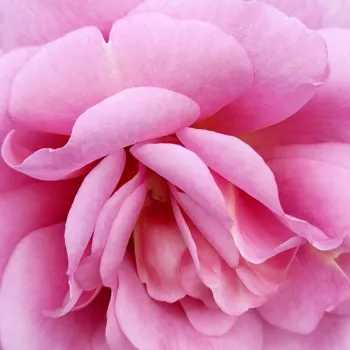
Mamiethalène – lilac flower-bed shrub rose – Massad
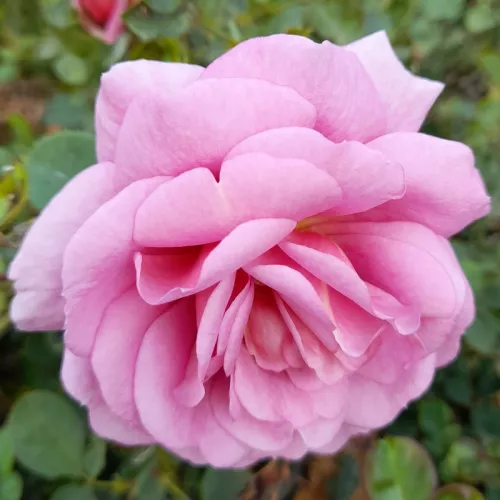
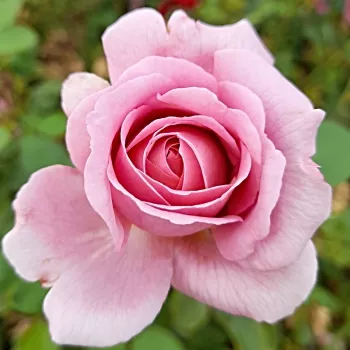
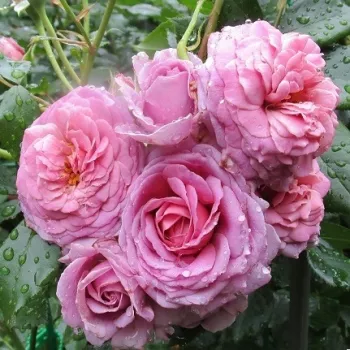
Step off the pavement and into post‑rain balance with Mamiethalène, a compact Provençelles® shrub rose that settles effortlessly into small London front gardens and rain‑aware urban plots, coping well with blustery, damp British weather and heavier soils. Its bushy, mid‑green foliage frames generous clusters of semi‑double blooms in shifting lilac, fuchsia and violet tones, giving your entrance or patio an elegant, “girly” softness without fuss. Designed as an own‑root shrub, it offers reassuring long‑term stability: if winter or pruning hit it hard, it simply regenerates from its own wood rather than relying on vulnerable grafts. In typical use you will see a quiet development arc – strong roots in the first year, increasingly confident shoots in the second, then full ornamental impact from year three – with reliable repeat flowering through summer and a calm, subtly scented fragrance that suits close‑up spaces by the front door.
Usage options
| Target area | Reasoning |
|---|
| Small London front garden border |
The compact, bushy habit and 75–105 cm height make Mamiethalène ideal for narrow front beds where you want generous colour without blocking light. Repeating lilac‑purple flowering keeps the entrance welcoming from early summer onwards for the time‑pressed homeowner. |
| Rainwater‑friendly planting with heavier soils |
Dense foliage and fibrous own‑root growth help this shrub knit into improved clay or loam around on‑street soakaways, where it copes with wet, windy spells common to coastal‑influenced, rainy parts of the UK, supporting low‑input planting schemes for the urban gardener. |
| Low‑maintenance family flower bed |
Medium disease resistance, moderate vigour and easy shaping mean routine deadheading and occasional plant protection are usually enough, giving a long‑lived, stable presence that does not outgrow typical family plots, suiting the busy parent. |
| Statement rose in a large container (40–50 L+) |
In a generous, well‑drained, peat‑free container of at least 40–50 litres, this own‑root shrub forms a sturdy, regenerating framework with repeating clusters of colour, an attractive choice for balconies and paved front yards valued by the city‑based beginner. |
| Season‑long colour focus near the front door |
Good repeat flowering, with a particularly abundant second flush, gives months of changing lilac and fuchsia tones against neat foliage, providing a soft, welcoming focal point without complex pruning, ideal for the style‑conscious visitor. |
| Textured, “girly” mixed border |
The semi‑double, cupped blooms and shifting violet‑rose palette pair beautifully with airy perennials, creating a romantic, feminine look that stays tidy and bushy rather than sprawling, a reliable backbone for the colour‑loving collector. |
| Long‑term structural rose in a small garden |
As an own‑root plant it regenerates well from the base, avoiding graft failures and giving a durable framework that can be refreshed by harder pruning when needed, supporting long‑range planning for the sustainability‑minded planner. |
| Entrance planting where strong scent is not desired |
The mild, pleasant fragrance sits discreetly in the background, so you enjoy visual impact and a sense of calm without overpowering perfume in tight spaces such as shared paths or porches, a subtle advantage for the fragrance‑sensitive neighbour. |
Styling ideas
- Provence‑Doorstep – Underplant Mamiethalène with lavender and silver thyme in a narrow strip by the front door, echoing Provençal colours while staying compact – ideal for terrace‑house owners.
- Rain‑Garden‑Charm – Combine with Brunnera macrophylla and ornamental grasses around a gravelled soakaway, letting the rose provide structured colour above moisture‑tolerant foliage – perfect for sustainable front gardens.
- Lilac‑Ribbon – Plant a low, repeating row along a path, interspersed with nepeta and soft pink geraniums, to create a feminine, child‑friendly edge – suited to family gardeners.
- Balcony‑Bouquet – Grow one plant in a 50‑litre peat‑free container with trailing sage and white bacopa for a long‑flowering feature on a balcony – good for busy beginners.
- Evening‑Glow – Pair with soft white clematis and pale salvias in a small border where dusk lighting picks up the lilac and violet petals – appealing to after‑work relaxers.
Technical cultivar profile
| Parameter | Data |
|---|
| Name and registration |
Shrub rose from the Les Provençelles® collection; registered as MASmatha and marketed as Mamiethalène Les Provençelles® MASmatha flower‑bed shrub rose for garden use. |
| Origin and breeding |
Bred by Dominique Massad for Pétales de Roses in Châtillon‑Saint‑Jean, France; introduced and registered in 2015 as a modern shrub suitable for ornamental beds and containers. |
| Growth and structural characteristics |
Bushy, well‑branched shrub reaching about 75–105 cm high and 60–85 cm wide, with dense, slightly glossy mid‑green foliage and moderate prickliness, ideal for compact front gardens. |
| Flower morphology |
Semi‑double, cupped blooms with 13–25 petals, borne in clusters on repeat‑flowering stems; flower size in the large range, providing good visibility without appearing coarse or ungainly. |
| Colour data and phenology |
Flowers open deep fuchsia with lilac‑magenta tones, then soften to pastel lavender‑lilac with silvery hints; colour lightens in strong sun but remains richer violet in cooler conditions. |
| Fragrance and aroma |
Mild, pleasant fragrance with a subtle background character rather than a strong perfume; suited to entrances and seating areas where a discreet scent is more comfortable. |
| Hip characteristics |
Limited hip formation expected due to semi‑double form; occasional small spherical orange‑red hips, around 8–12 mm across, may appear late in the season for added interest. |
| Resistance and winter hardiness |
Medium resistance to black spot, powdery mildew and rust; hardy to approximately −21 to −18 °C (RHS H7, Swedish zone 3, USDA 6b) with routine care in typical UK gardens. |
| Horticultural recommendations |
Best in full sun with well‑drained soil; space 40–80 cm depending on use, allow 4.2–4.8 plants/m² for mass effects; medium maintenance with occasional plant protection and regular watering in drought. |
Mamiethalène Les Provençelles® MASmatha offers compact, bushy growth, generous repeat flowering and long‑term own‑root resilience, making it a thoughtful choice for relaxed, enduring colour in small urban and family gardens.