MADAME MOREAU – pink historic moss rose - Moreau-Robert
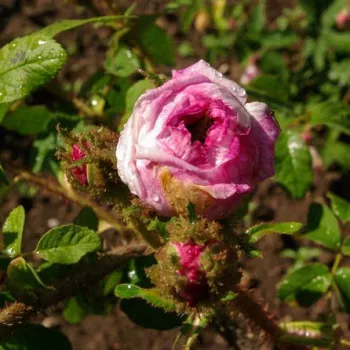
Step through your front gate and be greeted by fragrance and romantic, richly mossed buds: MADAME MOREAU is a classic 1870s moss shrub rose that brings historic charm to a small London terrace or family garden, while coping well with cool summers and typical British rain. Its broadly bushy habit makes an ideal focal point in a front border, and as an own‑root plant it settles in steadily for a long, dependable life with minimal fuss. Through the natural rhythm of roots, then shoots, then full garden impact over about three seasons, you gain a stable, mature shrub that is easy to shape and rejuvenate if ever cut back hard. Strong old‑rose scent, sophisticated deep pink tones and mossed buds together create the feeling of a secluded, rain‑fresh path right outside your door.
Usage options
| Target area |
Reasoning |
| Front garden focal shrub |
MADAME MOREAU forms an upright, broadly bushy shrub to about 120–190 cm, giving immediate vintage character beside a front path or doorway without complicated pruning, well suited to busy homeowners and beginners. |
| Rain‑friendly clay or chalk border |
Its medium disease resistance and tolerance of temperate, showery conditions make it a reassuring choice where heavy clay or chalk soils combine with frequent UK rainfall, appealing to sustainability‑minded gardeners. |
| Romantic “girly” rose corner |
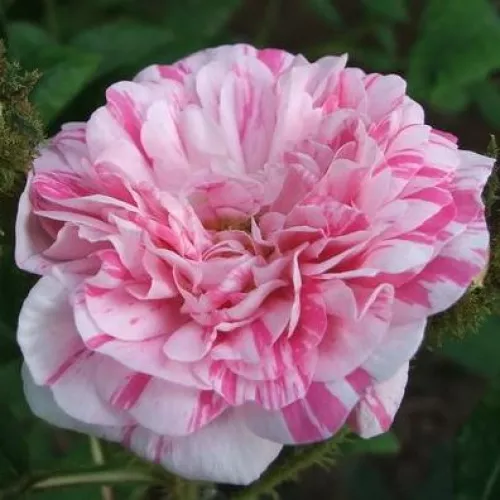
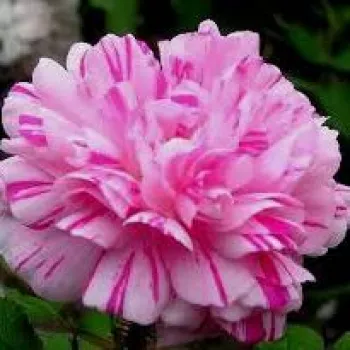
The rich pink, very full, cup‑shaped blooms and mossed buds create a soft, feminine mood in a compact front garden when underplanted with silvery foliage or soft grasses, ideal for those seeking a pretty, low‑effort retreat. |
| Own‑root long‑term specimen |
As an own‑root shrub it builds a permanent framework, regenerating reliably from the base after hard pruning or winter damage, suiting anyone who wants a once‑planted, long‑lived rose investment. |
| Low‑maintenance historic rose collection |
Flowering once in a concentrated flush, it needs only light shaping and deadheading, with medium maintenance overall, attractive for enthusiasts who enjoy heritage roses but prefer straightforward seasonal care. |
| Scented evening seating area |
The strong classic old‑rose fragrance is most effective near a bench or doorway, where a few well‑placed shrubs give maximum sensory reward for minimal input, perfect for fragrance‑loving urban residents. |
| Large container on terrace or patio |
In a 40–50 litre peat‑free container with steady rainwater irrigation, its upright, bushy habit and moderate height allow impactful, space‑efficient planting, well suited to balcony and small‑courtyard owners. |
| Roses with silver and herb companions |
Pairing this rose with artemisia, chives or other drought‑tolerant, aromatic companions supports healthier foliage and better air flow around the plant, fitting for design‑led but time‑pressed urban planters. |
Styling ideas
- Terrace‑front romance – Place MADAME MOREAU by a wrought‑iron gate with low lavender and nepeta edging for a pink, fragrant welcome – ideal for small‑space owners wanting classic charm.
- Rain‑kissed border – In a clay or chalk front garden, combine this shrub with ornamental grasses and drought‑tolerant herbs to handle downpipe run‑off gracefully – suited to eco‑conscious city gardeners.
- Heritage feature – Use a single specimen framed by brick or pale gravel and soft silver artemisia to highlight its historic mossed buds – perfect for collectors who value period character.
- Evening perfume nook – Plant near a bench or back door, with pale foxgloves and white campanula, so scent and colour gather at eye and nose level – appealing to fragrance‑focused households.
- Large‑pot statement – Grow in a 50‑litre container with peat‑free compost and underplant with chives for a textured, edible‑ornamental mix – great for balcony and patio gardeners.
Technical cultivar profile
| Property |
Data |
| Name and registration |
MADAME MOREAU is a historic moss shrub rose, also traded as Moreau‑Robert and exhibited as Mme. Moreau; a heritage cultivar within the Historical rose group, unregistered but long established. |
| Origin and breeding |
Bred in France around 1872 by Moreau‑Robert of Roseraie Moreau‑Robert, first introduced in 1876 via George Brunning of St. Kilda Nurseries in Australia, and maintained in heritage collections since. |
| Growth and structural characteristics |
Upright, broadly bushy shrub 120–190 cm tall and wide, with moderately dense, matt mid‑green foliage and dense prickling; weak self‑cleaning so spent blooms may require deadheading to stay neat. |
| Flower morphology |
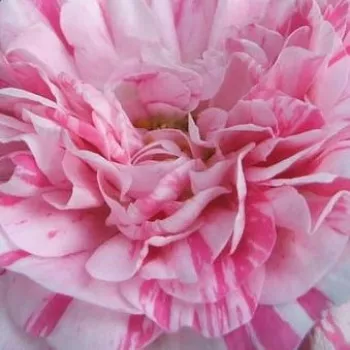
Large, very full, cup‑shaped blooms with over 40 petals, carried in clusters; once‑flowering with a strong early‑summer display, best enjoyed as a seasonal highlight in mixed borders and rose gardens. |
| Colour data and phenology |
Vibrant rich pink flowers with crimson veining; outer petals RHS 53A, inner 57B, with silvery‑pale edges as they age; colour lightens slightly in strong sun but remains attractively uniform in full bloom. |
| Fragrance and aroma |
Strong, classic old‑rose fragrance that is noticeable from a short distance, especially in still evening air; ideal near doors, windows or seating where the scent can be appreciated daily with little effort. |
| Hip characteristics |
Hip production is usually sparse due to the very double flowers, though occasional small spherical hips 10–15 mm across may form, colouring to an attractive reddish‑orange in late season on some shoots. |
| Resistance and winter hardiness |
Hardy to about −21 to −18 °C (RHS H7, USDA 6b, Swedish zone 3), with good resistance to powdery mildew and black spot, moderate rust resistance, and moderate tolerance of heat and short dry spells. |
| Horticultural recommendations |
Best in full sun with moist, well‑drained soil; medium maintenance, needing deadheading and periodic thinning; spacing 130–210 cm depending on use, with 0.5–0.6 plants/m² for mass or hedge planting. |
MADAME MOREAU offers strongly scented, once‑a‑year romantic pink flowering on a long‑lived, own‑root shrub that can be rejuvenated over time, making it a thoughtful choice for a lasting garden feature.