MADAME LOUIS LENS – white hybrid tea rose – Lens
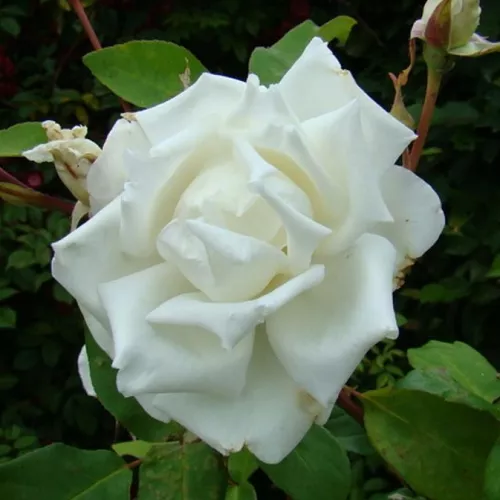
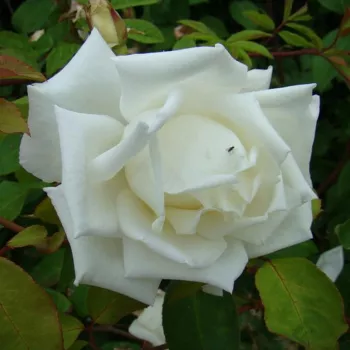
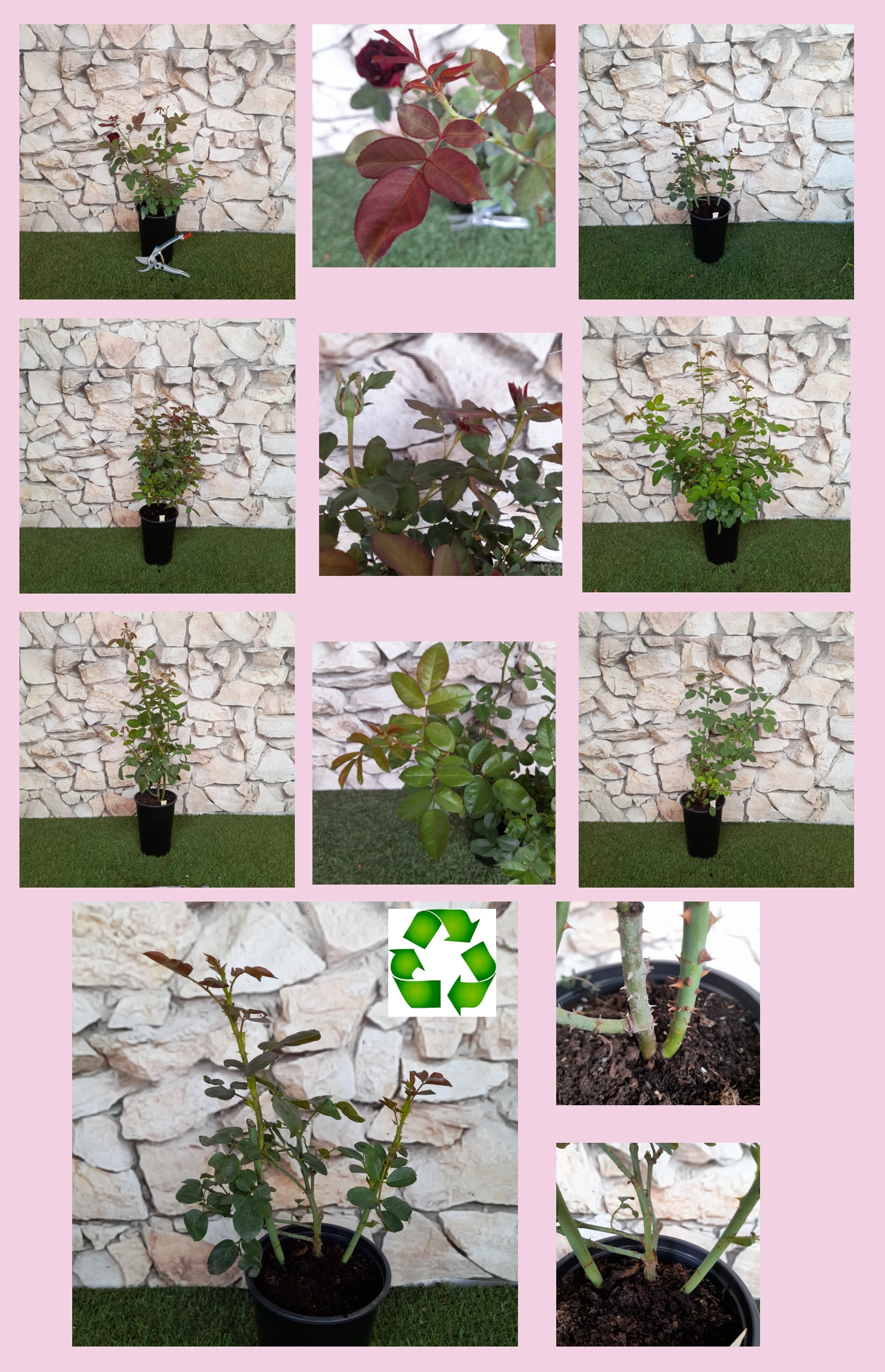
Step out after rain and meet a rose that brings balance, combining an upright, elegant habit with clean, snow‑white blooms that sit beautifully in small London front gardens. Easy-care by nature, this own-root shrub establishes steadily, coping reliably even where heavy clay soils need thoughtful drainage and regular rainwater collects around paths. Its flowers are classic, high‑centred hybrid teas with a very strong fragrance, ideal for cutting as well as for admiring from a doorstep bench. Planted in a peat‑free mix and watered from a butt, it offers a quietly sustainable choice for busy urban gardeners who do not want high‑input planting schemes. Disease‑resistant foliage holds its dark, matt green colour well, helping the plant keep its shape and ornamental value over many seasons. As an own‑root rose it matures patiently – first building roots, then putting on taller shoots, and by the third year rewarding you with full, reliable flowering. Long‑lived and genuinely practical, it suits compact plots, narrow borders and generous 40–50 litre containers where space is precious but you still want a touch of traditional romance.
Usage options
| Target area |
Reasoning |
| Terraced-house front garden focal point |
The tall, upright habit and XL, high‑centred white blooms create an immediate focal point beside a front door or bay window, with strong fragrance greeting you as you pass, ideal for busy urban gardeners |
| Low-maintenance family border |
Robust disease resistance and low intervention needs make this rose well suited to mixed borders where you want repeat flowering without regular spraying or complex pruning, perfect for time-poor beginners |
| Large container on balcony or patio (40–50 litres+) |
Planted in a generous peat‑free container, its upright structure and long, straight stems provide height and cut flowers while remaining easy to water with collected rain, appreciated by sustainability-minded owners |
| Cutting and exhibition corner |
The classic hybrid tea form, solitary XL blooms and long, straight stems make it an excellent garden source of elegant white cut flowers, attractive for home flower arrangers |
| Clay-soil city garden with rainwater collection |
Performs reliably in typical British gardens when planted with improved drainage in heavier ground, pairing well with water‑butt irrigation in wetter spells, reassuring for climate-aware householders |
| Long-term structural planting in family garden |
As an own-root plant it builds a stable framework that regenerates well after pruning, helping the shrub retain shape and flowering performance across many years, valued by long-term planners |
| Classic white-and-green scheme with perennials |
Snow‑white flowers stand out against dark foliage and combine elegantly with cool-toned companions such as lavender, nepeta or chives, appealing to style-conscious gardeners |
| Fragrant evening seating area |
The very strongly scented blooms release perfume you can enjoy from a small terrace bench or path edge, bringing sensory richness without demanding maintenance, perfect for relaxation-seeking residents |
Styling ideas
- Doorstep Classic – Position one or three plants by a front path with low lavender or nepeta at their feet for a calm white-and-green entrance – ideal for small urban front-garden owners
- Balcony Column – Grow a single plant in a 50 litre pot with a simple underplanting of thyme or chives to soften the rim – suited to balcony gardeners wanting height without clutter
- White Border Spine – Use as repeating vertical accents through a border, interplanted with sage and ornamental grasses for a restrained, modern look – good for design-focused homeowners
- Cutting Corner – Dedicate a sunny strip to three to five plants, allowing easy access for harvesting long stems for vases indoors – perfect for home florists
- Evening Retreat – Place near a small terrace or bench, backed by dark foliage shrubs so the fragrant white blooms glow at dusk – ideal for those creating a calm seating nook
Technical cultivar profile
| Characteristic |
Data |
| Name and registration |
Hybrid tea rose marketed as MADAME LOUIS LENS, also known for exhibition purposes as ‘White Briarcliff’; unregistered cultivar within the hybrid tea commercial group. |
| Origin and breeding |
Bred by Victor Lens at Lens Nurseries, Belgium, from complex ‘Briarcliff’ and ‘Kaiserin Auguste Viktoria’ parentage; introduced in 1932 via Jackson & Perkins and Lens Roses. |
| Growth and structural characteristics |
Upright hybrid tea reaching around 120–160 cm in height with a 50–70 cm spread; dense, dark matt foliage and moderate prickles create a neat yet traditional bush form. |
| Flower morphology |
Large, solitary, high‑centred double blooms with 26–39 petals in classic cut‑rose style; remontant habit ensures a generous second flush and reliable repeat through the season. |
| Colour data and phenology |
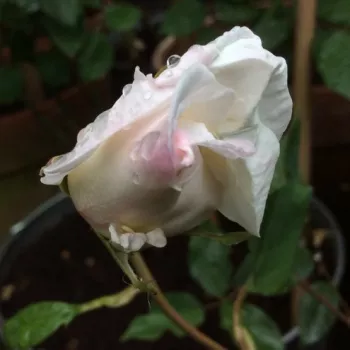
Uniform cool-toned white from bud to fall, coded ARS W, RHS NN155D; buds slightly greenish‑white, opening to crystal-clear snow‑white that retains clarity without yellowing. |
| Fragrance and aroma |
Very strongly scented flowers with long-lasting perfume; precise fragrance notes are not documented, but intensity is sufficient for evening enjoyment and cutting for indoor display. |
| Hip characteristics |
Occasionally sets small, spherical orange‑red hips about 8–12 mm in diameter; hips add modest seasonal interest without significantly affecting repeat flowering performance. |
| Resistance and winter hardiness |
Good overall disease resistance, with noted resilience to black spot, powdery mildew and rust; winter hardy to approximately −15 to −12 °C, aligning with RHS H6, USDA 7b. |
| Horticultural recommendations |
Plant in well-prepared soil with improved drainage, spacing 50–100 cm depending on use; suitable for mass planting, hedging or specimen roles, and for large containers of 40–50 litres or more. |
MADAME LOUIS LENS offers very strong fragrance, reliable disease resistance and long-lived own-root growth, making it a thoughtful choice for those planning a calm, enduring garden focus.