MADAME KNORR – pink historic Portland rose – Verdier
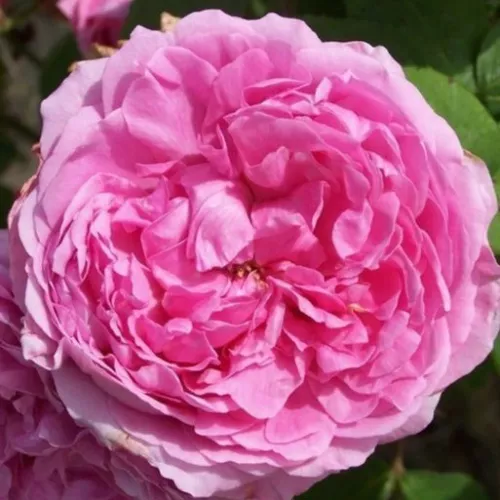
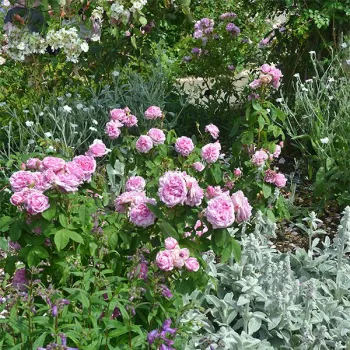
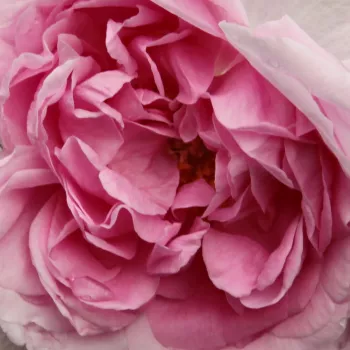
Step onto your front path after rain and breathe in the fragrance of ‘Madame Knorr’, a compact historic Portland rose that feels perfectly at home in a small London front garden. Its bushy, balanced growth and dense grey‑green foliage create a calm backdrop for cup‑shaped blooms that open from deep buds to soft pastel pink, echoing a gentle heritage mood. Bred in 1855 yet still awarded the RHS AGM, it offers reassuringly modern resilience against common rose diseases, supporting reliable flowering even where summers are cool and damp with frequent showers and heavy soils needing improved drainage. Planted as an own‑root shrub in your border or a generous 40–50 litre container, it will gradually build a long‑lived framework, with roots establishing first, then stronger top growth, and by the third year a settled, full display. Low routine care, good winter hardiness and moderate size make it easy to fit into everyday family life, whether you favour a soft, romantic look or a more pared‑back, sustainable street‑side scheme, and its dependable presence helps your garden feel quietly grounded over time.
Usage options
| Target area |
Reasoning |
| Small front garden statement shrub |
The compact, bushy habit and 90–150 cm height suit a modest terraced‑house front, giving structure without overwhelming the space. Reliable flowering and low maintenance keep kerb appeal high with little effort for the busy urban gardener. |
| Low‑intervention heritage border |
Strong resistance to black spot, powdery mildew and rust means fewer sprays and less worry in humid British summers, so you can enjoy a traditional rose border with minimal intervention as a time‑pressed homeowner. |
| Long‑lived own‑root specimen |
As an own‑root plant it regenerates well from the base, maintaining shape and flowering even after harder pruning or weather setbacks, offering stable ornamental value over many years for the lifespan‑minded gardener. |
| Rain‑aware, clay‑soil planting |
The dense, bushy framework copes well once established in improved heavy clay, especially where front gardens double as sponge‑like spaces for rainfall in areas with frequent showers and heavier soils needing thoughtful drainage for the sustainability‑focused planter. |
| Large container on balcony or patio |
Its moderate spread and height work well in a 40–50 litre pot, creating a fragrant, upright feature that is easy to water and tend from a balcony or paved yard, suiting the space‑conscious city dweller. |
| Strongly scented seating area |
The full, classic rose aroma is strong enough to notice as you pass or sit nearby, especially after rain, bringing a sense of calm and tradition that appeals to the fragrance‑loving beginner. |
| Part‑shaded side path or courtyard |
Good performance in partial shade allows planting where sun is limited to a few hours, so narrow side gardens or east‑facing frontages can still host a reliable flowering shrub for the urban terrace owner. |
| Cut‑flower and indoor nostalgia |
Large, very full, cup‑shaped blooms in softening shades of pink make characterful, nostalgic cut flowers, bringing heritage charm indoors with each stem for the home‑styling enthusiast. |
Styling ideas
- Victorian – Plant as a central shrub in a small front bed, underplanted with nepeta and low sedums for a soft, old‑town frontage – ideal for lovers of period London streets.
- Minimalist – Use a single plant in a square 50 litre container on gravel, letting its tidy form and grey‑green foliage add calm structure – suited to contemporary urban courtyards.
- Cottage – Combine with catmint, lavender and airy perennials in a loose border for a long‑season, storybook feel – perfect for families wanting informal charm with low effort.
- Heritage – Line a short path with widely spaced shrubs, using groundcovers between to absorb rainwater and soften hard surfacing – for gardeners creating sustainable, traditional schemes.
- Sanctuary – Position near a bench in a part‑shaded corner, framing it with shade‑tolerant perennials, to make a quietly fragrant retreat – right for busy people seeking a simple place to unwind.
Technical cultivar profile
| Parameter |
Data |
| Name and registration |
‘Madame Knorr’ is a historic Portland shrub rose grown as a heritage variety; it is an unregistered cultivar with usage as an exhibition shrub rose under the same trade name. |
| Origin and breeding |
Bred by Philippe‑Victor Verdier and introduced in France in 1855 by the Verdier nursery, this historic rose represents classic nineteenth‑century Parisian breeding for remontant pink garden shrubs. |
| Awards and recognition |
Holds the RHS Award of Garden Merit (1993), indicating reliable performance, sound health and good garden value under typical UK conditions when grown with standard care and siting. |
| Growth and structural characteristics |
Bushy shrub reaching about 90–150 cm in height and 70–120 cm in spread, with dense, matt grey‑green foliage and moderate prickliness, forming a full yet manageable framework for small gardens. |
| Flower morphology |
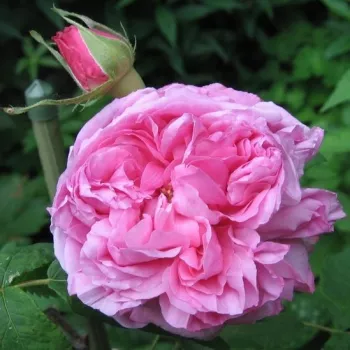
Large, very full, cup‑shaped blooms with more than 40 petals are borne mainly singly on stems; remontant habit provides repeat flushes, though the second flowering is usually less abundant. |
| Colour data and phenology |
Buds open deep pink (RHS 65C–65D), then a fresh mid‑pink which gradually softens to pastel pink with a pearlescent centre; colour retention is moderate, with gentle fading rather than harsh loss. |
| Fragrance and aroma |
Produces a strong, classic old rose fragrance with full, rounded character; scent is readily noticeable near the plant, especially in still, humid air and after rainfall around seating or paths. |
| Hip characteristics |
Occasionally forms small, spherical orange‑red hips, about 9–15 mm in diameter; hips are not especially numerous but add discreet seasonal interest and historical character in late season. |
| Resistance and winter hardiness |
Shows good resistance to powdery mildew, black spot and rust; winter hardy approximately to −21 to −18 °C (RHS H7, USDA 6b, Swedish zone 3) under normal garden conditions. |
| Horticultural recommendations |
Suited to flower beds, specimen use, hedging and parks; plant 80–150 cm apart depending on effect, in improved soil with regular watering during prolonged drought and only light ongoing maintenance. |
MADAME KNORR offers a compact, fragrant, disease‑resistant heritage shrub on its own roots, building long‑lived structure and steady flowering for gardeners who appreciate enduring, low‑effort roses; consider it where space and time are both limited.