MADAME GRÉGOIRE STAECHELIN – pink rambler climbing rose – Dot
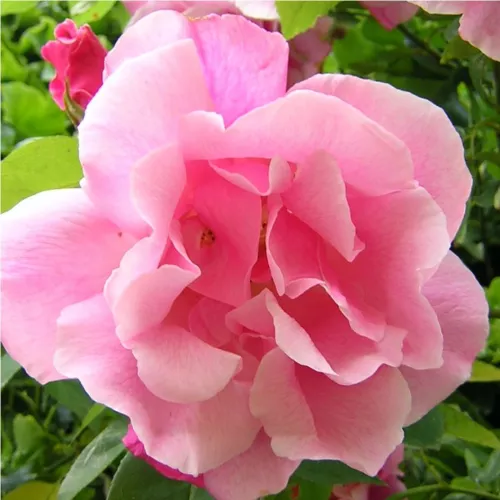
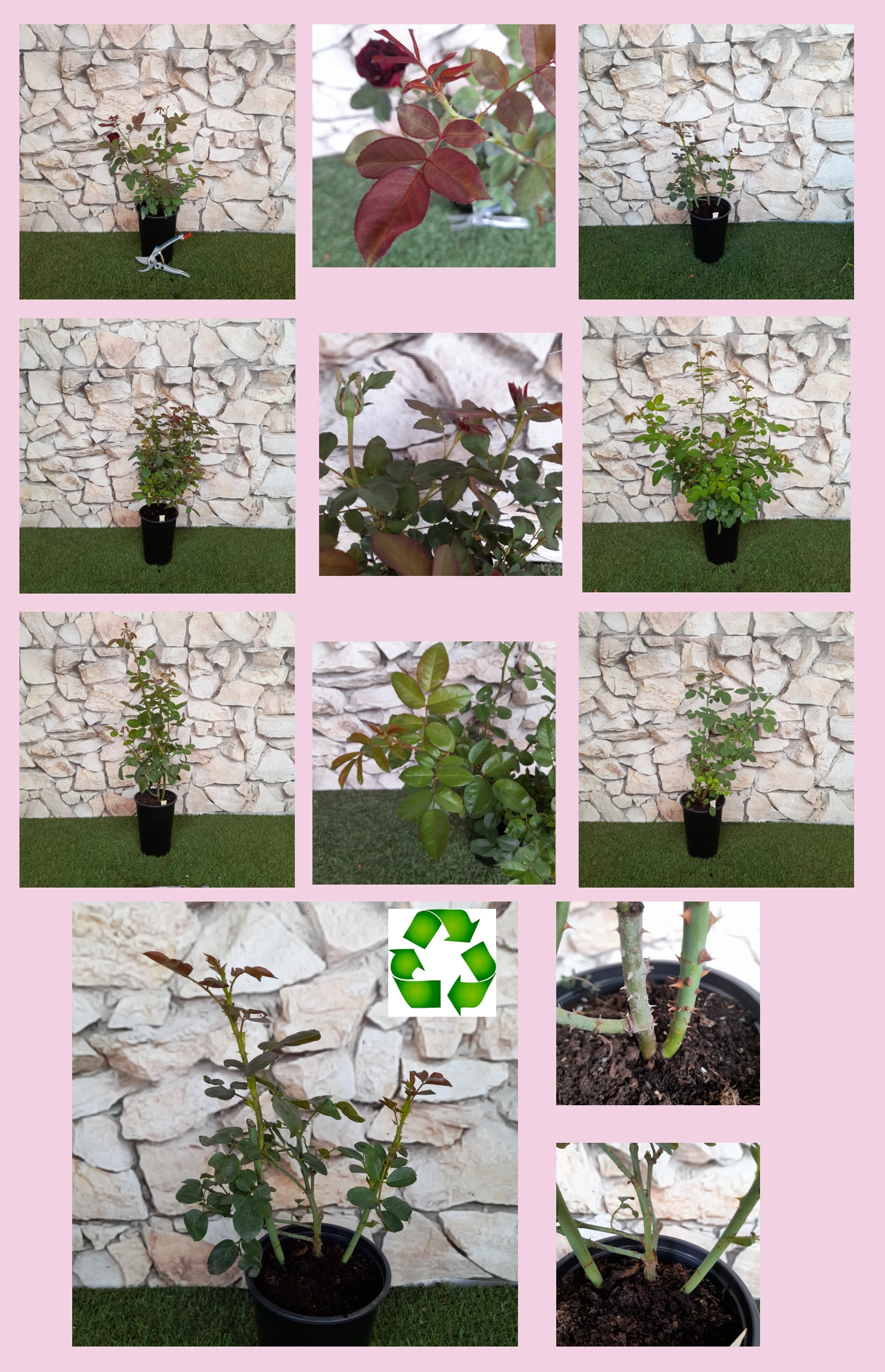
Step out after rain and be greeted by fragrance, soft pink clusters and light-catching foliage as Madame Grégoire Staechelin clothes walls, arches or old trees with an effortless, once‑a‑year spectacle. This historic rambler’s semi‑double blooms open wide for visiting bees, while its own‑root strength supports a long, stable lifespan in typical UK gardens, even where heavy clay needs thoughtful drainage and wet, windy spells test less resilient climbers. After flowering, pear‑shaped autumn hips add subtle structure and seasonal colour, keeping your front garden interesting with minimal intervention. Planted young in a 2‑litre pot, it focuses first on roots, then frame, then full display – a natural three‑year rhythm that rewards patient, low‑effort gardeners.
Usage options
| Target area | Reasoning |
|---|
| Front garden house wall |
Perfect for softening brick or render with a single, dramatic flush of scented pink flowers, while own‑root resilience supports a genuinely long‑lived planting that matures gracefully with the house, ideal for the patient, time‑pressed homeowner. |
| Arch or pergola over a path |
Its long, flexible canes dress arches and pergolas in cascading clusters, creating that narrow, post‑rain walkway of fragrance without fussy pruning, suiting those who want immersive impact from a rose that largely looks after itself, especially busy beginners. |
| Training into a small tree |
Madame Grégoire Staechelin can be threaded through light‑canopied trees, adding romantic blossom and hips without competing heavily at ground level, so you gain vertical drama and wildlife cover with little extra work, attractive for wildlife‑minded families. |
| Rainwater‑friendly, low‑lawn front garden |
Suited to deeper, improved planting pockets, it partners well with permeable gravel and underplanting, so you can keep hard surfaces minimal while still greening the frontage in a way that copes with wind, rain and free‑draining soils, reassuring for eco‑aware urbanites. |
| Large container on balcony or terrace |
In a very large container (at least 40–50 litres) with a sturdy support, this rambler offers vertical screening and seasonal scent without demanding intricate pruning, fitting neatly into compact London terraces where every square metre counts, helpful for space‑limited renters. |
| Cut flowers for nostalgic arrangements |
The medium, semi‑double blooms with soft colour transitions and a sweet, noticeable scent lend themselves to informal vases, letting you bring that old‑garden mood indoors during its main flush without relying on commercial floristry, appealing to creative hobbyists. |
| Pollinator‑friendly vertical habitat |
The open, semi‑double form with accessible pollen and the autumn hips make this climber a good vertical resource for insects and birds where ground space is tight, supporting nature‑friendly gardening in even the smallest plots, valued by environmentally conscious gardeners. |
| Clay or chalky boundaries with exposure |
Once established, its good heat and moderate drought tolerance help it cope with heavier soils and exposed spots when combined with sensible planting and mulching, easing worries about coastal winds and wet spells for lower‑maintenance, resilient planting, important to cautious newcomers. |
Styling ideas
- Romantic – Drape along a black wrought‑iron railing with lavender and nepeta at the base for a soft, “girly” London terrace entrance – ideal for homeowners wanting impact from a single seasonal show.
- Woodland – Thread through a light‑canopied birch, with ferns and shade‑tolerant geraniums below, letting flowers and hips hover above a green floor – suited to gardeners favouring naturalistic, low‑fuss structure.
- Cottage – Pair on a brick wall with catmint and old‑fashioned pinks for summer scent, letting the rose provide height while perennials give colour before and after – perfect for nostalgic, small‑garden stylists.
- Contemporary – Grow against a pale render wall with upright grasses and sage in a gravel strip, using the rose as a soft, seasonal accent amid clean lines – good for design‑led urban front gardens.
- Wildlife – Train along a fence with ivy and dogwood ‘Midwinter Fire’, combining blossom, cover and hips with winter stems for year‑round interest – attractive for families keen to support pollinators and birds.
Technical cultivar profile
| Property | Data |
|---|
| Name and registration |
Madame Grégoire Staechelin is a large-flowered pink rambler in the climbing rose group, grown here on its own roots; an unregistered 1927 cultivar also known under the same exhibition name. |
| Origin and breeding |
Bred by Pedro Dot i Martínez in Spain from ‘Frau Karl Druschki’ × ‘Château de Clos-Vougeot’, introduced in 1927 by Viveros Dot, combining robust vigour with refined flower form and colour. |
| Awards and recognition |
Awarded Gold Medal at Bagatelle, Paris (1927), the American Rose Society John Cook Medal (1929) and the RHS Award of Garden Merit (1993), reflecting long-term garden and exhibition value. |
| Growth and structural characteristics |
Strong climbing rambler reaching about 5–7.5 m high with a 2.4–3.8 m spread, moderately thorny, with dense, glossy light-green foliage that clothes supports well once mature and established. |
| Flower morphology |
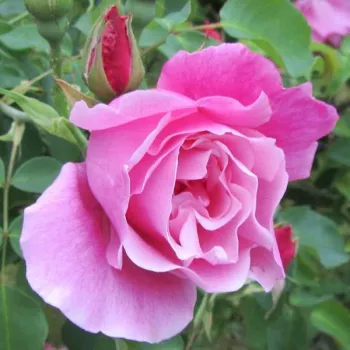
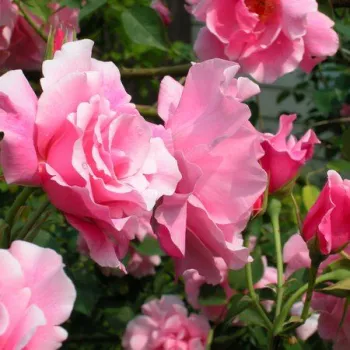
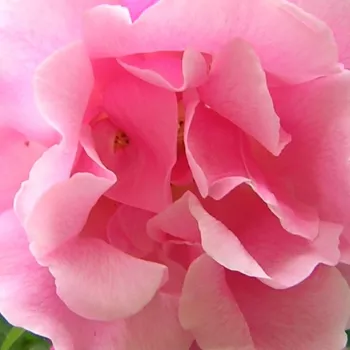
Semi-double, cup-shaped, cluster-flowering blooms with around 13–25 petals, medium-sized at roughly 4–7 cm, carried in graceful sprays; non-remontant, producing one generous main flush per season. |
| Colour data and phenology |
Vivid clear pink with delicate streaking; buds open deep crimson-pink, then soften through mid-pink to pastel shades with creamy undertones and silvery edges, giving a multi-tonal display as flowers age. |
| Fragrance and aroma |
Soft yet clearly noticeable sweet-floral scent, evident in still air and after rain; the semi-double, open flowers offer accessible stamens, contributing both aroma and partial pollinator appeal in season. |
| Hip characteristics |
Produces pear-shaped orange-red hips about 22–34 mm across in moderate numbers, decorating the plant into autumn and offering additional wildlife interest and seasonal structure after flowering. |
| Resistance and winter hardiness |
Rated to around −21 to −18 °C (RHS H7, USDA 6b, Swedish zone 3), with moderate tolerance to black spot, mildew and rust, and good heat and moderate drought tolerance when fully established. |
| Horticultural recommendations |
Suited to walls, fences, arches, pergolas or small trees; plant roughly 1.8–3.3 m apart depending on effect. Prefers improved soil with good drainage, with occasional pruning and health checks as needed. |
Madame Grégoire Staechelin offers romantic scented clusters, wildlife-friendly hips and a long, steady own-root life in UK gardens; consider it when you want one climber to age beautifully with your space.