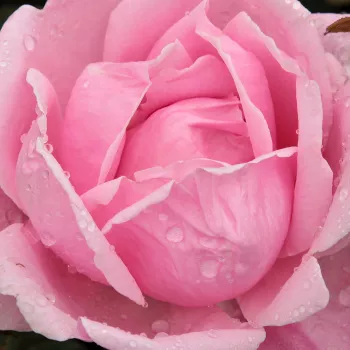
MADAME CAROLINE TESTOUT – pink hybrid tea rose - Pernet-Ducher
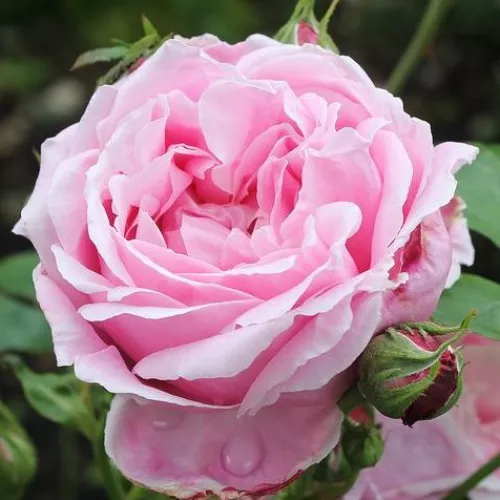
Step out of your door after rain and meet the poised, upright elegance of heritage style in ‘Madame Caroline Testout’, an 1890 hybrid tea reimagined in a modern own-root, 2‑litre container for easy planting and long life in small urban spaces where drainage and reliable performance really matter. Large, classic, cup-shaped blooms in shimmering mid‑pink with a silvery sheen open repeatedly through the season, offering abundance of colour on dense, mid‑green foliage that holds well in typical British summers. Bred for garden strength rather than fuss, this variety combines resilience against common rose diseases with low routine care: simple pruning, deadheading and steady watering in dry spells are usually all you need. As an own-root rose it builds a durable framework that regenerates well from the base, giving you a reassuring long‑term investment that quietly matures from roots in year one to fuller shoots in year two and confident ornamental presence in year three, creating a sense of balance in compact, rainwater‑friendly front gardens. Its generous flower size and long, strong fragrance make it an excellent cut rose for the house, while its neat, upright habit allows it to slip easily into narrow terraces, container displays of 40–50 litres or more, or mixed borders where you prefer dependable simplicity and a sustainable, long‑lived planting scheme that still feels distinctly romantic.
Usage options
| Target area | Reasoning |
|---|
| London terrace front garden hedge |
The upright, moderately tall habit and dense mid‑green foliage lend themselves to a low, formal rose hedge that frames a narrow front garden without overwhelming the space. Spacing at 55–65 cm lets plants knit together into a soft, pink line, and own‑root plants recover well from occasional harder pruning or accidental damage, supporting a long-lived structure for urban beginners. |
| Single specimen near the front door |
As a solitary hybrid tea around 1–1.4 m high, it creates a clear focal point where you pass daily, with large, goblet blooms and strong scent providing reliable impact from early summer onwards. The long life and ability to regenerate from the base mean that, once established, it will greet you for many years with minimal intervention, suiting busy homeowners. |
| Mixed flowerbed with perennials |
Planted at about 1 m from neighbours, its clear vertical stems and sizeable blooms punctuate looser perennials such as nepeta, sage or ornamental grasses, giving structure without appearing rigid. The robust disease resistance supports a healthier, greener backdrop through wet spells and humid periods in the UK, keeping the border attractive for time-poor gardeners. |
| Cutting patch or cutting corner |
The large, double, long-stemmed flowers have classic hybrid tea form and a strong, long-lasting scent, ideal for vases and arrangements. Regular cutting doubles as deadheading, encouraging repeat flowering and spreading the pleasure of the rose indoors, while the steady own-root framework supports repeat cropping for home flower enthusiasts. |
| Rainwater-managed front garden bed |
This rose responds well to consistent moisture yet dislikes waterlogging, so pairing it with free-draining soil improvements and nearby gravelled swales lets you slow and sink rainwater without leaving roots standing wet. The reliable disease resistance helps it stay clean and leafy even in wetter, windier British seasons for sustainability-minded owners. |
| Large patio container (40–50 litres+) |
In a generously sized, at least 40–50 litre container with good drainage, its upright habit and plentiful blooms deliver height and colour on balconies or paved yards where soil access is limited. Own-root vigour allows you to refresh compost over the years while the plant remains, supporting a long-lived, movable feature for compact-space residents. |
| Traditional rose-and-lavender border |
The pastel pink tones and silvery sheen of the flowers pair naturally with lavender, catmint or low sage, creating a calm, balanced colour palette that feels both traditional and contemporary. The rose’s height lifts above these companions, while their aromatic foliage helps underline a gentle sensory theme for romantic stylists. |
| Small park or communal garden planting |
Low maintenance needs and good resistance to powdery mildew and black spot make this cultivar suitable for lightly managed communal areas where intensive care is unrealistic. Regular annual pruning and occasional deadheading are sufficient to keep a presentable, flowering display, offering long-term value for shared-space planners. |
Styling ideas
- Parisian – Underplant with lavender and soft grey foliage to echo its French fashion-salon heritage – ideal for terrace-front gardeners seeking understated elegance.
- Pastel – Combine with white gaura and pale salvia to create a light, airy border where the pink blooms float above – suited to beginners wanting gentle, forgiving colour.
- Classic – Plant in a trio with nepeta edging and a gravel path to showcase its hybrid tea form and fragrance – perfect for those who love traditional rose gardens.
- Cottage – Weave among airy perennials like verbena and alyssum for a relaxed, romantic feel with a clear vertical accent – appealing to urban gardeners softening hard landscaping.
- Formal – Line a straight path with evenly spaced plants and low box or thyme edging to create a refined approach – for homeowners aiming at a smart, low-fuss entrance.
Technical cultivar profile
| Characteristic | Data |
|---|
| Name and registration |
Hybrid tea rose historically known as ‘Madame Caroline Testout’, used as a garden and exhibition variety; unregistered cultivar name but stable in trade, verified for authenticity for reliable performance. |
| Origin and breeding |
Bred by Joseph Pernet-Ducher, Lyon, France, from ‘Madame de Tartas’ × ‘Lady Mary Fitzwilliam’; introduced by Pernet-Ducher in 1890 and now supplied on its own roots for garden longevity. |
| Growth and structural characteristics |
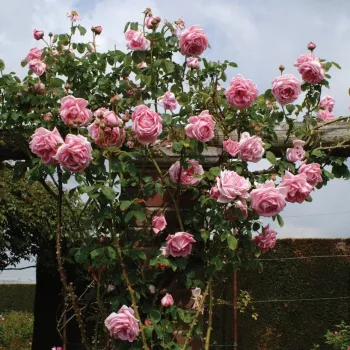
Upright shrub reaching about 100–140 cm high and 70–110 cm wide, with dense, slightly glossy mid‑green foliage and moderate prickliness; forms a clear vertical accent suited to hedging and specimens. |
| Flower morphology |
Large, double, cup to goblet-shaped flowers on mainly solitary stems, with approximately 26–39 petals; remontant habit gives a generous second flush when deadheaded or regularly cut for indoor use. |
| Colour data and phenology |
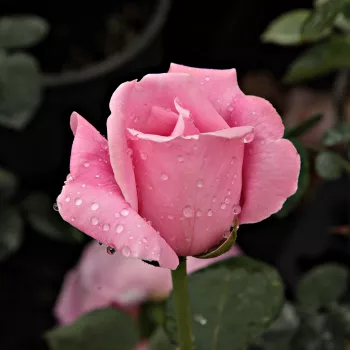
Medium pink blooms with silky sheen; buds deep vivid pink, opening to uniform mid‑pink with subtle silvery edges, then fading to soft pastel pink, holding colour best in cooler, less intense sunlight. |
| Fragrance and aroma |
Strong, long-lasting scent typical of classic hybrid teas; fragrance persists well on the plant and in the vase, making it particularly suitable for planting where flowers can be enjoyed at close quarters. |
| Hip characteristics |
Produces relatively few hips due to double flowers; where formed, they are small, spherical, bright red, around 8–12 mm diameter, offering a subtle late-season decorative touch without heavy seeding. |
| Resistance and winter hardiness |
Good resistance to black spot and powdery mildew, with moderate rust sensitivity; fully hardy to approximately -26 to -23 °C (RHS H7, USDA 5b), coping well with typical UK winters in most regions. |
| Horticultural recommendations |
Best in full sun with well-drained but moisture-retentive soil; water regularly in dry spells, deadhead for repeat bloom, and prune in late winter; plant 55–100 cm apart depending on hedge, mass or specimen use. |
‘Madame Caroline Testout’ offers reliable disease resistance, fragrant repeat flowering and an upright habit in a durable own-root form, making it a thoughtful long-term choice for front gardens and containers you may wish to enjoy for years.