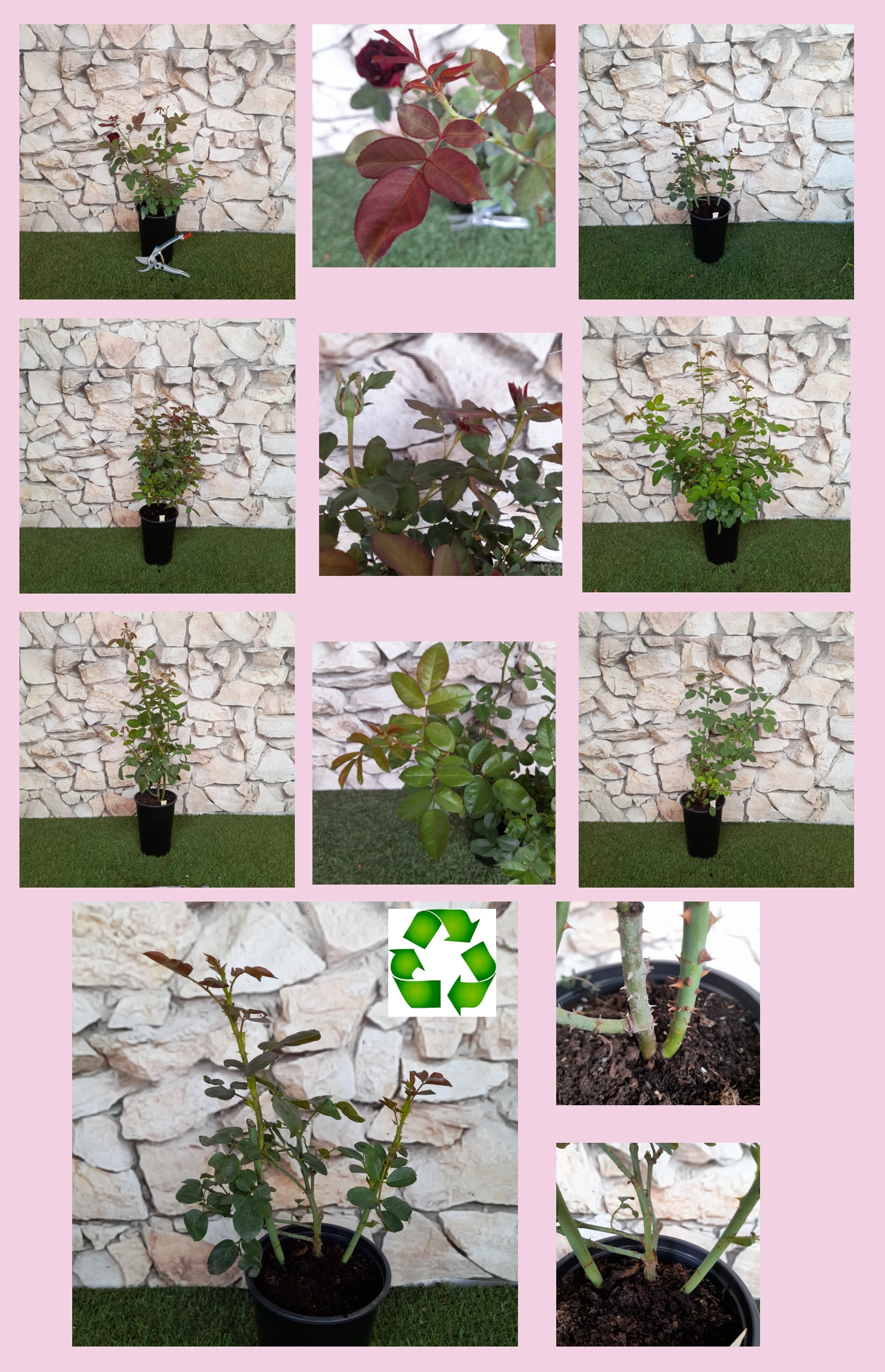
LOVE LETTER – cream-white bedding floribunda rose – Lens
Step through your front gate to a drift of cream blooms that sit lightly above dark green foliage, a quietly romantic welcome that suits compact, rain-aware city plots and coastal gardens where wind and showers are frequent companions, yet this floribunda stays reassuringly reliable. Bred by Louis Lens, LOVE LETTER combines steady repeat flowering with dense, upright structure, offering a calm backdrop for everyday family life without demanding constant attention. As an own-root rose it settles gently, building roots in year one, strong shoots in year two and full ornamental impact by year three, so you enjoy lasting balance in a small space. Its semi-double clusters give a soft, exhibition-grade bedding look that also cuts well for the house, while low maintenance and solid disease resistance make it a reassuring choice if you are short on time but still want a garden that feels thoughtfully curated.
Usage options
| Target area | Reasoning |
|---|
| Front garden flower bed |
The compact, upright habit and dense foliage create a neat, legible planting line along paths or low fences, with cream-white clusters softening brickwork while remaining easy to keep in shape for the time-pressed homeowner. |
| Small mixed border in family garden |
Season-long repeat flowering provides reliable colour between perennials, and own-root stamina means clumps thicken steadily rather than exhausting, supporting low-intervention borders for the relaxed hobby-gardener. |
| Rainwater-conscious urban planting strip |
Planted into improved heavy soil with good drainage, its strong root system copes well with typical street-side run-off patterns, bringing stable structure and flower cover for the sustainably minded city-dweller. |
| Balcony or patio container (40–50 L) |
A single shrub in a 40–50 litre pot delivers a softly formal focal point; own-root resilience makes recovery from occasional drying or replanting more forgiving for the busy balcony-owner. |
| Low informal hedge |
Close planting along a boundary creates a low, cream-flowered ribbon; clusters repeat through summer with limited deadheading, ideal where you want visual order without meticulous pruning as a modern gardener. |
| Cutting patch for arrangements |
Long, upright stems and exhibition-quality clusters cut cleanly for vases, with the pastel lemon-centred cream blending easily into neutral interiors appreciated by the style-conscious arranger. |
| Coastal or wind-exposed site |
Its relatively low, bushy build and strong framework withstand blustery, wet conditions, keeping flowers presentable without staking, suiting exposed plots tended by a practical coastal-resident. |
| Low-maintenance “girly” front garden scheme |
The romantic colour and soft cups read as gently feminine without being fussy, while good disease resistance limits spraying and complex care for the design-aware yet time-poor beginner. |
Styling ideas
- Romantic-Entry – Line a short front path with LOVE LETTER and low lavender, echoing cottage charm in a compact London terrace – ideal for urban homeowners wanting graceful order.
- Cream-Cloud – Mass-plant three to five bushes in a square bed with nepeta at the base, creating a floating cushion of cream above blue haze – for relaxed family gardens.
- Balcony-Focus – Grow a single plant in a 50 L clay pot with trailing thyme around the rim, forming a calm focal point – perfect for small patios and balconies.
- Pastel-Border – Mix with pale pink campanulas and soft grasses to soften fencing, using the rose as repeating structure – suited to those seeking gentle, low-fuss elegance.
- Formal-Stripe – Create a low edging row with clipped rosemary behind, pairing tidy rose mounds with evergreen texture – for gardeners who prefer clean, structured lines.
Technical cultivar profile
| Parameter | Data |
|---|
| Name and registration |
Floribunda bed rose; registered as LENpiro, marketed as LOVE LETTER flower bed rose LENpiro; ARS exhibition name Love Letter®, floribunda exhibition and cut-flower category. |
| Origin and breeding |
Bred by Louis Lens in Belgium from ‘Pink Parfait’ × ‘Rosenelfe’; breeding year 1977, registered 1979, introduced 1980 by Lens Roses as a reliable garden and exhibition floribunda. |
| Awards and recognition |
Recognised early for ornamental quality, receiving Gold and Silver Medals at the 1979 Kortrijk/Courtrai rose trials, confirming its dependable bedding and show performance. |
| Growth and structural characteristics |
Compact, upright shrub reaching about 60–85 cm tall and 40–55 cm wide; moderately thorny, with dense, slightly glossy dark green foliage giving a full, well-covered plant silhouette. |
| Flower morphology |
Semi-double, cup-shaped blooms of 17–25 petals carried in clusters; large-flowered floribunda type with strong remontancy, giving a generous second flush and further repeats in suitable conditions. |
| Colour data and phenology |
Cream-white petals with a pastel lemon-yellow centre; buds show a translucent yellow tinge, colour intensifying in cool weather and fading to nearly uniform cream in warmer periods. |
| Fragrance and aroma |
Very light, barely perceptible rosy fragrance, more noticeable at close range than in the wider garden; chosen primarily for visual impact and flowering rhythm rather than scent. |
| Hip characteristics |
Sparse hip set; small spherical orange-red hips about 6–9 mm in diameter, appearing only occasionally and rarely dominating the plant’s overall ornamental effect in typical summer pruning regimes. |
| Resistance and winter hardiness |
Rated H7, hardy to approximately –21 to –18 °C; good resistance reported to black spot, powdery mildew and rust, supporting low-input care in average British garden conditions. |
| Horticultural recommendations |
Best in full sun with improved, well-drained soil; spacing 25–50 cm depending on hedge or specimen use, 10–12 plants/m² for mass bedding; suitable for beds, borders, containers and cutting. |
LOVE LETTER Flower bed rose LENpiro offers compact, repeat-flowering elegance with robust health and enduring own-root vigour, a thoughtful choice if you seek lasting structure and gentle colour in your garden.