LOUISE ODIER – pink historic Bourbon rose - Margottin
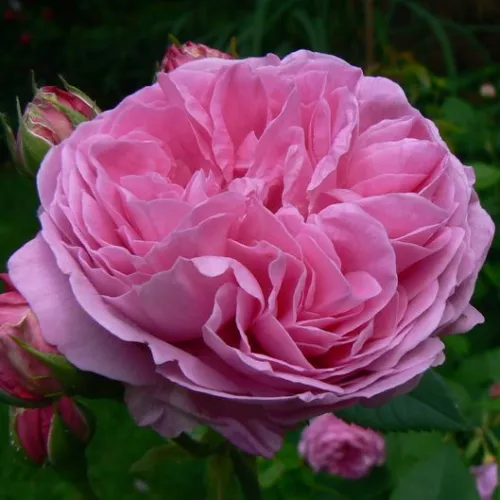
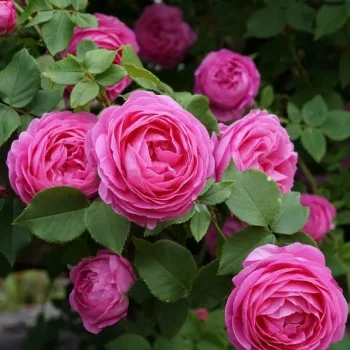
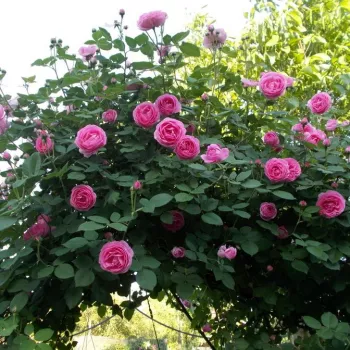
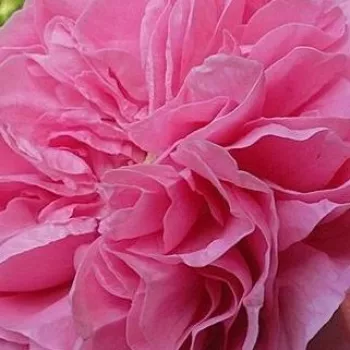
Stepping out to rain‑washed air, you meet Louise Odier as a tall, bushy presence that fits effortlessly into a London terrace front garden, even where drainage is challenged by heavier soils and regular showers soften the ground. This classic Bourbon rose offers richly fragrant, very full rosette blooms in warm raspberry‑pink tones, repeating generously through summer for an easy, quietly romantic display. On its own roots it is bred for longevity and steady recovery if pruned back or weather‑damaged, requiring only moderate care to keep a balanced, upright structure. Over time the plant matures from establishing roots in the first year, through more confident shoots in the second, to full flowering presence by the third, giving your small city garden a sustainable, long‑lived focal point with minimal fuss.
Usage options
| Target area |
Reasoning |
| Front‑of‑house feature shrub |
Tall, upright growth and dense foliage give strong vertical emphasis in a narrow front garden, creating instant presence beside a doorway or bay window with minimal plants needed for impact – ideal for the style‑conscious homeowner. |
| Romantic flowering hedge |
Regular repeat flowering and medium maintenance needs make it suitable for a loose, fragrant hedge along a front boundary, where a few trims and occasional deadheading are enough to keep it floriferous – reassuring for the time‑pressed beginner. |
| Statement container on balcony or patio |
Performs well in a large pot of at least 40–50 litres, where own‑root growth builds a durable framework; with consistent watering, it rewards limited urban space with abundant blooms – attractive for the space‑conscious city‑gardener. |
| Part‑shade side return or courtyard |
Good tolerance of partial shade allows planting where sun is limited between buildings, while the strong perfume still carries on damp, cool days, making awkward side plots feel intentional – a relief to the shade‑challenged gardener. |
| Cut‑flower corner in a family garden |
Medium‑sized, very full rosette blooms on upright stems lend themselves to cutting; with careful watering during dry spells it flowers reliably for vases without complex feeding regimes – perfect for the creative hobbyist. |
| Heritage‑style mixed border |
Historical character and sophisticated flower form pair naturally with airy perennials, while own‑root resilience supports a long planting life with only moderate pest and disease checks – appealing for the tradition‑minded collector. |
| Rain‑aware, clay‑tolerant front planting |
Performs reliably where regular rain and heavier soils demand attention to drainage, suiting simple raised beds or improved planting holes that channel roof run‑off effectively – reassuring for the climate‑conscious urbanite. |
| Low‑intervention long‑term specimen |
Once established, the robust, bushy structure on its own roots offers long lifespan and stable flowering with just annual pruning and basic care, reducing the need for replacement plants – welcome to the maintenance‑averse owner. |
Styling ideas
- TERRACE-ROMANCE – Underplant with lavender and soft nepeta in a gravel strip by the front path, letting warm pink blooms and strong scent frame your doorway – suited to terrace‑house gardeners seeking classic charm.
- HERITAGE-FOCAL – Use as a single specimen in a small lawn circle with low box edging and white feverfew, creating a traditional rose focus point – ideal for families wanting a simple, formal touch.
- RAIN-GARDEN-ARC – Plant in a gently raised bed that collects roof run‑off, with white sagebrush and tall ornamental grasses for texture – good for urban owners planning rain‑aware front gardens.
- COURTYARD-NICHE – Place in a large clay pot against brickwork, combining with shade‑tolerant groundcover and a slim bench for close‑up fragrance – perfect for balcony and patio users craving an evening retreat.
- CUT-FLOWER-CORNER – Group three plants with physostegia and airy annuals to provide continuous, scented stems for the house – ideal for beginners experimenting with home‑grown bouquets.
Technical cultivar profile
| Property |
Data |
| Name and registration |
Heritage Bourbon shrub rose, exhibition category shrub and old garden rose; current trade name and ARS exhibition name ‘Louise Odier’; marketed as a historic Margottin cultivar for garden use. |
| Origin and breeding |
Bourbon rose raised in France by Jacques‑Julien Margottin of Jules Margottin Père & Fils, introduced in 1851 as an ‘Émile Courtier’ seedling; widely regarded as a classic nineteenth‑century garden variety. |
| Growth and structural characteristics |
Vigorous, bushy, upright shrub, typically 150–220 cm high and 120–190 cm wide; dense, mid‑green, slightly glossy foliage on well‑branched, thorny stems, forming a substantial, vertically emphatic presence. |
| Flower morphology |
Very full, double rosette blooms with 40+ petals, medium in size and borne in clusters; remontant, with a strong second flush and further repeats in good conditions, especially when lightly deadheaded. |
| Colour data and phenology |
Warm mid‑pink with raspberry sheen; outer petals RHS 57C, inner 66B; opens as intense pink buds, then fades gradually to powder‑pink pastels, retaining good colour in cooler, less exposed positions. |
| Fragrance and aroma |
Very strong, long‑lasting sweet old‑rose perfume, particularly noticeable in still, humid air; fragrance persists well on the bush and in the vase, contributing significantly to its value as a garden and cut flower. |
| Hip characteristics |
Hip set is usually low because of very double blooms; where pollination succeeds, it forms small, spherical red hips about 9–15 mm across, which add a discrete late‑season accent without becoming dominant. |
| Resistance and winter hardiness |
Rated H7, hardy to approximately −26 to −23 °C (USDA 5b, Swedish zone 4); generally resistant to black spot and powdery mildew, with moderate rust susceptibility; needs regular watering in extended heat or drought. |
| Horticultural recommendations |
Best in fertile, well‑drained soil with full sun or light shade; medium maintenance, with annual pruning and periodic health checks; plant at 90–165 cm spacings depending on hedge, mass planting or specimen use. |
LOUISE ODIER offers a tall, long‑lived, fragrant heritage presence for modest gardens, combining repeat flowering with resilient own‑root growth; a thoughtful choice if you prefer enduring structure over short‑term effect.