LONG JOHN SILVER – white rambler climbing rose – Horvath
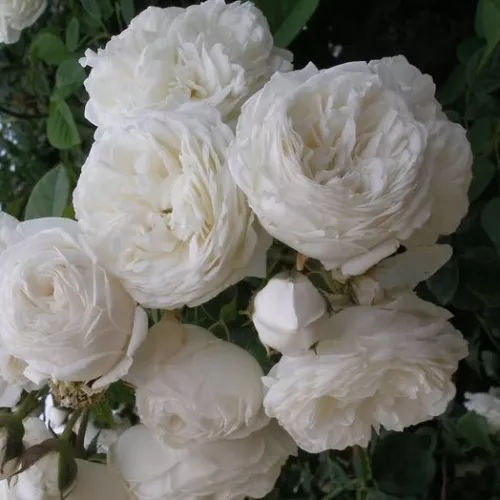
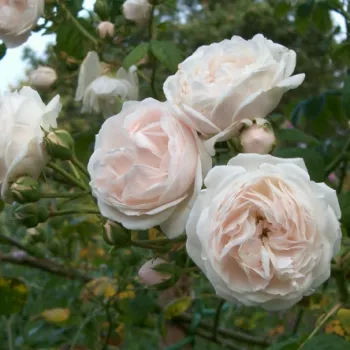
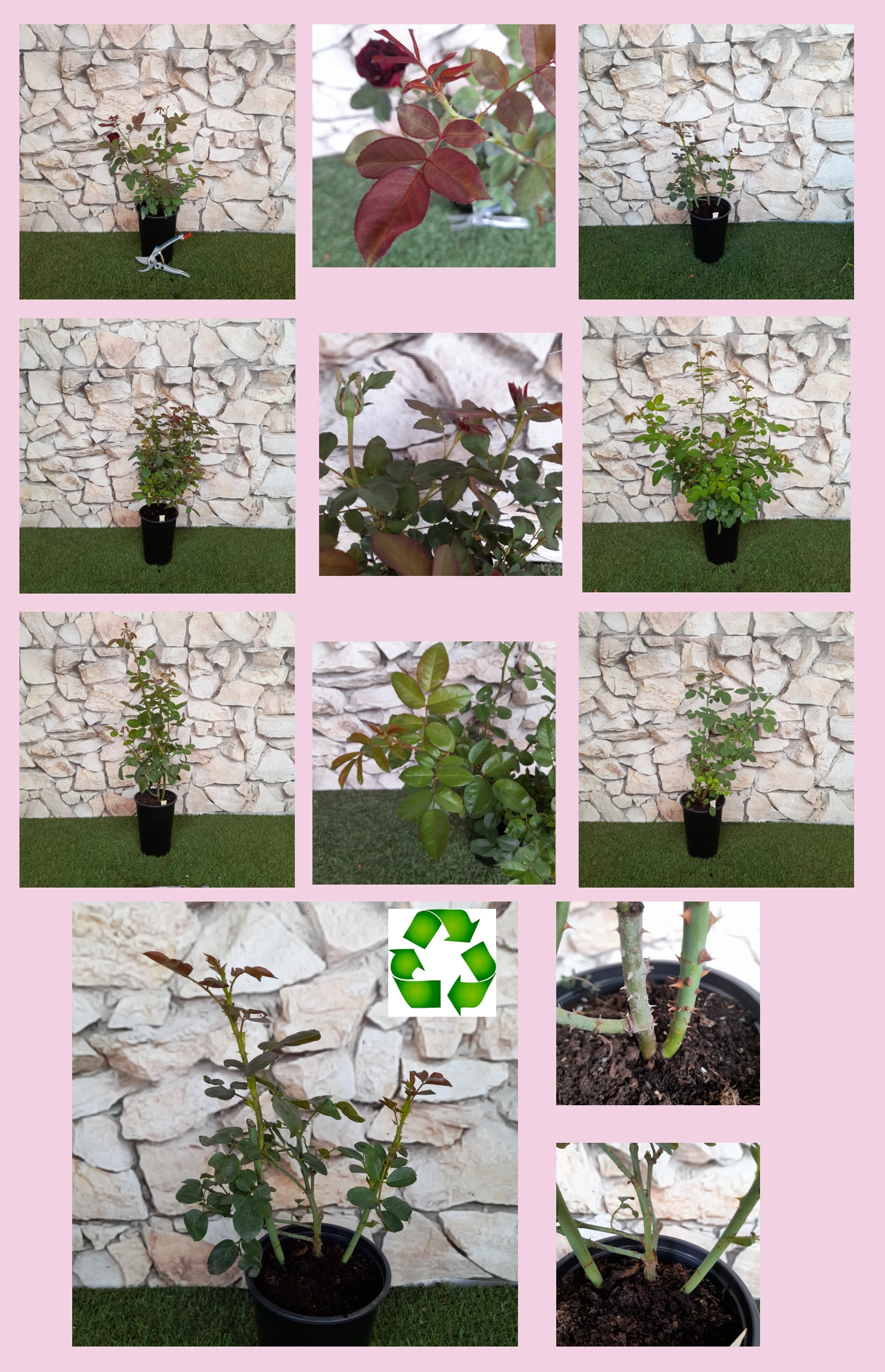
Step through your front gate and imagine creamy white clusters spilling above you like soft petals, catching the light after rain on a quietly gleaming wall or railings. ‘Long John Silver’ is a classic rambler, bred in 1934, that still earns its place in today’s smaller urban plots, where reliable growth, moderate disease tolerance and simple care matter more than perfection. On its own roots it settles steadily, forming long-lived framework stems that regenerate from the base with less fuss than traditional grafted climbers and suit rain-fed gardens that must also cope with cool, damp, wind-buffed weather. Medium maintenance means straightforward seasonal pruning rather than constant pampering, while the mild rosy fragrance and neat, cup-shaped blooms reward any patience as the plant moves from root-building to stronger shoots and, by the third year, a beautifully furnished, fully flowering display.
Usage options
| Target area |
Reasoning |
| Front-garden house wall or railing |
Trained flat against a façade, ‘Long John Silver’ gives an elegant, long-lived green curtain and soft white flowering without taking up much ground space, ideal for narrow London terraces and busy homeowners. |
| Pergola or arch over a path |
The tall, flexible canes clothe an arch or pergola beautifully, creating a romantic tunnel of white clusters and filtered shade with only occasional tying-in and pruning, suiting time-poor beginners. |
| Rainwater-fed urban fence line |
Its deep, own-root system and medium drought tolerance make good use of stored rainwater while coping with periods of neglect, so a simple soak during dry spells keeps it thriving for sustainable-minded gardeners. |
| Climbing rose for heavy soil sites |
Once established in improved clay with good drainage, its strong, woody framework gives many years of vertical interest and blossom with modest feeding, appealing to those on challenging plots seeking dependable results. |
| Informal rambling into a small tree |
Allowed to scramble through a sturdy ornamental tree, it creates a layered white canopy and extra privacy with minimal ground footprint, attractive for compact family gardens needing vertical impact. |
| Part-shade side return or alleyway |
Adaptable to partial shade, it brightens gloomy side paths with light-reflecting white flowers and dense foliage, requiring only annual pruning to keep access clear for busy urban residents. |
| Cut flower supply from a family garden |
The medium, very double blooms and long stems provide traditional-looking white cuts for the house or small events, without needing specialist care routines, suiting practical, style-conscious gardening-enthusiasts. |
| Long-term structural feature in a low-input garden |
As an own-root rambler it builds a durable framework that can be rejuvenated from the base if old canes are removed, ensuring decades of presence and value for relaxed, future-focused planners. |
Styling ideas
- TerraceRomance – Train along black railings above clipped box or evergreen herbs for a soft white contrast in a classic “girly” front garden – suited to owners of period city terraces.
- RainwalkArch – Drape over a metal arch with underplanting of Nepeta x faassenii to soften puddle-prone paths – ideal for families managing rainwater in compact plots.
- ChalkAndCream – Pair with lavender and pale sage in free-draining beds for a cool, balanced palette – good for those gardening on chalk or lighter soils.
- ShadyRibbon – Let it brighten a side passage, with Vinca minor covering the ground beneath – perfect for urban homeowners wanting low-effort green structure.
- RomanticScreen – Use on a tall fence to create a living white “curtain”, backed by dark foliage shrubs – attractive to beginners seeking quick privacy with simple upkeep.
Technical cultivar profile
| Parameter |
Data |
| Name and registration |
Rambler-type climbing rose marketed as ‘Long John Silver – white rambler climbing rose – Horvath’; American Rose Society exhibition name ‘Long John Silver’; unregistered cultivar name. |
| Origin and breeding |
Bred by Michael Henry Horvath in the United States, 1934; Rosa setigera seedling crossed with ‘Sunburst’; first introduced commercially by Jackson & Perkins Co. |
| Growth and structural characteristics |
Strong, tall climbing rambler reaching about 4.3–7 m high, spreading 2.2–4.2 m; dense, dark green slightly glossy foliage; moderately thorny canes suited to training on supports. |
| Flower morphology |
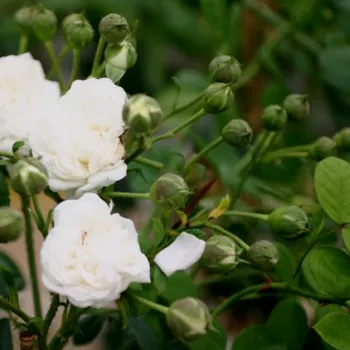
Medium-sized, very double, cup-shaped blooms with more than 40 petals, produced in clusters; remontant habit with a generous second flush extending the display season. |
| Colour data and phenology |
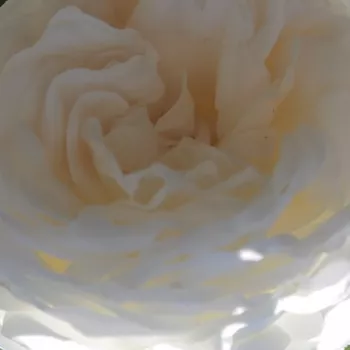
Pure snow-white flowers with subtle silvery shimmer; buds creamy white outside; slight creamy tone at petal edges before fading; colour holds well with minimal fading in normal garden conditions. |
| Fragrance and aroma |
Mild rosy fragrance of restrained intensity, noticeable at close range rather than across the garden; suitable where a gentle, unobtrusive scent is preferred near paths and seating. |
| Hip characteristics |
Rosehip production generally low because of very double flowers and prolonged blooming; occasional small ellipsoid red hips 11–17 mm in diameter may develop late in the season. |
| Resistance and winter hardiness |
Medium resistance to black spot, powdery mildew and rust; benefits from basic hygiene and timely treatments; extremely hardy to about −40 to −43 °C (RHS H7, USDA 2b, Swedish Zon 7). |
| Horticultural recommendations |
Use on walls, fences, pergolas or to climb through trees; plant around 1.8–3.3 m apart; tolerates partial shade and moderate drought with watering in dry spells; choose at least a 40–50 litre container if pot-grown. |
LONG JOHN SILVER offers tall, long-lived white coverage, adaptable structure and steady flowering from practical own-root plants; a thoughtful choice if you would like lasting height with manageable care.