LOLITA – apricot hybrid tea rose – KORlita
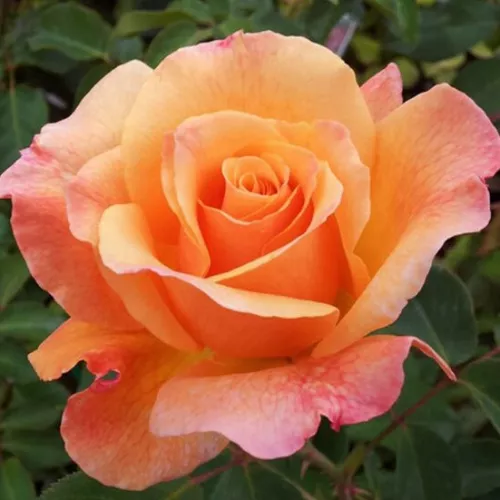
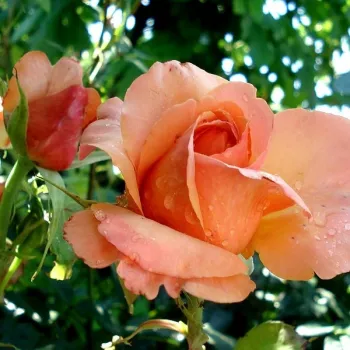
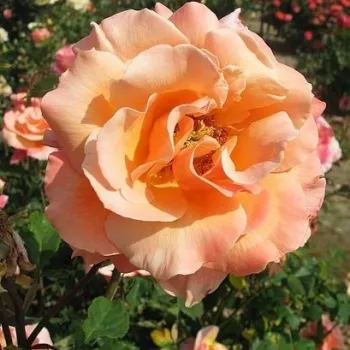
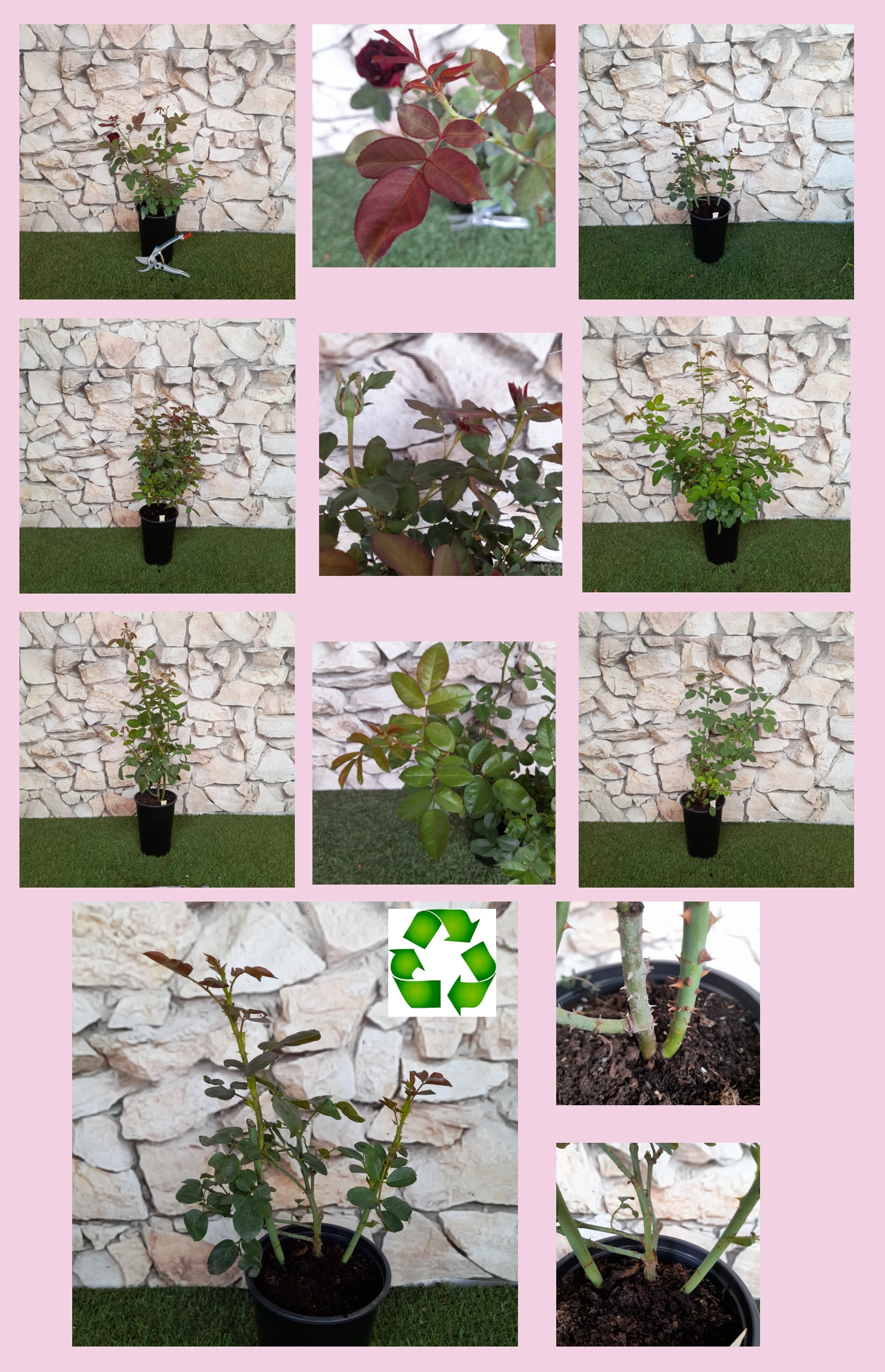
In a compact London front garden or shared courtyard, Lolita brings a quietly luxurious note of apricot glamour in an easy-care, own-root form designed for long-term balance. Large, high-centred blooms open in a radiant peach-orange that softens to golden pastel, ideal for those wanting reliable colour without complex maintenance. Its upright habit and dark glossy foliage give a clean, architectural look that suits narrow paths and smaller plots exposed to breezy, damp weather and heavier clay, where good drainage supports healthy roots. You can enjoy an elegant supply of medium-scented, peach-fragranced cut flowers from midsummer onwards, while the robust hybrid tea framework matures steadily over time. Own-root planting means the plant regenerates well after pruning or weather damage, offering lasting structure and ornamental value in a modest footprint. Year by year it settles in, with the first season focusing on root establishment, the second on stronger shoots, and by the third showing its full display of refined hybrid tea flowers.
Usage options
| Target area |
Reasoning |
| Narrow terraced-house front garden |
The tall, upright habit and relatively small footprint make this rose ideal where space is tight but you still want a focal point by the front door or along a short path, particularly in small urban family gardens seeking simple elegance for beginners. |
| Cut-flower corner in a family garden |
The high-centred, long-stemmed blooms are classic exhibition-style hybrid teas, perfect for vases indoors; remontant flowering provides repeat flushes of apricot-peach roses through the season with straightforward care for homeowners. |
| Statement specimen in a mixed border |
Planted as a single specimen at the recommended spacing, it forms a strong vertical accent with dense, dark green foliage, pairing beautifully with airy perennials like lavender or nepeta for urbanites. |
| Rainwater-conscious front garden design |
In a well-prepared, free-draining planting pocket within heavier clay, this rose copes reliably with typical British rain and wind, slotting naturally into a sustainable, low-lawn, rainwater-aware layout for city-dwellers. |
| Low-peat, long-term planting scheme |
As an own-root rose, it is a stable, long-lived choice that responds well to being grown in modern, peat-free mixes, developing a resilient framework that recovers strongly after pruning or weather setbacks for eco-gardeners. |
| Classic hybrid tea row or hedge |
Regular spacing creates a formal run of evenly upright plants with consistent flower form and colour, giving a traditional rose-garden look that still remains manageable in an average-sized family plot for enthusiasts. |
| Large container on balcony or patio |
In a 40–50 litre pot with good drainage, Lolita offers structured height and repeat flowering where borders are not possible, bringing scent and colour to balconies or paved front areas used by busy, space-conscious renters. |
| Mixed pollinator-friendly planting with focal rose |
While only partly accessible to insects, it works well as a visual focal point amongst pollinator plants like lavender, sage or nepeta, blending ornamental drama with wildlife value in one cohesive scheme for gardeners. |
Styling ideas
- Apricot-avenue – Line a short front path with evenly spaced plants, underplanting with lavender for scent and soft edging – ideal for homeowners wanting a classic welcome.
- Balcony-boudoir – Grow one plant in a 40–50 litre container, adding trailing thyme and low grasses for texture – suited to urbanites seeking elegance on a compact patio.
- Peach-border – Combine with lady’s mantle and oriental poppies to contrast soft apricot blooms with frothy lime and bold papery flowers – perfect for beginners upgrading a mixed border.
- Cutting-niche – Dedicate a sunny corner to three or five plants in a loose row for a steady supply of long-stemmed blooms – appealing to hobby florists who enjoy home-grown arrangements.
- Formal-focus – Place a solitary specimen near a front window, underplanted with low nepeta for movement and colour – designed for busy families wanting an easy, stylish focal point.
Technical cultivar profile
| Property |
Data |
| Name and registration |
Hybrid tea rose, exhibition category cut flower; registered as KORlita (LitaKOR), traded as Lolita. American Rose Society approved exhibition name: Lolita; part of the hybrid tea commercial group. |
| Origin and breeding |
Bred by Reimer Kordes at W. Kordes’ Söhne, Germany, from Colour Wonder × unknown seedling. Introduced and registered in 1972, with initial distribution via Roy H. Rumsey Pty. Ltd. in Australia. |
| Awards and recognition |
Holds ADR-Sorte status from the German General Rose Trials (1973) and received a Certificate of Merit at the New Zealand Rose Trials (1974), confirming proven garden and trial-plot performance. |
| Growth and structural characteristics |
Strong, upright hybrid tea reaching about 130–170 cm high and 100–140 cm wide, with dense, slightly glossy dark green foliage and moderate prickliness, forming a vertical, bushy framework over time. |
| Flower morphology |
Large, double, high-centred blooms with 26–39 petals, borne mainly singly on stems. Classic pointed buds open to exhibition-style flowers, with generous repeat, giving a notable second flush later in the season. |
| Colour data and phenology |
Peach-orange with golden cast; RHS 24B outer, 23A inner. Buds deep apricot outside, vivid orange within, opening radiant then fading gracefully to creamy, pastel peach tones before petal drop. |
| Fragrance and aroma |
Medium-strength, well-scented blooms with a fruity, peach-like character noticeable on still, humid days and at close range, particularly attractive when used as cut flowers indoors or near seating areas. |
| Hip characteristics |
Hip set generally poor due to full double flowers; where produced, hips are ellipsoid, around 12–18 mm, orange-red, offering modest late-season interest without dominating the plant’s visual effect. |
| Resistance and winter hardiness |
Rated H7 and hardy to about −21 to −18 °C (USDA 6b). Shows resistance to powdery mildew and black spot, with moderate rust susceptibility; benefits from basic preventive care in humid locations. |
| Horticultural recommendations |
Prefers sunny sites with well-drained soil; plant 110–120 cm apart in rows or mass, 200 cm as specimens. Medium maintenance level, with occasional plant protection and seasonal pruning to renew flowering wood. |
LOLITA – apricot hybrid tea rose – KORlita offers refined cut flowers, an upright, space-efficient habit and resilient own-root longevity; consider it if you value long-term structure with classically elegant blooms.