L'OISEAU CHANTEUR – pink nostalgia rose - Warren Millington
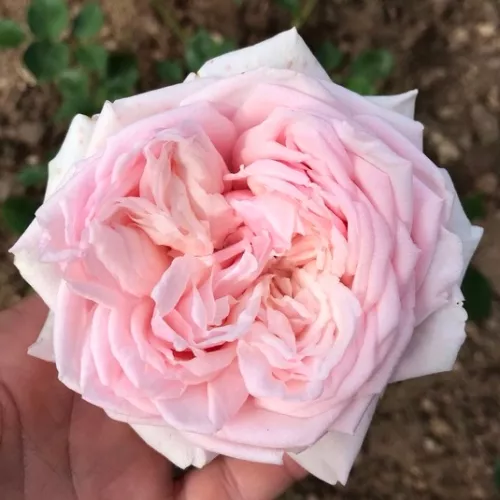
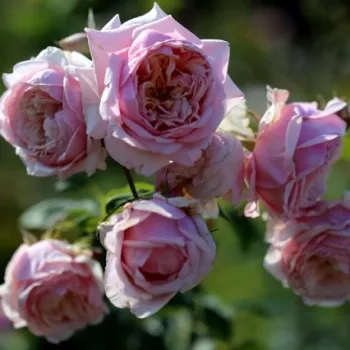
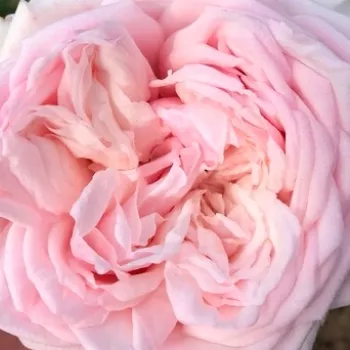
Imagine opening your front gate after steady rain and being met by a soft curtain of petals, each bloom of L’OISEAU CHANTEUR carrying a romantic nod to old‑fashioned garden charm. This compact shrub rose settles naturally into typical UK family gardens, coping well with damp spells and blustery showers in a way that suits narrower urban plots where drainage and runoff matter. Its bushy, gracefully arching habit stays within modest bounds, ideal for terrace front gardens and small borders where you want long‑season colour without overpowering the space. As an own‑root rose it matures steadily, rewarding you with a long‑lived, stable display that will reliably regenerate from the base if pruned harder or nipped by frost. The large, rosette blooms open in clusters, with a nostalgic, shell‑pink to creamy tone that feels reassuringly balanced beside paving, brick and gravel. Plant in sun with good air circulation, and its strong, lingering fragrance will drift towards paths and doorways, giving you that “post‑rain perfume corridor” effect on busy weekday mornings. In a generous 40–50 litre container, its gently arching habit and pastel colour palette lend themselves to low‑effort, high‑impact entrances, while the gradual year‑on‑year build‑up of roots, then shoots, then full ornamental value creates a reassuring sense of garden continuity and investment. Its moderate height and mid‑green foliage make it easy to underplant with drought‑tolerant herbs, helping your small city plot feel more sustainable and lived‑in over time.
Usage options
| Target area |
Reasoning |
| Front‑garden feature by the doorstep |
The strong, lingering scent and generous, nostalgic blooms create a welcoming focal point beside the front door, without growing so tall that they block light or views, suiting busy homeowners who want maximum impact from minimal daily attention for beginners. |
| Low hedge along a narrow path |
The compact height and bushy, arching canes form a soft, waist‑high line of shell‑pink rosettes, echoing traditional cottage hedging while remaining easy to trim and keep tidy, ideal for those turning a small London front path into a calm, structured route for urbanites. |
| Romantic mixed border in a family garden |
Its graceful shrub form and repeat flowering add a gentle framework in mid‑border, with colour that blends easily with perennial planting, helping newer gardeners build a long‑lived structure without complex design decisions for homeowners. |
| Large container on balcony or paved area |
In a 40–50 litre pot this rose stays well‑proportioned, giving you scented, pastel flowers above neat foliage while roots remain contained and manageable, useful for tenants or terrace owners wanting a movable feature that still feels permanent for renters. |
| Single specimen in a small lawn or gravel square |
Planted alone, its balanced, near‑natural growth habit and soft colouring read as a deliberate focal point, adding depth and romance to even a very modest space without needing companion plants immediately, helpful for step‑by‑step garden makers for starters. |
| Cut‑flower source near the house |
The large, very double rosettes on long, arching stems can be cut for scented indoor arrangements, allowing you to enjoy the fragrance both inside and out from just a few well‑placed shrubs, attractive to those who like harvesting from their garden for stylists. |
| Rain‑aware front garden with permeable surfacing |
Its modest spread works well in gravel or mulched pockets between permeable paths and parking, softening hard surfaces while fitting planting plans that handle repeated showers and standing moisture around typical city frontages, reassuring for climate‑conscious planners for sustainability‑minded. |
| Long‑term feature in a low‑maintenance scheme |
As an own‑root shrub it develops a dependable framework that responds well to periodic renewal pruning, gradually building character over years so you can edit, not restart, planting as the garden matures, particularly appealing to those planning ahead for families. |
Styling ideas
- Girlish‑Frontage – Underplant L’OISEAU CHANTEUR with low dianthus and soft gravel for a pretty, pink‑and‑white entrance that feels romantic rather than fussy – ideal for terrace owners wanting charm from the pavement line.
- Soft‑Hedgerow – Plant a short row along a pathway and thread in nepeta and chives to blur edges and catch fragrance as you brush past – suited to families turning a functional side path into a scented walk.
- Nostalgic‑Border – Combine with dusky penstemons and pale foxgloves for a layered, cottage‑style bed where its rosette blooms anchor the scene – good for hobby gardeners building structure with minimum design risk.
- Balcony‑Boudoir – Grow one plant in a 40–50 litre pot with trailing thyme and soft grey foliage to create a scented corner that reads as a tiny outdoor room – perfect for busy urbanites seeking a private, feminine retreat.
- Calm‑Courtyard – Use as a solitary specimen in a gravel square with a simple bistro set, letting its pastel colour and arching habit soften brick and stone – aimed at professionals wanting a low‑effort evening unwinding spot.
Technical cultivar profile
| Characteristic |
Data |
| Name and registration |
L'Oiseau Chanteur is a shrub‑type Romantic rose, commercial nostalgia rose, registered as MILois and bred for garden use rather than exhibition, authenticated here under its verified current trade name. |
| Origin and breeding |
Bred by Australian rosarian Warren Millington from ‘Great Southern Skies’ × ‘Scepter’d Isle’, introduced and registered in 2011, offering a modern shrub with a strong nod to traditional pastel garden roses. |
| Growth and structural characteristics |
Compact shrub reaching about 80–105 cm in height and 50–70 cm in spread, with gracefully arching, moderately thorny canes and moderately dense, mid‑green, slightly glossy foliage suitable for borders or low hedging. |
| Flower morphology |
Large, very double, rosette‑shaped blooms with over 40 petals appear in clusters; the variety repeats, offering an initial flush followed by an abundant second flowering later in the season for extended ornamental effect. |
| Colour data and phenology |
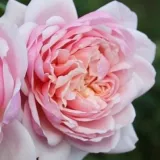
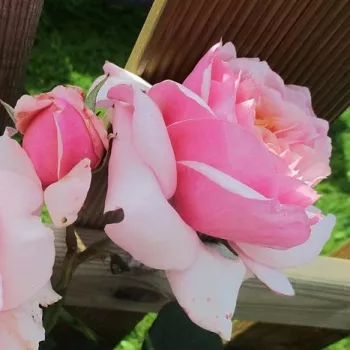
Pastel shell‑pink flowers with a subtle pearlescent sheen, coded RHS 62D outer and 65C inner, opening to creamy pink then fading to silvery, almost whitish pink, especially in strong sun, giving gentle, evolving colour. |
| Fragrance and aroma |
Classed as a strongly scented garden rose with long‑lasting fragrance; while detailed notes are unavailable, its perfume is designed to be clearly perceptible in close planting near doors, paths, or seating areas. |
| Hip characteristics |
Produces a moderate number of small hips, around 10–14 mm across, which can add seasonal interest in late season, though the plant is primarily chosen for its pastel blooms and fragrance rather than decorative fruit. |
| Resistance and winter hardiness |
Hardy to approximately −21 to −18 °C (RHS H7, USDA 6b, Swedish Zone 3) but sensitive to powdery mildew and rust and moderately susceptible to black spot, so benefits from good air circulation and attentive care. |
| Horticultural recommendations |
Best in a sunny position with well‑drained soil; plant about 60 cm apart in borders, closer for hedging, and consider proactive disease management to support healthy foliage and sustained flowering across the season. |
L'Oiseau Chanteur offers nostalgic pastel blooms, strong fragrance and balanced growth in a long‑lived own‑root form that will quietly mature with your garden, making it a thoughtful choice when planning a gentle, enduring feature.