Botanical rose

90-007-1
90-007-2

Rosa pimpinellifolia Mary Queen of Scots

Botanical rose

- – Robert Brown

Bright, vivid pink flower with a whitish centre and contrasting yellow stamens. - landscape shrub rose - medium-strength, noticeably scented rose - scent description not available

– Historic shrub bringing classic garden charm.
– Medium, semi-double blooms in soft pink tones.
– Specifically pollinator-friendly, loved by bees.
– Very healthy foliage with high disease resistance.
– Extremely hardy, copes with cold and drought.
Special feature: Dark, almost black hips decorate the shrub well into autumn.
Style in the garden – Value-based choice
Rosa pimpinellifolia Mary Queen of Scots
eleanorROSE® ORIGINAL 2-litre own-root potted rose
21,10 £
Unfortunately, we are currently unable to ship to the United Kingdom; we only deliver to countries within the European Union. For more information, please contact us!
4 (5657)
facebook   twitter

Rosa pimpinellifolia Mary Queen of Scots – lilac-white landscape shrub rose

Step off the pavement and into a subtly regal front garden with Mary Queen of Scots: a botanical shrub rose that offers once-a-year, unforgettable blossom with minimal work from you. Its semi-double blooms open in soft pink with a whitening centre and sunny stamens, drawing bees and other pollinators reliably through the season for a truly naturalistic feel. This variety is well suited to exposed UK sites where wind and rain are frequent, coping steadily with cool, damp spells and heavier soils on typical family plots. As an own-root rose it builds long-term resilience, quietly thickening into a durable, bushy shrub that shrugs off most common diseases. Grand yet compact enough for terraced-house front gardens, it works beautifully with rainwater-friendly planting and low hedging, keeping maintenance low while delivering structure every month of the year. Given a generously sized bed – or a container of at least 40–50 litres – it settles in at its own pace: first establishing roots, then putting on confident new shoots, and by the third year offering full, quietly imposing presence and an evocatively historic atmosphere.


Usage options

Target area Reasoning
Low, informal front-garden hedge Forms a bushy, upright, densely thorned line that works as a gentle green barrier along terraces or paths. Once-flowering but long-lived, it provides structure year-round with minimal trimming for busy urban gardeners
Pollinator-friendly cottage-style border Semi-double flowers with exposed yellow stamens are easy for bees to use, and the medium fragrance adds sensory appeal near windows or seating. Ideal where you want wildlife interest without complex upkeep for beginner gardeners
Naturalistic, rainwater-conscious front garden Tolerates poorer, free-draining or heavier soils and complements gravel, permeable drives and rain gardens. Its robust shrub form copes with typical British showers and breezes, suiting sustainable planting schemes for eco-minded households
Coastal and wind-exposed sites Historically grown in harsh Scottish climates, it handles cool winds and changeable weather with ease. Good disease resistance means fewer sprays in breezy, salt-tinged gardens for seaside property owners
Statement shrub in small to medium family gardens Bushy, upright growth with dense mid‑green foliage creates a strong focal point that anchors mixed borders. Own-root vigour ensures it matures into a stable, dependable feature over many seasons for long-term planners
Large container on balcony or front doorstep Performs well in a substantial pot (at least 40–50 litres) with regular watering and mulch. Own-root growth regenerates well after pruning, keeping the plant attractive and balanced in restricted spaces for flat and townhouse residents
Low-maintenance, family-friendly planting Excellent resistance to black spot, powdery mildew and rust means little to do beyond basic watering and an annual tidy. Self-cleaning blooms drop cleanly as hips form, reducing deadheading for time-poor homeowners
Autumn-interest wildlife strip or mixed hedge Once the flowers fade, abundant small, dark, spherical hips develop and persist into autumn, offering seasonal colour and informal habitat value. Works well along boundaries and side paths for nature-conscious gardeners

Styling ideas

  • Regal-hedge – Plant in a loose line along a short front boundary, underplant with low catmint or lavender to soften the prickles – ideal for style-aware city households
  • Cottage-ribbon – Thread individual shrubs through a perennial border with asters and St John’s wort for a soft, traditional feel – suited to romantic cottage-garden lovers
  • Doorstep-focus – One plant in a 50-litre clay pot by the front door, paired with trailing thyme, creates a scented welcome – perfect for compact terraced entrances
  • Coastal-frame – Use as a structural backdrop to gravel, grasses and low hollies in breezy sites – good for gardeners near the sea seeking resilient planting
  • Rain-garden – Combine with moisture-tolerant perennials around a downpipe or soakaway so the shrub anchors a rain-harvesting bed – ideal for sustainability-focused renovators

Technical cultivar profile
Property Data
Name and registration Rosa pimpinellifolia Mary Queen of Scots, botanical landscape shrub rose, shrub group; ARS exhibition name Mary Queen of Scots; historical cultivar named in honour of Mary, Queen of Scots.
Origin and breeding Historic Scottish shrub rose bred by Robert Brown, Dickson and Brown (Perth, Scotland), introduced before 1803; parentage unknown, unregistered but established in cultivation as a reliable old variety.
Growth and structural characteristics Bushy, upright shrub with dense mid‑green foliage and abundant prickles; forms a compact but substantial framework suitable for hedging or specimen use, with good self-branching and visual weight.
Flower morphology Semi-double, large flowers (approximately 2.75–3.95 inches) borne mainly singly; 13–25 petals create an airy, open form that reveals prominent stamens and encourages rapid self-cleaning after flowering.
Colour data and phenology Pink blooms with whitish centres and yellow stamens; ARS code MP, RHS 62C outer, 62D inner; colour softens to pastel tones as flowers age, creating gentle transitions during the once-a-season flush.
Fragrance and aroma Medium-strength fragrance, noticeably scented at close range despite semi-double form; suitable for positioning near paths, doors or seating where the historic character of the perfume can be appreciated.
Hip characteristics Produces small, spherical black hips about 10–15 mm across, highly ornamental from late summer into autumn; enhances wildlife-style or naturalistic plantings, not recommended for culinary or medicinal use.
Resistance and winter hardiness Very hardy shrub rose (RHS H7, USDA zone 3a, Swedish zone 6) tolerating –34 to –29 °C; good heat and drought tolerance once established and strong resistance to black spot, powdery mildew and rust.
Horticultural recommendations Best for borders, low hedging, naturalistic and coastal gardens, or large containers; plant 45–115 cm apart depending on use, in well-drained soil, with regular watering during prolonged heat or drought.

Rosa pimpinellifolia Mary Queen of Scots offers durable structure, pollinator-friendly blossom and healthy, low-care growth on its own roots; consider it if you value long-lived, characterful planting with modest maintenance.

Detailed product attributes

Product Identification Data

Product Name: ROSA PIMPINELLIFOLIA MARY QUEEN OF SCOTS – lilac-white landscape shrub rose - Robert Brown
Product Type: eleanorROSE® ORIGINAL - 2-litre own-root potted rose
Cultivar Authenticity: Verified:10.10.2025
Cultivar Quality Rating: premium bronze
Item Number: [1104] 90-007 (14.02.2026) eleanorrose.co.uk

Name and Registration

Meaning of Cultivar Name: The name was given in honour of Mary, Queen of Scots.
Cultivar Synonym: King of Scots; King of Scotland; King of the Scotch; Large Double Two-Coloured; Large Two-Coloured; Roi d
Original Trade Name: Mary Queen of Scots
Current Trade Name: Rosa pimpinellifolia Mary Queen of Scots Botanical rose Robert Brown
Rose Group: Shrub
Commercial Type: landscape shrub rose
Commercial Group: Botanical rose
Exhibition Category: shrub rose, park rose and hedging rose
Collection: Botanical rose

Origin and Breeding

Initial Distributor: Dickson and Brown (Scotland)
Introduction Year: before 1803
Registration Year: unregistered variety
Breeder: Robert Brown
Breeding Company / Institution: Dickson and Brown (Perth, Scotland)
Breeding Year: Scotland, before 1803
Parentage: unknown

Growth and Structural Characteristics

Height: #VALUE!
Spread: #VALUE!
Growth Habit: bushy, upright
Foliage: The variety has dense foliage. Little information is available about the leaf surface, and the leaves are mid‑green in colour.
Prickliness: densely thorned
Self-Cleaning Description: Once-flowering blooms usually shed their petals after fading, and rounded, dark rose hips develop that remain on the shrub until autumn.
Self-Cleaning Intensity: self-cleaning: good

Flower Morphology

Petal Count: 13–25
Flower Fullness: semi-double
Flower Shape: no data available
Flower Size: L (2,75-3,95 in)
Inflorescence Type: solitary
Colour Code: ARS code: MP RHS code: 62C (outer), 62D (inner)
Repeat Flowering: Non-remontant, blooms once.

Colour Data and Phenology

Colour: pink
Flower Colour Description: Bright, vivid pink flower with a whitish centre and contrasting yellow stamens.
Closed Bud: Closed bud of medium pink with a slight lilac‑mauve tone, the outer sepals exhibiting a pale greenish base colour.
Newly Opened Flower: The petals open in a light, fresh pink with a rapidly lightening, whitish transition towards the petal bases.
Full Bloom: Vivid but not gaudy pink petals with a distinct, pale whitish centre. Towards the edges the pink is richer and gently fades toward the centre, creating a harmonious colour transition with the yellow stamens.

Before Fading: The pink tone slightly fades, shifting towards a softer, pastel pink. The whitish centre becomes more dominant, and a slight translucency appears at the edges of the petals.
Colour Retention Level: The pink hue fades and the white tone intensifies.

Fragrance and Aroma

Fragrance Strength: medium-strength, noticeably scented rose
Fragrance Character: scent description not available
Pollinator Attraction: Smaller, simple or semi‑double flowers with conspicuous stamens and easily accessible nectar and pollen therefore make this variety particularly attractive to bees.
Pollinator-Friendly Rating: Specifically pollinator-friendly variety.

Hip Characteristics

Hip Shape: spherical
Hip Colour: black
Hip Comment: Its dark-coloured rose hips are primarily ornamental, providing an attractive autumn display; they are not recommended for consumption.

Resistance and Hardiness

Hardiness (°C): -34–-29 °C
Heat and Drought Tolerance Description: Tolerates moderate summer heat and drier, poorer soils; requires regular watering during prolonged high temperatures and extended drought.
Disease Resistance: resistant
  • powdery mildew – resistant
  • black spot – resistant
  • rust – resistant

Horticultural Recommendations

Recommended Planting Distance: for mass planting 75 cm, for hedging 45 cm, as a solitary specimen 115 cm
Planting Density: square planting 1,8 plants/m², hexagonal arrangement 2,0 plants/m²
Partial Shade Tolerance: Tolerates partial shade
Maintenance Requirement: Maintenance requirement low; good–excellent disease resistance — most fungal diseases (black spot, powdery mildew, rust) are rare, so it generally requires little plant protection or intervention.
Primary Uses: border beds and perennial edges, low hedging and shrub screens, naturalistic and cottage-style gardens, coastal gardens, cut flowers, specimen shrub, container cultivation

Comments

Strengths: Style in the garden – Value-based choice
Companion Plants: Aster dumosus ‘Apollo’ - dwarf Michaelmas daisy Hypericum Miracle - St John’s wort Ilex crenata - globe, serrated‑leaved holly
Comment: -
ROSA PIMPINELLIFOLIA MARY QUEEN OF SCOTS – lilac-white landscape shrub rose - Robert Brown
Bright, vivid pink flower with a whitish centre and contrasting yellow stamens. - landscape shrub rose - medium-strength, noticeably scented rose - scent description not available
#VALUE!
Inflorescence: solitary Height: #VALUE! Flower shape: no data available Winter hardiness: 6a pink - Dickson and Brown (Scotland) landscape shrub rose - Flower size: L (2,75-3,95 in) Flower size: L (2,75-3,95 in) - Height: #VALUE! Height: #VALUE! - Flower fullness: semi-double Rosa pimpinellifolia Mary Queen of Scots - Roses in the garden | eleanorROSE® Original - premium bronze Robert Brown

We showcase the external appearance of the roses available for online purchase from our webshop.


Which product type is right for you?


Information

In what condition do we send the rose from our online webshop?

Let us ask ourselves the question: What would I like to use the rose for?
Flower? - Location? - Screening? - Fragrance? - Height? - Breeder? - Rose hip?

Information on buying roses
Methods of payment - Delivery costs - Delivery - Complaints handling

Care guide

Our product is a rose grown with the unique PharmaRosa® cultivation technology!

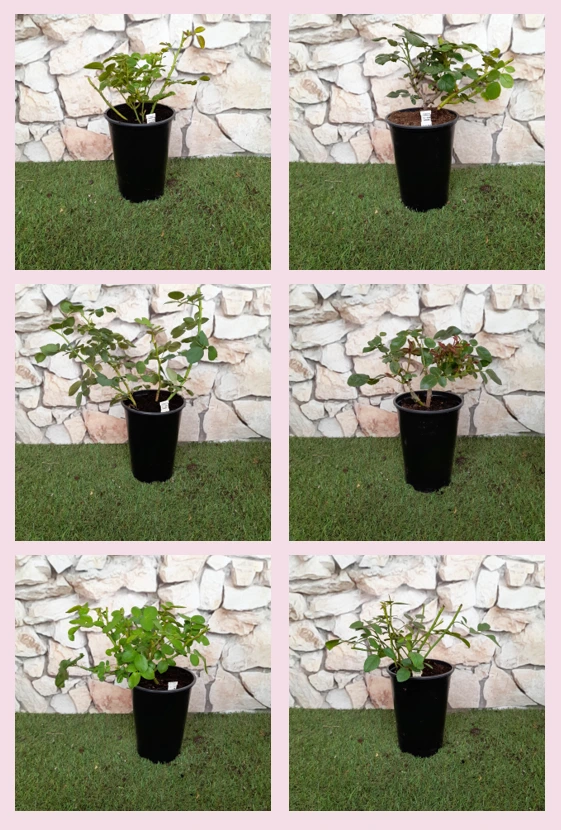
2 litre, own-root, potted rose.
With shoots appropriate to the season.
With a root system that thoroughly permeates the growing medium.
Quality in line with the requirements of the E.N.A. (European Nurserystock Association).
In unique packaging designed to prevent damage.
Can be planted during frost-free periods.
True-to-name rose plant with a unique identifier.

The PharmaRosa® own-root potted rose is a fully rooted plant that guarantees reliable establishment for you, so it can be planted at any time of the year during frost-free periods.


Crop: several varieties at several stages of development in a short crop section.
Shoot system: intensive growth of fresh basal shoots on a young plant.
Root system: demonstration of a vigorous root system that permeates the growing medium, with the pot removed.
Balance: mature plant with the development of the root system and the shoots in harmony.

Information about the videos
This video series is not a “seasonal showcase”, but makes the essence of the PharmaRosa® own-root cultivation tangible: how the plant is structured, what the root system looks like and how the shoot system renews itself. The footage was therefore recorded at several different times on plants at various stages of development, so mixed leaf cover and differing levels of development may appear in the videos. This is not a “sample” of the consignment delivered, but an illustration of how the technology works. The current, season-specific condition of the rose you are purchasing (the state in which you can expect to receive it in the parcel) is shown at the top of the product page.

pharmarosa.ptpharmarosa.itpharmarosa.sepharmarosa.eepharmarosa.fikarolinarose.pldanielarose.espharmarosa.compharmarosa.skpharmarosa.atpharmarosa.co.ukpharmarosa.czpharmarosa.depharmarosa.ropharmarosa.sipharmarosa.hrpharmarosa.frpharmarosa.grpharmarosa.dkpharmarosa.nlpharmarosa.iepharmarosa.bepharmarosa.lupharmarosa.bgpharmarosa.ltpharmarosa.lvpharmarosa.ru

Product types

Pages for private customers
Garden roses for the family garden, with minimal care  → ORIGINAL®
Premium garden roses – instant impact, a truly showpiece garden  → EXTRA®
Pages for professionals and private customers
Roses for public spaces – large areas, sustainable maintenance  → NATURAL®
Roses for projects – hedge and row planting, fast implementation  → RAPID®
For professional partners only
Production – propagation material for garden roses, wholesale  → NEONATAL®

Company details

PharmaRosa Ltd.
Company registration number: 01-09-717479
VAT number: 13075314-2-43
Plant health registration no.: HU130721
Bank account (IBAN):
HU85117631891388688400000000
BIC (SWIFT): OTPVHUHB
Bank name: OTP Bank Nyrt.