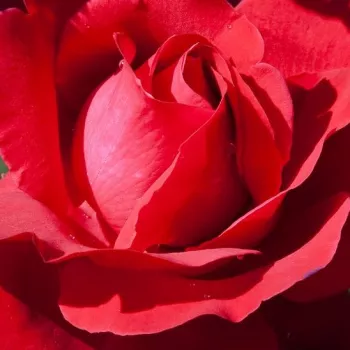
LIEBESZAUBER 91® – dark red hybrid tea rose – Kordes
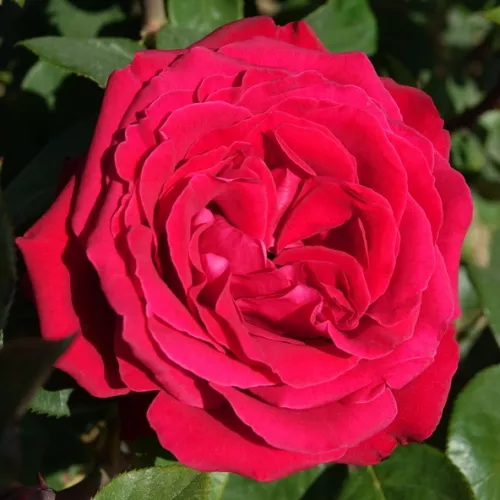
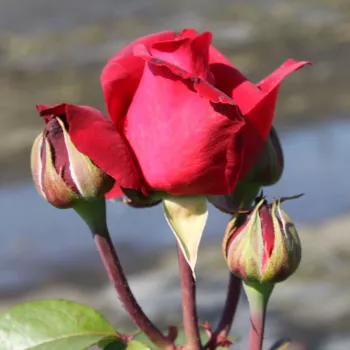
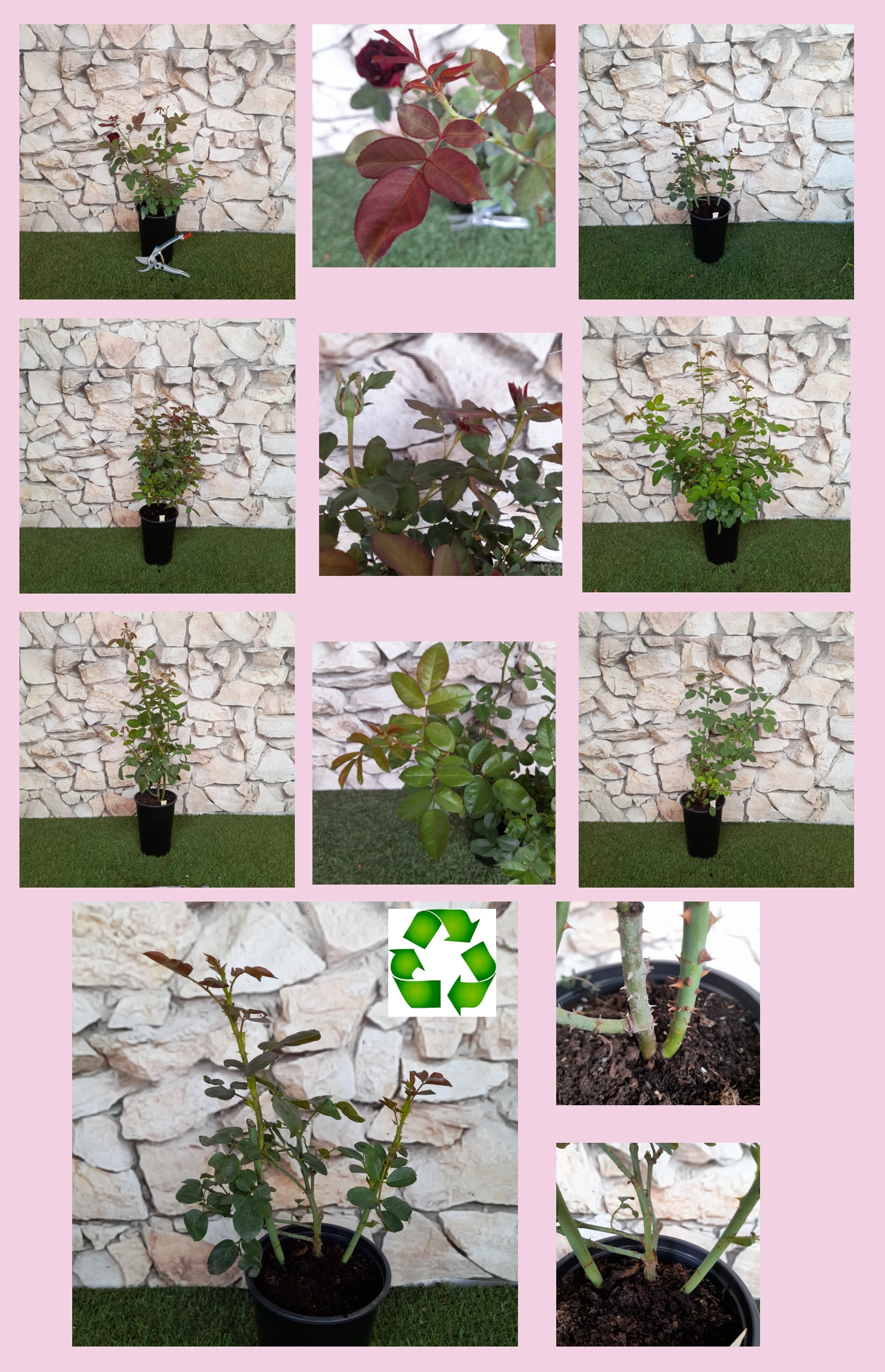
Step through your front gate and LIEBESZAUBER 91® greets you with velvet petals and a classic high‑centred bloom that looks as if it has come straight from a florist’s window, yet is quietly at home in a modest London front garden. Bred by Kordes for reliable performance, this upright hybrid tea offers strong, repeat flowering on long, straight stems that are perfect for cutting and bringing indoors. The rich, dark red colour holds well in sun and cloud, while dense, glossy foliage creates a tidy structure that reads beautifully against railings, gravel or low perennials. Its strong, traditional rose fragrance deepens in cool, still air after rain, enhancing those moments when you step outside to enjoy fresh, well‑drained beds that cope gracefully with typical British downpours and heavier soils. As an own‑root plant it builds life‑long resilience, quietly thickening its framework year by year and rewarding minimal maintenance with enduring ornamental value.
Usage options
| Target area |
Reasoning |
| Front‑garden statement rose by the path |
The upright habit and large, high‑centred blooms create a clear vertical accent beside a narrow path, ideal where space is limited but impact matters, and the strong fragrance enriches daily comings and goings for busy urban homeowners |
| Cutting rose for home arrangements |
Long, straight stems and florist‑style, very double flowers make this variety particularly suited to cutting; it repeats well through summer, so you can harvest armfuls of dark red blooms without leaving the garden bare, suiting home floristry enthusiasts |
| Feature plant in small mixed border |
Compact yet tall enough to rise above low perennials, it provides a strong focal point without overwhelming a small family garden; the dense foliage offers a neat backdrop to herbs and groundcovers, which is helpful for beginner gardeners |
| Romantic “girly” terrace or balcony container |
Planted in a large 40–50 litre container with good drainage, it offers a classic, romantic look for terraces, with repeat blooms and scent close to seating height, an easy way to add glamour and colour for city flat residents |
| Structured row along a front fence or railings |
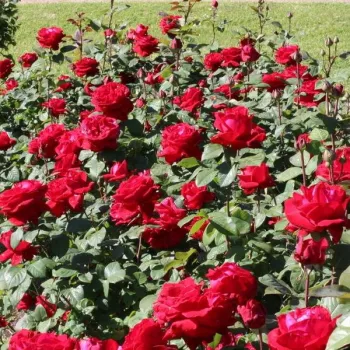
Regular spacing along a boundary gives a tidy, architectural rhythm; the consistent height and uniform flower form read as a designed feature, yet are simple to maintain with light pruning, ideal for low‑maintenance planners |
| Rain‑aware planting in heavy clay beds |
Incorporated into improved, free‑draining soil and underplanted with low, drought‑tolerant perennials, it works well where beds must cope with sudden downpours followed by dry spells, supporting sustainable front gardens for clay‑soil owners |
| Long‑term specimen for evolving family gardens |
As an own‑root rose it tends to live longer, regrow stronger after pruning or weather damage and maintain its character without reverting, making it a reliable anchor plant as outdoor spaces change for long‑horizon homeowners |
| Year‑on‑year improving show rose |
With time its root system deepens, top growth strengthens and flowering becomes more abundant and regular from the second and third season onwards, rewarding simple, consistent care for patient rose lovers |
Styling ideas
- Front‑step drama – Pair in a 40–50 litre pot with silvered Artemisia and fine gravel mulch for a chic, rain‑aware terrace vignette – suited to style‑conscious city dwellers
- Romantic border – Combine with soft pinks, white nepeta and airy grasses to frame the path, letting the dark red blooms act as elegant exclamation points – ideal for cottage‑leaning beginners
- Monochrome elegance – Underplant with white liatris and pale sedums to emphasise the wine‑red flowers against glossy foliage – perfect for fans of restrained, modern planting
- Cutting corner – Plant a small group at the back of a sunny bed with lavender and sage in front, creating a ready‑made source of scented stems – good for home arrangers
- Structured rail line – Repeat‑plant at recommended spacing along front railings, using low groundcover sedums beneath to keep soil covered and runoff gentle – aimed at practical, time‑poor households
Technical cultivar profile
| Parameter |
Data |
| Name and registration |
LIEBESZAUBER 91® is a hybrid tea rose, registered as KORmiach, with American Rose Society exhibition name ‘Liebeszauber’; commercial type and group both listed as hybrid tea rose. |
| Origin and breeding |
Bred by Reimer Kordes (W. Kordes’ Söhne, Germany) from an unknown seedling × ‘Pink Panther’, introduced and registered in 1991, representing classic early‑1990s Kordes hybrid tea breeding. |
| Awards and recognition |
Awarded a Fragrance Award at the 1994 The Hague trials, underlining the strength and quality of its classic rose scent in competitive international evaluation settings. |
| Growth and structural characteristics |
Forms an upright bush 100–140 cm tall and 70–110 cm wide, with dense, dark green glossy foliage and moderate prickliness; spent blooms persist and benefit from regular deadheading to encourage repeat flowering. |
| Flower morphology |
Large, solitary, high‑centred hybrid tea blooms with 40+ petals create a very double, exhibition‑type form; strongly remontant, it offers generous repeat flushes following the main summer flowering period. |
| Colour data and phenology |
Deep, velvety dark‑red flowers (RHS 53A outer, 53B inner) showing wine‑red hues; colour lightens slightly in strong sun, remains deeper in cooler weather, and tends towards a matt burgundy‑red as blooms age. |
| Fragrance and aroma |
Produces a strong, rich, classic rose fragrance noted in international trials; best appreciated near paths, entrances or seating, where still evening air can hold the scent after showers or during cooler periods. |
| Hip characteristics |
Very double flowers limit hip set; when produced, hips are small, spherical, around 8–12 mm in diameter, and mature to an attractive orange‑red tone late in the season. |
| Resistance and winter hardiness |
Rated H7 and hardy to about −21 to −18 °C (USDA 6b, Swedish Zone 3); disease resistance to black spot, mildew and rust is moderate, benefiting from good air flow and occasional preventative care where pressure is high. |
| Horticultural recommendations |
Best in sunny positions as a border, specimen or cutting rose; plant 55–100 cm apart depending on use, at 2.5–2.9 plants/m² for massing, with medium maintenance and regular watering during extended dry spells. |
LIEBESZAUBER 91® offers velvety dark red, strongly scented blooms on long, elegant stems, maturing into a long‑lived, own‑root feature that steadily enhances a family garden; consider it if you value enduring beauty with measured effort.