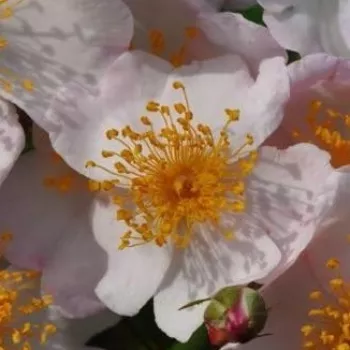
LENADBIAL – Matchball white park shrub rose (own-root, 2‑litre)
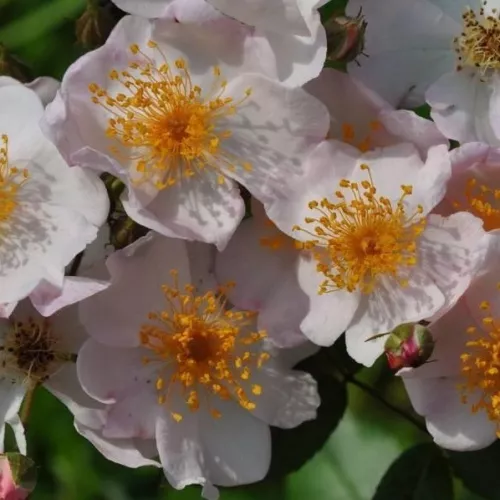
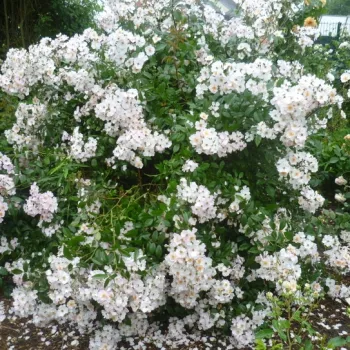
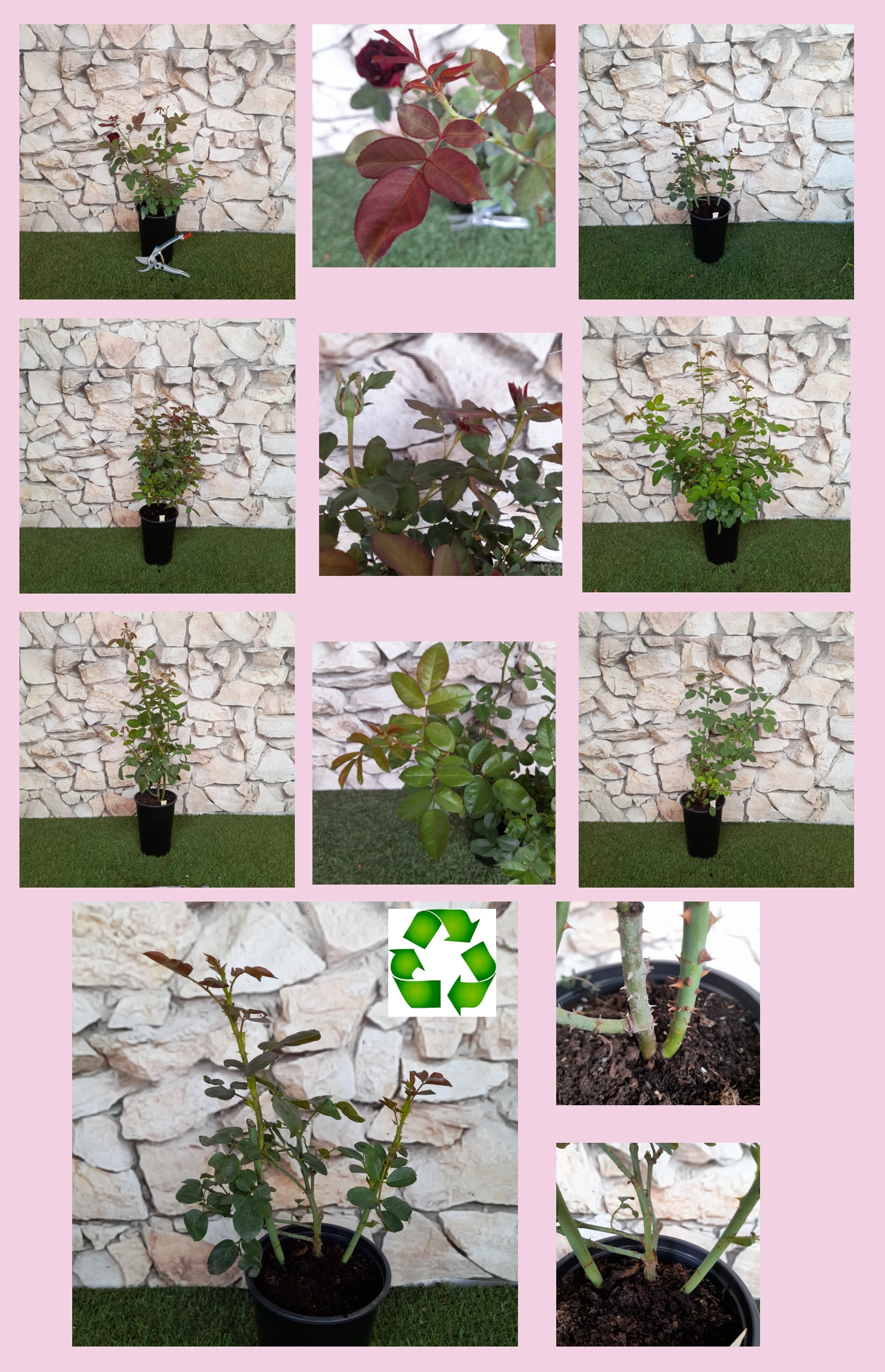
Step towards a front garden that feels both light and quietly structured, as ‘Matchball’ scatters airy white flower clusters like small lanterns along compact, twiggy stems, creating a gentle “girly” welcome in even the tightest London terrace. Its open, single blooms invite bees to linger, with soft muscat notes close-up and neat self-cleaning that keeps maintenance minimal. Own-root planting supports a long-lived, regenerating framework that settles in steadily from roots to full display, while its compact habit suits containers of at least 40–50 litres and small beds where reliable structure matters. Well adapted to typical British clay soils and blustery weather, it is particularly at ease where winds and showers roll in off the coast yet you still want a refined, sustainable display. Over time, the rounded form, fine twigging and modest prickles make it easy to shape as a low hedge, path-liner or relaxed park-style shrub. In season it offers clouds of porcelain-white, pollen-rich flowers followed by discreet orange-red hips for autumn interest, extending its quiet charm. A remontant habit gives good repeat flushes when summer stays moist, while medium disease tolerance pairs well with simple, preventative care rather than complicated spraying routines. This balanced mix of long-term structure, pollinator value and modest care needs makes ‘Matchball’ an appealing choice for busy households, forming part of a greener, rain-aware garden that still feels soft and welcoming. Across its first three seasons it builds from root establishment to fuller shoots and, by year three, a stable, park-like presence.
Usage options
| Target area | Reasoning |
|---|
| Front garden focal shrub |
Compact height and spread make ‘Matchball’ ideal for modest front gardens, giving clear structure without blocking windows or paths; own-root growth matures into a durable, balanced framework that fits busy homeowners seeking reliable ease of care for their family garden. |
| Pollinator-friendly city planting |
Single, open flowers with readily accessible stamens are highly attractive to bees, encouraging life into small urban plots and rainwater-friendly gravel strips where every nectar source counts for wildlife-aware urban gardeners. |
| Low, informal hedge |
The moderately dense, twiggy habit and light prickles allow easy shaping into a low boundary or path edging, delivering a soft, feminine look rather than a harsh barrier that appeals to design-conscious terraced-home owners. |
| Mixed border with perennials |
Clouds of porcelain-white clusters sit beautifully among lavender, nepeta or dwarf asters, giving contrast and continuity while self-cleaning flowers keep the border fresh without constant deadheading for relaxed hobby gardeners. |
| Large container on patio or balcony |
Its compact, park-shrub habit suits a 40–50 litre container, where own-root resilience helps long-term performance with simple watering routines rather than frequent repotting, a helpful solution for time-pressed balcony owners. |
| Rainwater-aware clay or coastal sites |
Performs well in typical British gardens where heavier soils meet unsettled weather, coping with regular wind and showers in exposed streets while rewarding modest drainage improvements valued by sustainability-minded front-garden planners. |
| Long-term, low-intervention planting |
Own-root plants age gracefully, regrowing from the base if stems are damaged and keeping the same flower quality year after year, reducing replacement and complex pruning for those prioritising a long-view, low-fuss garden investment. |
| Wildlife-friendly, naturalistic schemes |
After flowering, small orange-red hips provide late-season structure and subtle food value, fitting a softer, park-style planting that supports insects and birds with minimal input from nature-oriented beginner gardeners. |
Styling ideas
- Soft-Edge Hedge – Plant a gently curving row 50–60 cm apart for a low, white-flowering boundary with orange-red hips in autumn – ideal for family homes wanting subtle structure.
- Romantic Mix – Combine with lavender, nepeta and pale pink perennials to frame a path, letting bees drift between the open blooms – suited to urban gardeners favouring relaxed, pollinator-rich schemes.
- Porch Welcome – Grow one or two shrubs in 40–50 litre containers by the front door, underplanted with thyme or creeping campanula – perfect for busy owners seeking easy, long-lived pots.
- Rainwise Strip – Line a gravelled, rainwater-accepting front strip with ‘Matchball’ and airy grasses for a light, sustainable look – good for terraced streets managing runoff without losing charm.
- Park-Corner Nook – Set three plants in a loose triangle with low asters and calamint to create a mini park-style corner – appealing to hobby gardeners who enjoy gentle structure with wildlife interest.
Technical cultivar profile
| Parameter | Data |
|---|
| Name and registration |
Shrub / Hybrid Musk park rose, registered as LENadbial, marketed as Matchball; ARS exhibition name ‘Matchball’, classified in the Park – shrub rose group for garden and landscape use. |
| Origin and breeding |
Bred by Louis Lens in Belgium (1987) from Rosa multiflora var. adenochaeta Ohwi × ‘Kathleen’; introduced and registered in 1990 by Lens Roses, reflecting classic Hybrid Musk shrub character. |
| Growth and structural characteristics |
Compact shrub 80–140 cm high and 45–80 cm wide, moderately dense, lightly thorny, with slightly glossy light mid-green foliage; well suited to edging, small hedges and mixed borders in family gardens. |
| Flower morphology |
Single, flat flowers 0,5–1,5 inches across, 5–12 petals, carried in large clusters of 10–30 blooms per stem; remontant habit provides an abundant main flush followed by a generous repeat flowering. |
| Colour data and phenology |
Porcelain-white petals (RHS 155D outer, 155C inner) with a faint pink throat at opening, then pure white with vivid yellow stamens; fades only slightly creamy, maintaining a clean white effect through most of bloom. |
| Fragrance and aroma |
Fragrance is very weak, detectable only close-up, with a fresh, muscat-like nuance; chosen more for visual lightness and pollinator access than strong scent, making it suitable near doors and seating areas. |
| Hip characteristics |
Moderately abundant, small spherical orange-red hips around 6–10 mm in diameter; remain after the self-cleaning petals drop, adding discreet autumn colour and wildlife interest without dominating the shrub. |
| Resistance and winter hardiness |
Hardy to approximately –21 to –18 °C (RHS H7, Swedish zone 3, USDA 6b); medium tolerance to black spot, powdery mildew and rust, responding well to basic hygiene and balanced watering in most UK gardens. |
| Horticultural recommendations |
Use for beds, edging, low hedges, specimen or containers; spacing 50–90 cm depending on effect. Prefers fresh, moderately moist soils with reasonable drainage; medium maintenance, with occasional health checks. |
LENADBIAL – Matchball offers compact, repeat-flowering white clusters, excellent pollinator access and durable own-root growth, making it a considered choice for sustainable, small-scale gardens and terraces.