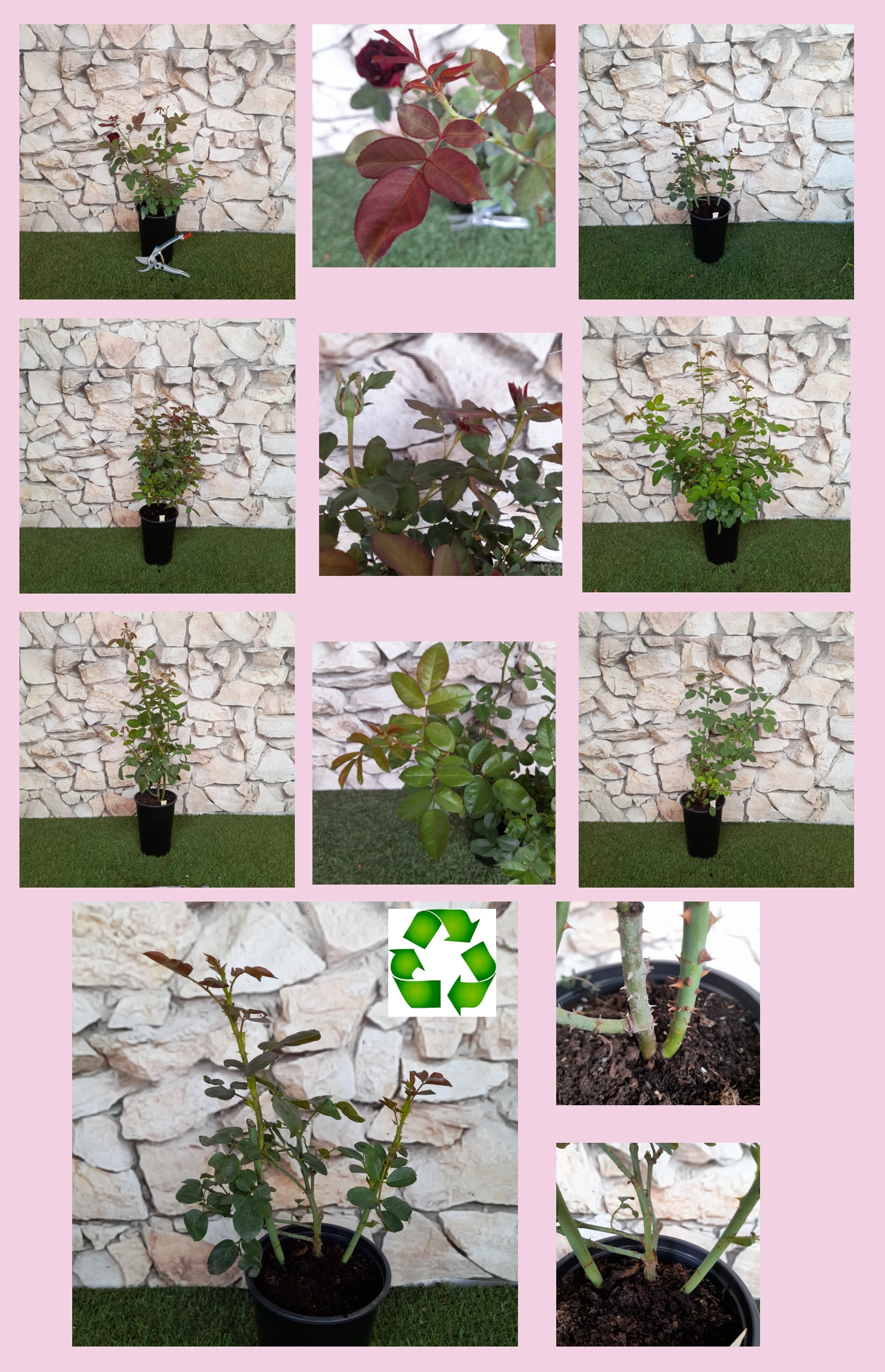
Lavender Pinocchio – purple bedding floribunda rose
Step off the pavement into a front garden of soft lavender light: Lavender Pinocchio gives you nostalgic colour on a compact, bushy structure that fits neatly into typical London terraces and family plots. Its semi‑double clusters deliver a roomy, rain‑kissed pathway of blooms, while medium maintenance needs keep gardening tasks comfortably balanced. On its own roots, this premium gold floribunda is bred for impressive longevity, quietly rebuilding from the base after harsh winters and preserving its ornamental value year after year. Flowerbeds, low hedges and large 40–50 litre containers all benefit from its reliable repeat blooming that copes well with blustery, damp British conditions in exposed, coastal‑influenced suburbs. Expect a calm, gradual development from strong roots in year one, fuller shoots in year two and a settled, mature display by year three, supporting genuinely sustainable gardening.
Usage options
| Target area |
Reasoning |
| Front garden bedding strip |
The compact, bushy habit and 100–140 cm height create a defined, colourful line that softens hard paving and parked‑car views without overwhelming a narrow plot, ideal for the busy city homeowner audience. |
| Low, informal hedge along a path |
Planting at 55 cm spacing forms a loose hedge with layered clusters of lavender‑purple flowers, giving structure and privacy while remaining easy to step around for families and visitors homeowners. |
| Mass planting in a small family garden |
At 2.4–2.7 plants per m², repeated groups quickly read as a coherent block of colour, simplifying design decisions and reducing the need for complex mixed planting schemes beginners. |
| Feature container on terrace or balcony |
In a 40–50 litre peat‑free container with good drainage, its compact framework and repeat flowering provide a stable focal point that can be enjoyed close‑up from windows and seating areas urban‑gardeners. |
| Mixed border with perennials |
The mid‑green, slightly glossy foliage and layered lilac tones combine well with airy companions like nepeta, lavender or salvias, adding depth without dominating a modest border design‑conscious. |
| Cut‑flower corner for the house |
Clustered, medium‑sized blooms with a discreet classic fragrance are easily gathered for short‑stemmed jugs, bringing gentle colour indoors without demanding florist‑level cutting skills hobby‑gardeners. |
| Climate‑tolerant bed in exposed sites |
The sturdy, compact framework stands up well to blustery, wet weather, making it a sensible choice where winds funnel between buildings and rain can linger on foliage around coastal‑influenced homes practical‑buyers. |
| Long‑term, low‑intervention planting scheme |
Own‑root plants recover reliably from winter, keeping form and colour consistent over decades, so once the rose has settled after its three‑year establishment arc, only light pruning and occasional checks are needed time‑poor. |
Styling ideas
- Terrace‑border calm – Line a narrow front path with a single row of Lavender Pinocchio edged by low nepeta for a soft lavender haze – ideal for urban gardeners wanting structure with minimal upkeep.
- Vintage lavender bed – Create a block planting of this floribunda in a small lawn‑cut island, underplanting with silver artemisia for a nostalgic, cottage‑style effect – perfect for families seeking simple charm.
- Statement container – Plant one shrub in a 40–50 litre pot with free‑draining, peat‑free compost and trailing thyme at the rim – suited to balcony owners needing impact in limited space.
- Neighbour‑friendly hedge – Use a staggered double row at 55 cm spacing along a low front fence, interspersed with lavender for scent and pollinator interest – good for sociable streetscape gardeners.
- Soft modern mix – Combine Lavender Pinocchio with airy grasses and coreopsis in a small mixed border for relaxed movement and colour contrast – aimed at design‑minded beginners experimenting with planting.
Technical cultivar profile
| Characteristic |
Data |
| Name and registration |
Lavender Pinocchio – bedding floribunda rose from the Bed rose group, registered as Lavender Pinocchio; sold as Lavender Pinocchio Bedding rose Lavender Pinocchio for garden and exhibition use. |
| Origin and breeding |
Bred by Eugene S. Boerner for Jackson & Perkins (USA) from ‘Pinocchio’ × ‘Grey Pearl’; introduced in 1948 as an unregistered floribunda, now an established classic for garden bedding. |
| Growth and structural characteristics |
Bushy, compact shrub typically 100–140 cm tall and 75–105 cm wide, with dense, mid‑green, slightly glossy foliage and moderate prickles, forming a well‑filled, balanced structure in beds and borders. |
| Flower morphology |
Semi‑double, medium‑sized, cup‑shaped flowers in clusters, with 13–25 petals; repeats well through the season, giving a good second flush suitable for bedding, hedging or cutting for the home. |
| Colour data and phenology |
Flowers open deep lavender‑purple, pass through mid lilac, then fade to pale lavender‑pink with silvery‑lilac tones; colour retention is moderate, giving gentle, shifting shades on each truss. |
| Fragrance and aroma |
Delicate, mild fragrance with a classic rose character; not overpowering near doors or windows, making it comfortable for small city gardens and seating areas where stronger scents may be intrusive. |
| Hip characteristics |
Rose hip set is usually limited; where present, spherical orange‑red hips of around 10–14 mm may appear, adding a discreet late‑season accent without significantly affecting flowering performance. |
| Resistance and winter hardiness |
Winter hardy to about −21 to −18 °C (RHS H7, Swedish Zone 3, USDA 6b); disease resistance is medium to powdery mildew, black spot and rust, benefiting from basic preventative care in humid seasons. |
| Horticultural recommendations |
Best for gardens and flowerbeds at 55–100 cm spacing; prefers well‑drained soil, regular watering with stored rainwater and occasional pest checks; maintenance is moderate and manageable for most gardeners. |
Lavender Pinocchio offers compact structure, repeat flowering and dependable hardiness on an own-root framework that matures gracefully, making it a thoughtful long-term choice for your garden.