LAVENDER LASSIE – park rose in pink-lilac shades - Kordes
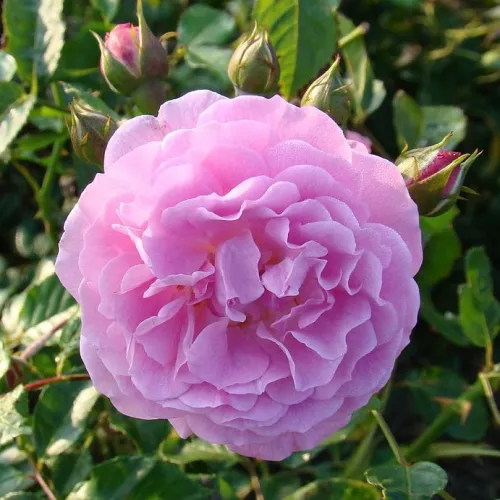
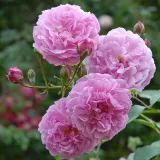
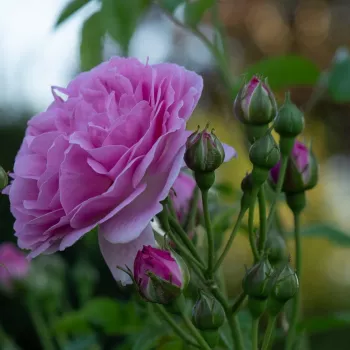
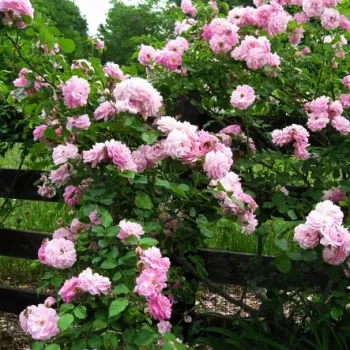
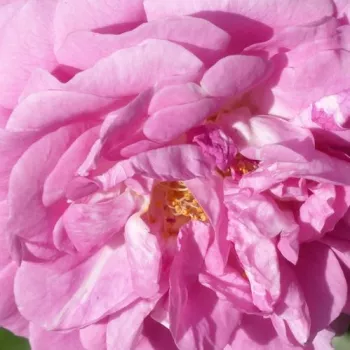
Step out to meet Lavender Lassie after rain and its strong, musky fragrance will linger along your path, while its pastel mauve-pink clusters bring a sense of balance to small urban spaces that have to cope with blustery showers and cool, unsettled coastal weather. This bushy Hybrid Musk shrub is easy to manage as an own-root plant, settling in steadily so you see roots establishing, then shoots building, then full garden presence over three years. Semi-double, cupped blooms appear in generous trusses, self-clean neatly and repeat well into autumn, giving long-lasting colour on dense, dark green foliage. In a London terrace front garden or rainwater-conscious planting, it works as a soft, sustainable hedge, a relaxed specimen or a fragrant partner to perennials, with straightforward seasonal care and dependable structure for the long term.
Usage options
| Target area | Reasoning |
|---|
| Front garden specimen for terraced houses |
The tall, bushy habit and mauve-pink clusters give instant presence without needing intricate pruning, while own-root growth keeps the plant stable and attractive for many years for the busy urban homeowner beginner |
| Fragrant path or doorway planting |
Strong, sweet musk fragrance carries well around entrances and narrow side paths, with repeat flowering meaning you enjoy scent for much of the season without complex feeding schedules or grooming for the time‑pressed garden lover scent-seeker |
| Relaxed, semi-formal flowering hedge |
Regular spacing creates a soft, flowering screen; the shrub’s good self-cleaning keeps it neat, and own-root resilience allows light trimming and renewal without fear of losing the characteristic colour and form for the small family garden owner planner |
| Rainwater-aware, clay-tolerant mixed border |
Performs reliably where rain and wind are frequent, provided you improve drainage once at planting; once rooted, it copes well with typical British swings between showers and dry spells for the sustainability-minded front-garden keeper urbanite |
| Part-shade planting near walls or fences |
Flowers retain their soft lavender-pink best in partial shade, so east- or north-facing aspects still look refined, making awkward, less sunny boundaries feel intentional rather than second-best for space-limited householders pragmatist |
| Low-maintenance cottage-style rose bed |
Clustered, semi-double flowers repeat strongly, filling gaps between traditional perennials with little more than annual pruning and occasional feeding, while own-root regrowth helps it recover from weather setbacks for relaxed weekend gardeners time-poor |
| Support-free pergola end or arch flank |
The tall, bushy structure offers vertical emphasis without needing strict training; moderate prickliness and flexible stems suit informal pegging or light tying, keeping maintenance simple for families sharing a compact outdoor space parents |
| Cut flowers for the house |
Medium-sized cupped blooms on well-branched stems give delightfully scented cuts; regular picking encourages more flowers, extending display indoors and out while preserving the shrub’s balanced shape for home decorators who enjoy their own flowers stylist |
Styling ideas
- Terrace Welcome – Place one or two shrubs in 40–50 litre containers by the front door, underplanted with trailing thyme to echo the musky scent – ideal for flat dwellers with only a doorstep to green.
- Soft Hedge – Run a loose line along the front boundary, interplanting with Alchemilla mollis and spring bulbs for a cloud of lime and mauve-pink – for families wanting privacy without solid fencing.
- Pastel Path – Pair with Nepeta and lavender along a narrow path so fragrance layers as you brush past, with self-cleaning blooms keeping the look tidy – suited to busy owners who prefer minimal deadheading.
- Shaded Corner – Use in a part-shaded corner with garden honeysuckle and ferns, where its colour holds well and scent draws you in – perfect for making an overlooked side return feel intentional.
- Cottage Mix – Combine in a mixed border with Erysimum cheiri and foxgloves for a loosely structured, romantic effect that flowers over a long season – good for hobby gardeners who enjoy an informal, wildlife-aware style.
Technical cultivar profile
| Property | Data |
|---|
| Name and registration |
Lavender Lassie is a Hybrid Musk shrub rose marketed as a park rose; it belongs to the Park – shrub rose group and is an unregistered cultivar used widely as a dependable garden rose. |
| Origin and breeding |
Bred by Reimer Kordes in Germany from ‘Hamburg’ × ‘Madame Norbert Levavasseur’, developed in 1956 and introduced in 1960, with early distribution through Roy H. Rumsey Pty. Ltd. in Australia. |
| Awards and recognition |
Received a Trial Ground Certificate from the National Rose Society in the United Kingdom in 1959, highlighting its ornamental value and garden performance in independent trials of the period. |
| Growth and structural characteristics |
A vigorous, bushy shrub 150–230 cm high and 90–150 cm wide, with dense, glossy, dark green foliage and moderate prickles, forming a full, shapely outline suited to hedging or specimen use. |
| Flower morphology |
Semi-double, cupped flowers with 13–25 petals, produced in generous clusters on branching stems, medium-sized at roughly 4–7 cm across, and strongly remontant, giving a rich second flush. |
| Colour data and phenology |
Soft pastel mauve-pink with a lilac undertone; bud colour RHS 65C–65D, paling slightly in strong sun, holding best in partial shade, with bloom centres lightening as flowers age on the plant. |
| Fragrance and aroma |
Noted for a strong, sweet musk fragrance that is long lasting in the garden and in the vase, providing a classic Hybrid Musk scent profile appreciated in both traditional and contemporary plantings. |
| Hip characteristics |
Occasional ellipsoid hips 10–14 mm across, orange-red at maturity, adding a modest late-season accent without significantly reducing the plant’s capacity for repeat flowering in good conditions. |
| Resistance and winter hardiness |
Hardy to about −26 to −23 °C (RHS H7, roughly USDA 5b), with moderate resistance to black spot, powdery mildew and rust; benefits from good air circulation and basic preventive care. |
| Horticultural recommendations |
Best planted 100–180 cm apart depending on use; prefers improved clay or chalky soils with good drainage, regular watering in dry spells, and light annual pruning to maintain flowering structure. |
LAVENDER LASSIE combines strong musk fragrance, generous repeat flowering and long-lived own-root reliability, making it a thoughtful choice for those planning a durable, characterful family garden.