LAGUNA® – deep pink climbing rose - Kordes
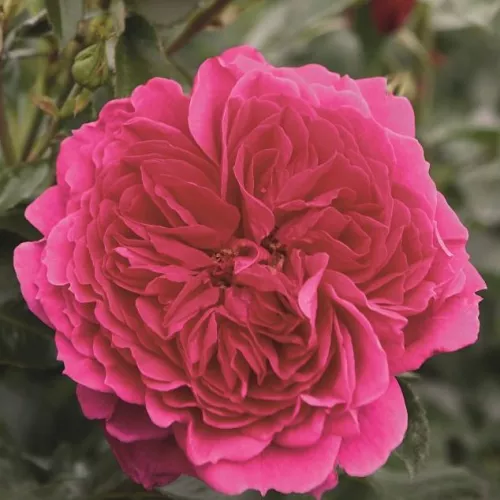
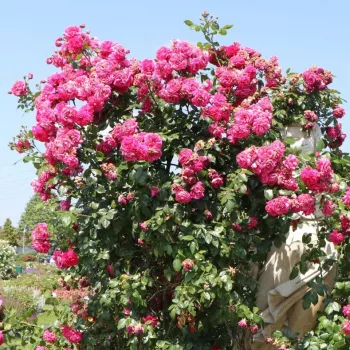
Step out after rain and let Laguna frame your doorway in saturated, deep-pink rosettes, combining lush colour with reassuringly low-maintenance ease for busy terraced-house front gardens. This Kordes-bred climber brings strong health, reliable repeat flowering and very strong, garden-filling fragrance, while its own-root vigour supports a long-lived, regenerating structure that copes well with cool, damp spells and heavy British downpours on exposed plots. Given a simple support and reasonably free-draining planting hole, it settles quickly, building roots in the first year, height and framework in the second, and full ornamental presence by the third, ready to partner rainwater-saving gravel strips and sustainable, low-lawn gardens.
Usage options
| Target area | Reasoning |
|---|
| London terraced-house front wall |
Ideal where pavement space is tight yet you want vertical drama: its compact spread and generous repeat clusters turn bare brick into a richly coloured backdrop with minimal fuss for busy urban beginners |
| Rainwater-friendly front garden fence |
Works well above gravel or permeable surfaces, using vertical height rather than lawn while tolerating cool, wet spells and wind-blown rain along the street for sustainability-minded homeowners |
| Pergola or narrow rose arch |
Its strong, upright climbing habit and dense foliage quickly clothe a simple arch or slim pergola, making a fragrant tunnel that still leaves ground space for shrubs and herbs for small-family gardeners |
| Balcony or patio in a large container |
In a 40–50 litre pot with a trellis, it offers scented screening and repeat flowers close to seating, with routine watering the main task and little specialist pruning needed for time-poor balcony owners |
| Clay or chalky suburban side garden |
Suited to many UK soils when planted into a loosened, well-drained pocket, its own-root resilience and strong framework help it establish and remain productive for many seasons for long-term planners |
| Low-intervention family play garden edge |
Placed along a boundary, it gives a tall, flower-laden screen that needs only light tying-in and occasional deadheading, keeping maintenance low while providing colour away from play space for busy young families |
| Coastal or wind-exposed plot |
Dense foliage, robust canes and proven health let it stand up to blustery, rain-lashed conditions once established, maintaining a dependable wall of colour on challenging sites for coastal garden owners |
| Cut-flower corner by the back door |
Large, very double blooms on clustered stems make richly scented bunches, and strong repeat flowering ensures you can cut regularly without stripping the plant bare for home flower enthusiasts |
Styling ideas
- Romantic archway – Train along a slim metal arch over the garden path, underplant with lavender and low nepeta for soft colour and added scent – ideal for terrace entrances.
- Vertical screen – Cover a simple slatted fence, weaving canes horizontally, then soften the base with evergreen herbs to keep interest when the rose is not in full flush – suited to narrow urban plots.
- Balcony bower – Grow in a 50 litre container with a fan trellis, pairing with trailing thyme and dwarf grasses to keep watering simple yet effective – perfect for rented balconies.
- Rainwise frontage – Use beside a permeable gravel strip and a small rain garden, adding nepeta and salvia so colour and fragrance rise above practical surface drainage – for eco-conscious front gardens.
- Evening seating nook – Clothe a pergola beside a bench, mix with a light, airy clematis for contrast, and let the strong fragrance define a calm, post-work retreat – great for relaxation corners.
Technical cultivar profile
| Trait | Data |
|---|
| Name and registration |
Laguna® Klettermaxe® (KORadigel); large-flowered climbing rose from the Klettermaxe® collection, ARS exhibition name ‘Laguna’, classified as a climber / large-flowered climber. |
| Origin and breeding |
Bred by Tim-Hermann Kordes, W. Kordes’ Söhne, Germany; parentage (La Sevillana × Sympathie) × unnamed yellow seedling; bred 1994, introduced 2004 in Europe, 2006 in the USA. |
| Awards and recognition |
Holds ADR status (2007) for garden performance and health; Silver Medal at Baden-Baden and Silver Medal at Geneva International Rose Competitions in 2007, confirming strong ornamental value. |
| Growth and structural characteristics |
Vigorous climbing habit to around 220–300 cm high with 90–140 cm spread; dense, glossy dark green foliage; canes well armed with prickles; moderate self-cleaning, benefits from regular deadheading. |
| Flower morphology |
Large, very double rosette blooms with over 40 petals, typically 6–10 cm across; carried in clusters of 6–15 per stem; repeat-flowering with a strong second flush and further intermittent blooms. |
| Colour data and phenology |
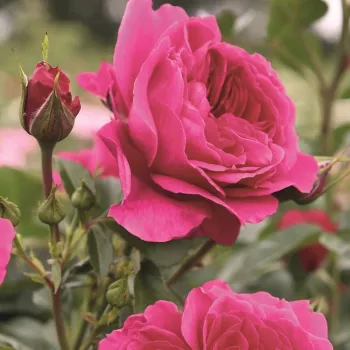
Deep, intense mauve-pink to deep-pink (RHS 60A–60B) with velvety sheen; colour holds well, slightly lightening in strong sun; buds darker cyclamen-pink, margins fading to mid-pink as flowers age. |
| Fragrance and aroma |
Very strong, garden-filling fragrance of classic old-rose type; designed primarily as an ornamental scented climber; fragrance intensity is high enough to perfume paths, seating areas and nearby rooms. |
| Hip characteristics |
Due to very double flowers, hip set is generally limited; may form occasional small, ovoid red hips about 8–13 mm in diameter, adding subtle late-season interest without heavy seeding. |
| Resistance and winter hardiness |
Rated H7, hardy to about −26 to −23 °C (USDA 5b, Swedish Zone 4); displays good resistance to black spot, powdery mildew and rust; tolerates heat if watered during extended dry spells. |
| Horticultural recommendations |
Best on sunny sites with support such as walls, arches or fences; space 140–220 cm apart; prefers well-drained soil, including improved clay or chalk; prune lightly, tying in new canes horizontally. |
LAGUNA® brings very strong fragrance, repeat-flowering vertical colour and long-lived own-root reliability to compact British gardens, making it a thoughtful choice if you would like a quietly impressive climbing feature.