LA ROSE DES IMPRESSIONNISTES – orange-yellow bedding floribunda rose - Adam
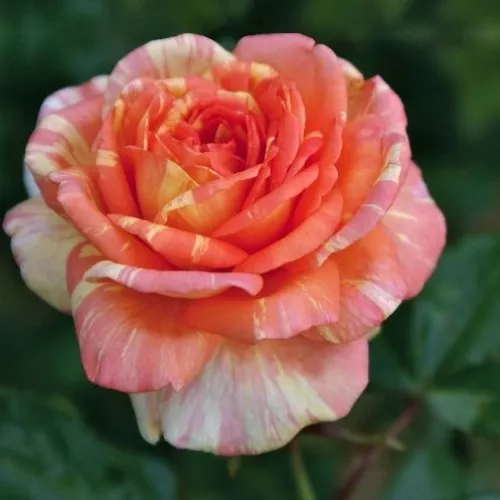
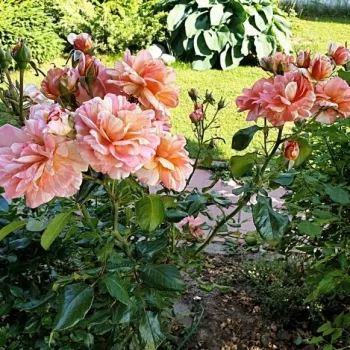
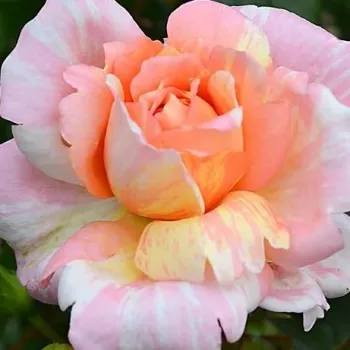
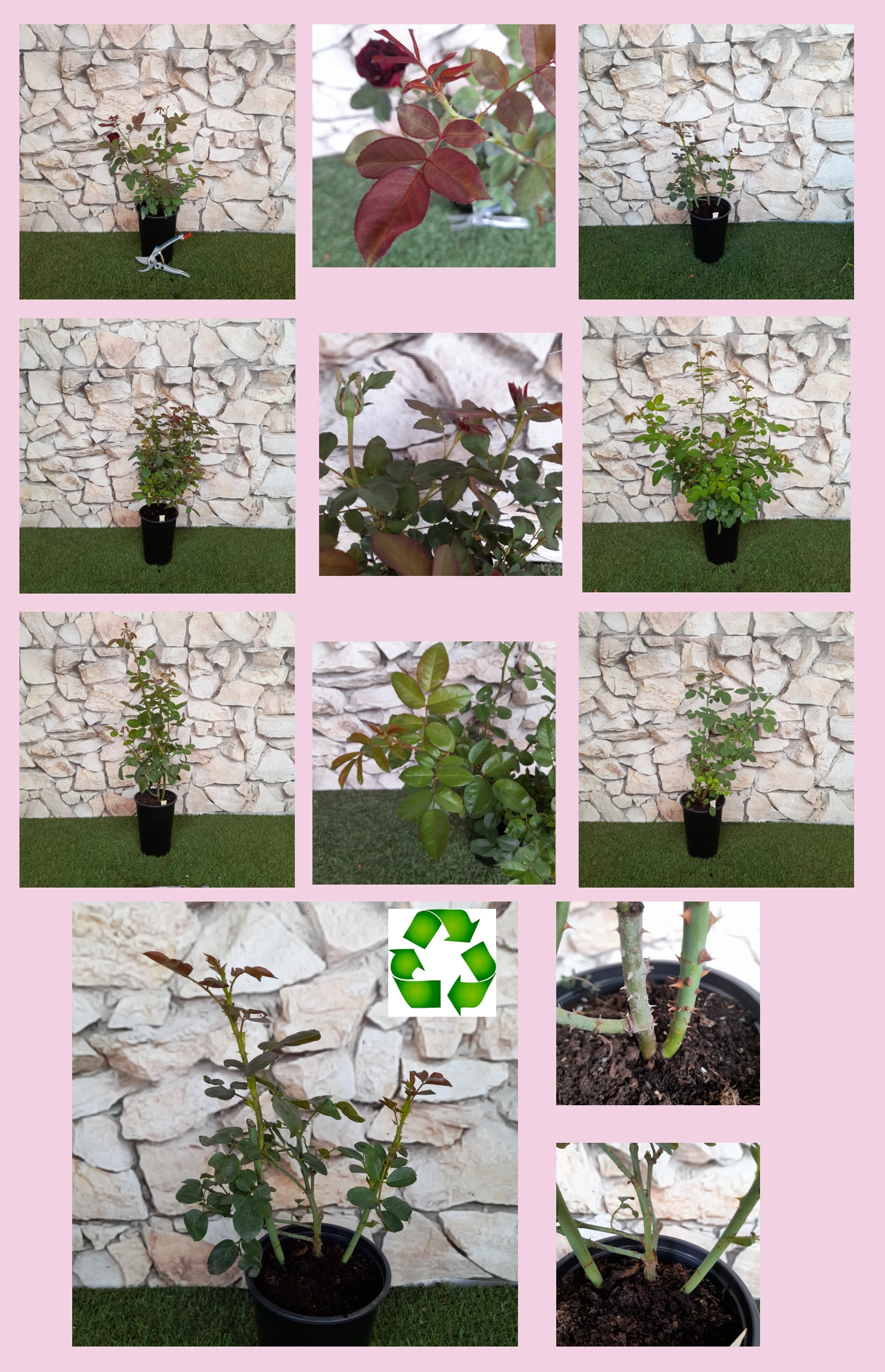
Step out after rain and meet the Impressionist character of this compact floribunda: painterly, yellow-striped salmon-orange blooms on a reliable, bushy shrub that copes steadily with typical British showers and blustery coastlines. Bred for resistance to common fungal diseases, it offers long, repeat flowering with only light deadheading, keeping a smart front garden or terrace bed looking effortless. Grown on its own roots, it settles in for the long term, quietly thickening and regenerating without graft-related worries, so you see roots in year one, strong shoots in year two, and full ornamental value by year three in a small-space, rainwater-wise gardens. Ideal for narrow London front plots or balcony planters of at least 40–50 litres, where its compact, dense habit and glossy foliage frame the colour show while you enjoy the gentle, fruity fragrance from the path.
Usage options
| Target area |
Reasoning |
| Small front garden bed |
The compact, bushy habit and modest height make this rose easy to place in narrow front gardens without overcrowding paths or windows, giving structured colour with minimal pruning while suiting time-pressed beginners. |
| Low, colourful hedge |
Planted at around 30 cm, the dense foliage and branching create a low, informal hedge with repeating waves of colour, defining boundaries neatly yet softly for family homes and relaxed homeowners. |
| Feature group in mixed border |
Using 3–5 plants at the recommended spacing builds a vivid, painterly block of blooms that anchor a mixed border, working especially well with blue or purple perennials for design-conscious hobby gardeners. |
| Large container on balcony or terrace |
In a 40–50 litre or larger pot, its compact root system and upright, bushy growth adapt well, giving long-season colour on patios and balconies where access to soil is limited for busy urban residents. |
| Low-maintenance family planting |
Good resistance to black spot, mildew and rust means less spraying and fewer problems in changeable UK summers, reducing routine tasks while still delivering reliable flowers for practical-minded families. |
| Rainwater-conscious city garden |
The moderate size and structured growth work well in beds designed to accept roof or path run-off, helping keep planting stable and attractive even where soils are heavy and drain slowly near urban houses. |
| Long-term structure in small spaces |
As an own-root plant, it thickens steadily, regenerates well after pruning and avoids graft-failure issues, giving a durable, long-lived shrub presence that rewards patient, sustainability-focused owners. |
| Decorative cutting for small vases |
Medium, double, corymb-forming flowers with subtle, fresh-fruity scent are well suited to short-stem cutting for indoor displays, offering seasonal variety for those who enjoy styling their homes with garden-grown flowers. |
Styling ideas
- Painterly Front Edge – Line a short front path with a single row, underplant with low thyme or creeping campanula to soften paving – ideal for compact terraces seeking year-round structure and summer colour.
- Balcony Gallery – Place one plant in a 50-litre container with trailing ivy and dwarf euonymus for evergreen contrast – suits urban dwellers wanting an easy, artful focal point by the seating area.
- Sunset Border – Combine with blue nepeta, lavender and purple salvias to amplify the striped orange-yellow flowers – perfect for hobby gardeners building a cohesive, warm-toned mixed border.
- Family-Friendly Hedge – Create a low boundary along lawns or play areas, interplanting with daylilies for extra summer texture – works well for families wanting soft separation without tall fencing.
- Courtyard Focus – Plant three in a triangle in a small gravel bed, adding one dwarf honeysuckle groundcover to knit the base – suited to low-maintenance, rainwater-conscious courtyard designs.
Technical cultivar profile
| Parameter |
Data |
| Name and registration |
Floribunda bed rose, registered as ADAreviday, marketed as La Rose des Impressionnistes (NIRPESPACE); shrub-type bedding and cutting variety with verified cultivar authenticity for reliable identification. |
| Origin and breeding |
Bred by Michel Adam in France before 2015, introduced and initially distributed by NIRP International in 2015, representing contemporary French floribunda breeding for garden and decorative use. |
| Growth and structural characteristics |
Compact, bushy shrub reaching about 60–85 cm high and 40–60 cm wide, with dense, glossy dark green foliage and moderate prickliness, forming a well-filled, rounded outline in beds or containers. |
| Flower morphology |
Medium-sized, double, cupped blooms with approximately 26–39 petals, carried mainly in corymb-like clusters, producing repeat flushes with a notably abundant second flowering when well-sited and cared for. |
| Colour data and phenology |
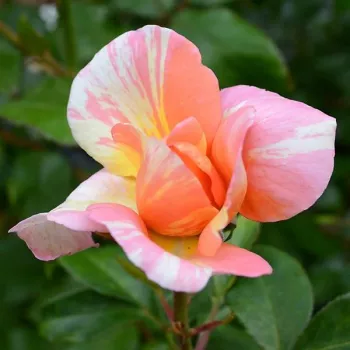
Vivid salmon-orange petals dynamically streaked with golden-yellow; buds show pale yellow streaks on deep orange-red, later shifting towards peach and creamy yellow tones as flowers age in strong sunlight. |
| Fragrance and aroma |
Fragrance is mild yet distinct, with a fresh, fruity character noticeable at close range; primarily selected for visual effect rather than powerful scent, but adding a gentle sensory layer along paths or seating. |
| Hip characteristics |
Due to the double flower form, hips are sparse; where produced, expect small, spherical red hips about 7–10 mm across, appearing occasionally and adding minor seasonal interest rather than a main feature. |
| Resistance and winter hardiness |
Shows good resistance to powdery mildew, black spot and rust; hardy to approximately −21 to −18 °C (RHS H7, USDA 6b, Swedish zone 3), tolerating heat reasonably but needing watering in extended droughts. |
| Horticultural recommendations |
Best in sunny positions with well-prepared soil; space 30–55 cm depending on use, allowing 8–9.44 plants/m² in mass plantings, with occasional deadheading and pruning to maintain shape and flowering. |
LA ROSE DES IMPRESSIONNISTES offers compact, long-lived colour with good disease resistance, repeat flowering and the steady resilience of an own-root plant, making it a thoughtful choice for enduring structure in smaller gardens.