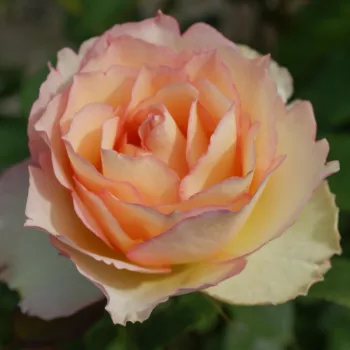
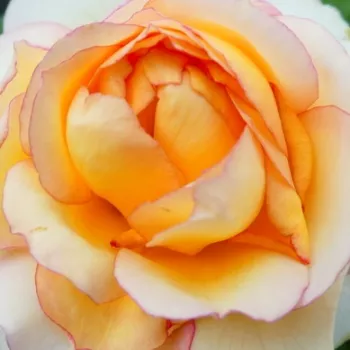
LA CHANCE D'AMOUR – peach-pink hybrid tea rose – Interplant
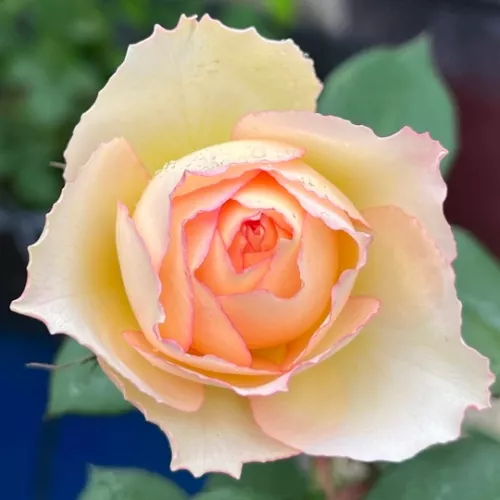
Step out after the rain to meet LA CHANCE D'AMOUR, a compact hybrid tea that brings exhibition-style flowers to small urban plots with reassuring ease. Its elegant, pastel blooms hold their shape well in wind and weather, making it a calm, reliable choice where gardens face showers and breezes typical of British coastlines. Planted in a peat-free mix and watered with stored rainwater, this own-root rose knits steadily into the soil, promising long-term stability and graceful recovery if ever cut back hard. In a London terrace front garden, on a balcony in a 40–50 litre container, or lining a neat path, it offers balanced structure, soft colour and a gentle, low-fuss presence for busy households.
Usage options
| Target area |
Reasoning |
| Front garden focal point |
The upright, medium-height habit and refined, pastel blooms make an ideal single feature by a gate or path, giving structure without overwhelming a narrow front bed and staying in scale with typical terraced-house plots for the style-conscious homeowner. |
| Small urban borders |
Its 80–110 cm height and 50–75 cm spread fit neatly into modest borders, offering clear vertical lines and repeat flowering through the season, so even compact city gardens gain a sense of depth and progression for the space-limited gardener. |
| Large containers (40–50 L+) |
Planted in a 40–50 litre or larger pot with good drainage, it performs reliably on balconies or paved front gardens, giving hybrid-tea elegance where soil is poor or absent, especially when watered with collected rain for the eco-aware urbanite. |
| Cut-flower and vase use |
Originally selected for cutting, its well-formed, cup-shaped blooms and medium stems translate beautifully indoors, allowing you to harvest garden-grown stems for vases and gifts, reducing reliance on imported flowers for the thoughtful buyer. |
| Low-maintenance family planting |
With moderate disease resistance and good heat tolerance, it suits busy households who can manage occasional deadheading and light pest checks, yet still enjoy long seasonal colour without complex spray regimes, ideal for the time-poor beginner. |
| Resilient, long-lived feature |
The own-root form means the plant regrows from its own wood if damaged, offering a steadier long-term presence than grafted equivalents and maintaining ornamental value year after year, supporting sustainable planting plans for the future-focused planner. |
| Rain-aware, clay or coastal plots |
Once established in improved clay with decent drainage, it copes well with typical British rain and wind, its sturdy growth handling exposed sites where lighter shrubs struggle, fitting neatly into resilient, rain-conscious schemes for the practical gardener. |
| Structured mixed planting |
Its clear, upright shape and pastel tones pair effortlessly with lavender, nepeta or sage, creating defined lines and balanced colour blocks that mature steadily over the first three years, giving a composed, long-view effect for the design-minded owner. |
Styling ideas
- Terrace Welcome – Position one plant in a tall, 50 litre container by a front door, underplanted with soft Nepeta to echo the peach-pink flowers – ideal for image-conscious London terrace residents.
- Soft Hedge – Plant a loose row at 50–60 cm intervals along a front boundary, interspersed with dwarf lavender for a scented, structured yet gentle division – suited to families wanting privacy without a solid fence.
- Balcony Feature – Use a single specimen in a wide, low pot with trailing thyme and sedum to maximise impact where space and soil depth are limited – perfect for renters greening paved or balcony spaces.
- Cottage Mix – Combine with Geranium macrorrhizum and sage in a sunny clay border, improving drainage with compost to create a soft, romantic look that copes with showers – good for beginners updating tired front gardens.
- Elegant Duo – Pair one rose with a compact Viburnum opulus in a small bed, letting the shrub provide backdrop and berries while the rose supplies formal blooms – appealing to gardeners seeking year-round, low-fuss structure.
Technical cultivar profile
| Property |
Data |
| Name and registration |
Hybrid tea rose, registered as INTercombig; marketed as La Chance d'Amour, Holiday Island®, INTercombig; ARS exhibition name Euphoria, suitable for garden and cut-flower use. |
| Origin and breeding |
Bred and introduced by Interplant Roses B.V. in the Netherlands in 2006; exact parentage undisclosed; selected originally for cut-flower performance and then adapted for garden planting. |
| Awards and recognition |
Gold medal Baden‑Baden 2006, Gold medal Rome 2007, Salvatore Talia Award and Angels without Wings special prize in Rome 2007, confirming strong ornamental merit in trials. |
| Growth and structural characteristics |
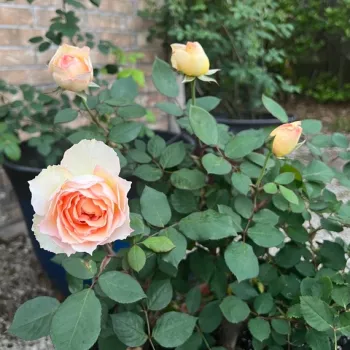
Upright, medium-height bush 80–110 cm tall and 50–75 cm wide, with moderately dense, mid-green foliage and moderate thorniness; holds a tidy, vertical outline in small borders. |
| Flower morphology |
Medium-sized, double, cup-shaped blooms with 26–39 petals, usually borne singly on stems; repeat-flowering with a generous second flush in suitable conditions, especially in sunny sites. |
| Colour data and phenology |
Pastel peach-pink with creamy centre; ARS code AB, RHS 36C outer and 35D inner; colour softens to creamy yellowish-white and can fade more quickly under strong sun as blooms age. |
| Fragrance and aroma |
Fragrance is very weak and barely perceptible, making it best chosen for appearance rather than scent; suits settings where visual effect and flower form take priority over perfume. |
| Hip characteristics |
Hip set generally low due to double flowers; when present, produces small spherical orange-red hips around 8–12 mm in diameter, offering occasional additional seasonal interest in autumn. |
| Resistance and winter hardiness |
Hardy to approximately −23 to −21 °C (RHS H7; USDA 6a, Swedish zone 3); good heat and moderate drought tolerance; resistant to powdery mildew and rust, moderate against black spot. |
| Horticultural recommendations |
Best in full sun with fertile, well-drained soil; allow 50–100 cm spacing depending on use; medium maintenance with deadheading and periodic health checks; suitable for borders, containers and cutting. |
LA CHANCE D'AMOUR combines compact, repeat-flowering elegance with resilient, long-lived own-root growth, offering an easy-care hybrid tea presence for those planning a steady, sustainable garden investment.