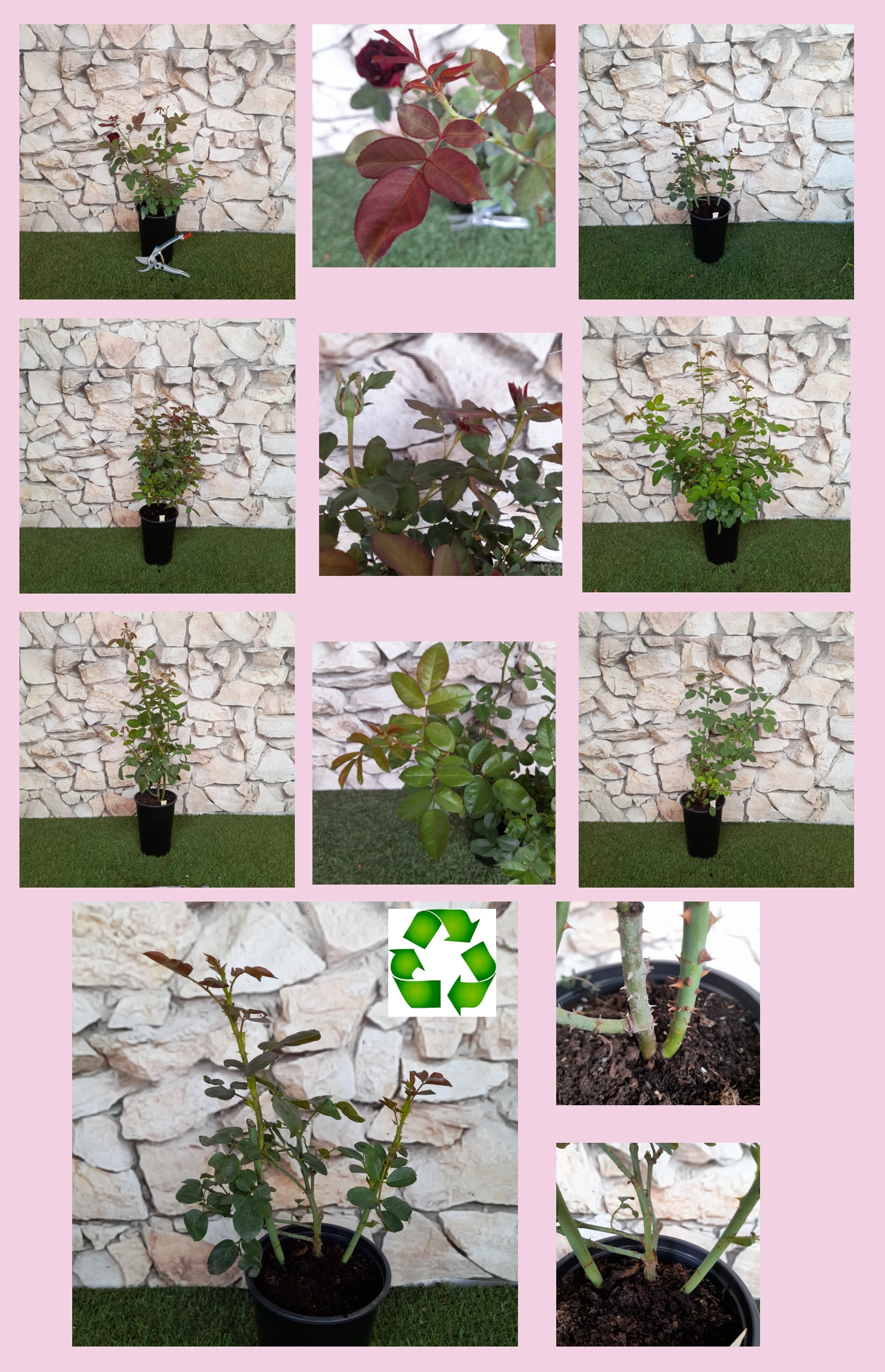
KAZANLIK – historic pink Damask rose
Step into a garden of living history with ‘Kazanlik’, a classic Damask rose famed for its perfumed petals and softly arching, bushy growth. Bred long before modern hybrids, it offers generous mid-pink, double blooms in early summer, creating a once-a-year spectacle that rewards patient care. Well suited to typical British conditions, it copes reliably with cool, damp spells and the kind of breezy weather that often follows rain, supporting gardens where drainage and moisture control really matter. Planted as an own-root shrub in a modest London front garden or cottage-style border, it settles steadily, forming a long-lived, medium-maintenance structure that can be shaped as a scented hedge or a specimen near a path. In the first seasons it concentrates on roots and framework, then builds flowering wood for a fuller, romantic display and enduring ornamental value.
Usage options
| Target area | Reasoning |
|---|
| Fragrant front garden feature |
Ideal for a London-style terrace front where you want one deeply traditional, highly scented focal point rather than complex planting; its once-a-year flowering creates a memorable seasonal event for busy urban gardeners. |
| Scented boundary hedge |
Planted at the recommended hedge spacing, its dense, thorny structure and matt mid‑green foliage build a protective, long-lived boundary that also delivers a striking early-summer flower wall for family garden owners. |
| Low-input historic rose border |
Suited to gardeners who prefer steady, traditional shrubs that do not need intricate pruning; regular dead-heading and an annual tidy keep this heritage Damask performing reliably with moderate effort for time-pressed beginners. |
| Specimen in mixed shrub bed |
As a single specimen at wider spacing, it forms a bushy, architectural rose that anchors mixed planting, pairing well with airy perennials and allowing its strong fragrance to be enjoyed from nearby seating for relaxed home gardeners. |
| Rain-aware, clay-soil planting |
Particularly suitable where heavier soils and wet spells are common, provided you improve drainage; it responds well to careful siting on a slight rise or in a free-draining bed that manages post-rain moisture for sustainability-minded planters. |
| Historic and collector’s garden |
Its 17th-century origins and association with traditional rose-oil regions give it strong heritage appeal, making it a characterful choice for collections focused on old garden roses for heritage-focused enthusiasts. |
| Scented walkway or narrow path |
Positioned beside a narrow path, its arching stems and very strong, classic rose fragrance create an immersive experience in early summer, especially after rainfall has refreshed the blooms, suiting sensory-seeking walkers. |
| Larger container in courtyard |
In a 40–50 litre or larger container with good drainage, it can bring historic charm and scent to a paved courtyard or balcony setting, with root space and stable soil volume supporting long-term structure for space-conscious city gardeners. |
Styling ideas
- Romantic-hedge – plant in a loose line with soft underplanting of lavender cotton and low grasses to frame a traditional front path – ideal for lovers of cottage-style entrances.
- Collector’s-corner – group with other historic roses and heritage perennials to highlight its Damask origins – suited to enthusiasts building a story-led rose collection.
- Courtyard-focus – grow in a large, weathered pot with goldmoss stonecrop spilling at the base to contrast the pink blooms – perfect for compact, paved city spaces.
- Scented-arc – use two or three shrubs to curve around a bench, letting summer fragrance pool in a small seating area – for those who prize quiet, contemplative spots.
- Textured-border – weave through a mixed planting of verbena and airy perennials so its once‑a‑year flush rises from a fine-textured tapestry – attractive to design-aware home gardeners.
Technical cultivar profile
| Parameter | Data |
|---|
| Name and registration |
‘Kazanlik’ is a historical Damask rose marketed as Kazanlik Historic rose, classed as an old historic Dowager type; it is an unregistered cultivar within the Historical rose commercial group. |
| Origin and breeding |
Traditional Damask selection with complex Rosa gallica ancestry; introduced to wider cultivation by Dr Georg Dieck in Germany in 1889, though its breeding origins trace back to around 1612. |
| Growth and structural characteristics |
Bushy, upright shrub reaching approximately 140–200 cm high with 120–180 cm spread; dense, matt mid‑green foliage and plentiful prickles form a substantial, structural presence in beds or hedging. |
| Flower morphology |
Mid-sized, double, flat flowers in clustered inflorescences; each bloom carries roughly 26–39 petals and appears in a single, abundant early-summer flush rather than repeating through the season. |
| Colour data and phenology |
Blooms open deep to mid pink with a silvery sheen, then fade to pale pink with creamy edges; colour retention is modest, giving a softly weathered look as flowers age on the shrub. |
| Fragrance and aroma |
Very strongly scented with classic rose and Damask perfume, noticeable from a distance in still air; historically linked with regions producing rose oil, it is primarily grown for ornamental scent. |
| Hip characteristics |
Hip set is generally sparse because of the double flower form; when present, hips are ellipsoidal, around 12–20 mm in diameter, colouring orange-red and offering modest late-season interest. |
| Resistance and winter hardiness |
Hardy to approximately −21 to −18 °C (RHS H7, USDA 6b), with moderate tolerance of heat and short dry spells; disease resistance is moderate to powdery mildew, black spot and rust. |
| Horticultural recommendations |
Best in sunny positions with improved drainage on heavier soils; allow generous spacing for air flow, and use regular dead-heading plus occasional plant protection where disease pressure is persistent. |
| Awards and recognition |
Honoured as Dowager Rose Queen at the ARS Phoenix Rose Society Show in 2006, underlining its status as a respected historic cultivar among exhibition and heritage rose specialists. |
Kazanlik Historic rose offers intense fragrance, strong structure and enduring heritage presence on its own roots, making it a thoughtful long-term choice for characterful family gardens and compact front spaces.