JULIE DE MERSAN – pink historic moss rose - Thomas
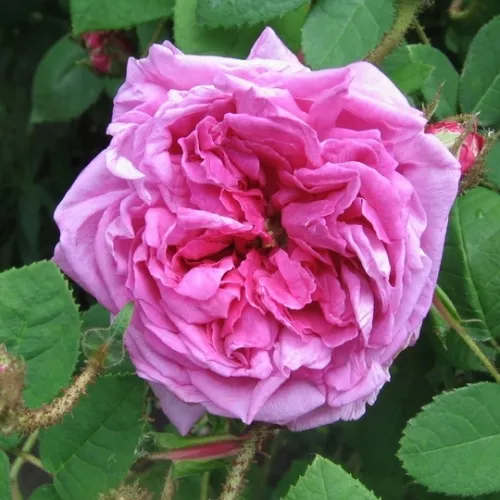
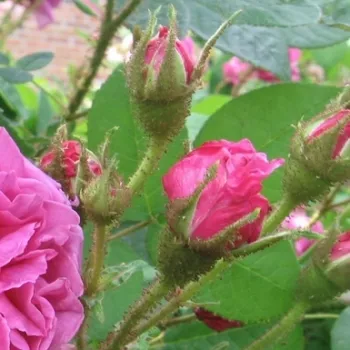
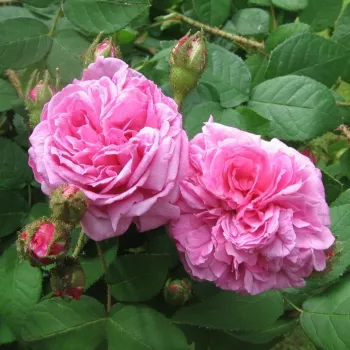
Step out after rain and brush past the softly mossed buds of Julie de Mersan to release a rich, resinous perfume that feels like walking an old garden path in peace. This mid‑pink historic moss shrub rose forms a naturally bushy, upright plant with dense, matt, dark green foliage that sits beautifully in a compact London front garden or mixed border. Once‑blooming in early summer, its large, very double, pompon clusters transform the shrub into a flush of colour, then settle back into a calm, structured presence that anchors the planting through the rest of the season. Own‑root plants mature steadily beneath the surface, establishing first their roots, then stronger top growth, and by the third year giving their full, long‑lived character with stable flowering and dependable shape. Tolerant of colder winters and damp, breezy sites, it copes gracefully where gardens face frequent rain and cool, changeable weather. Given even soil moisture and a sunny spot, this quietly traditional rose delivers years of balance and fragrance with only moderate, occasional care, fitting well into low‑input, sustainable gardens.
Usage options
| Target area |
Reasoning |
| Feature shrub in a small London front garden |
The upright, bushy habit and dense, matt dark green foliage give Julie de Mersan enough structure to stand alone in a narrow front garden, where its single, dramatic flush of pink flowers and rich perfume mark early summer as a highlight for busy homeowners. |
| Scented path or entrance planting |
Mossy buds and very strong, garden‑filling fragrance invite you to brush past on the way to the door, turning a simple path into a sensory experience while the once‑blooming display keeps pruning and deadheading needs modest for beginners. |
| Mixed shrub and perennial border |
The moderate height and 70–110 cm spread allow this shrub to weave between perennials, adding a concentrated early‑summer performance and then receding into a dark green backdrop that supports long‑season companions for hobby gardeners. |
| Rain‑aware, low‑input planting in cooler, breezier sites |
Hardy to typical UK winters and tolerant of damp, changeable weather, the shrub fits coastal or exposed town gardens where wind and rain are frequent, provided the soil drains reasonably yet stays evenly moist for sustainability‑minded owners. |
| Own‑root, long‑term garden framework |
As an own‑root shrub it forms a stable, regenerating framework that ages gracefully, free from graft‑union worries, keeping its historic character intact over decades with minimal replacement needs for long‑view planners. |
| Low‑maintenance historic rose collection |
With medium maintenance requirements and moderate disease resistance, Julie de Mersan suits collectors who appreciate authentic nineteenth‑century varieties but still want a shrub that fits into a realistic care routine for heritage enthusiasts. |
| Specimen in a large container (40–50 litres+) |
Grown in a generous, well‑drained 40–50 litre or larger container, the plant can grace steps, terraces or balconies, concentrating its summer display and fragrance where space is tight yet access to watering remains practical for urban gardeners. |
| Scented focal point in a family seating area |
The very strong, sweet‑resinous fragrance and large, fully double flowers create a romantic focal point near seating, while its once‑blooming habit and moderate care needs keep seasonal tasks straightforward for time‑pressed families. |
Styling ideas
- Romantic frontage – Pair Julie de Mersan with lavender and soft grasses along a short front path, letting its mossy buds and perfume frame the doorway – ideal for city terrace owners wanting classic charm.
- Heritage corner – Combine with nepeta, white foxgloves and old brick or stone to echo nineteenth‑century gardens – perfect for history lovers curating a small but characterful collection.
- Soft contrast – Underplant with silver‑leaved sage and low geraniums to set off the vivid pink flowers against cool foliage – suited to those seeking gentle colour without visual clutter.
- Evening nook – Place a container‑grown plant by a bench or balcony rail where the strong scent carries in the cooler hours – good for busy people enjoying short, restorative garden breaks.
- Structured mix – Thread through a border of perennials such as Physostegia and Penstemon to give summer focus, then structural greenery afterwards – useful for gardeners wanting order with a natural feel.
Technical cultivar profile
| Property |
Data |
| Name and registration |
Julie de Mersan is a historic moss shrub rose, traded as JULIE DE MERSAN – pink historic moss rose - Thomas; unregistered as a modern cultivar but accepted by the American Rose Society. |
| Origin and breeding |
Originating in France in 1854, bred by Désiré Thomas and first distributed by F. C. Davis in Australia in 1862; parentage and breeding records are not known in detail. |
| Growth and structural characteristics |
Bushy, upright shrub reaching around 105–175 cm in height with a 70–110 cm spread, moderately thorny stems and dense, matt, dark green foliage forming a solid, textural presence in the border. |
| Flower morphology |
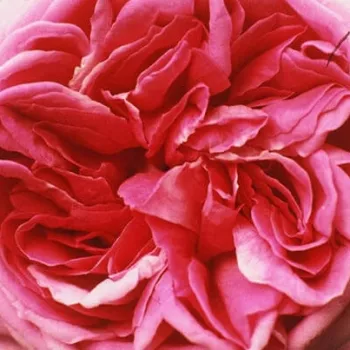
Large, round, pompon clusters of very double blooms with more than 40 petals, borne in heads rather than singly; once‑blooming in early summer, not remontant, offering a concentrated flowering season. |
| Colour data and phenology |
Pure mid‑pink with darker buds; outer petals RHS 57C, inner 62B, opening glossy, then fading through bright to pastel pink with a light silvery tinge as the flowers age before finally dropping. |
| Fragrance and aroma |
Very strong, garden‑filling scent with a richly sweet, resinous character associated with moss roses; best enjoyed near paths, doors or seating where light contact with the buds releases additional aroma. |
| Hip characteristics |
Occasionally forms decorative, spherical red hips 11–19 mm in diameter, offering modest late‑season interest; hip production varies with season, pruning timing and pollination conditions. |
| Resistance and winter hardiness |
Hardy to approximately –26 to –23 °C (RHS H7, Swedish Zone 4, USDA 5b) with moderate resistance to black spot, mildew and rust; prefers evenly moist soils to avoid stress in heat or dry spells. |
| Horticultural recommendations |
Best in full sun with fertile, well‑drained but moisture‑retentive soil; medium maintenance with occasional pest and disease checks, regular watering in dry periods and light pruning after flowering. |
Julie de Mersan offers a richly scented early‑summer display, reliable bushy structure and long‑term stability from its own‑root form; consider it if you favour enduring, characterful roses with manageable care.