Climbing and Rambling Roses

90-094-1
90-094-2

John Cabot

Climbing rose

- – Felicitas Svejda

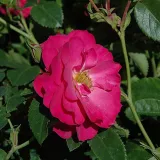
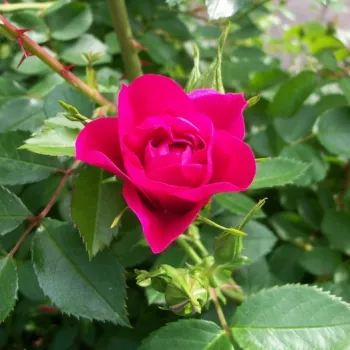
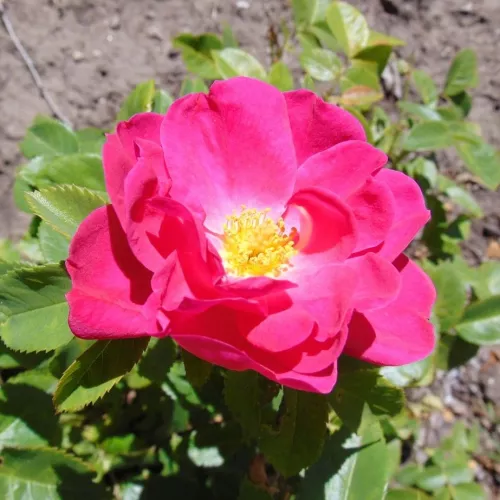
The petals are an intense, saturated deep pink shade with a subtle purplish undertone. - rambler, climbing rose - mild, subtly scented rose - delicately rose scented

– Charming deep pink semi-double clusters.
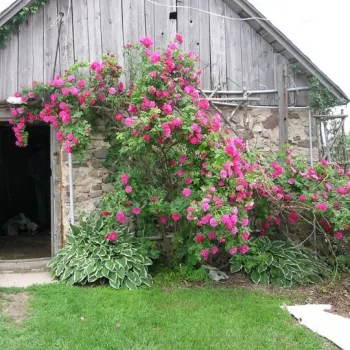
– Vigorous climber for pergolas and walls.
– Extremely hardy, down to –40 °C.
– Good heat and drought tolerance.
– Gentle, delicately rose-scented blooms.
Special feature: RHS Award of Garden Merit for reliable garden performance.
Style in the garden – Value-based choice
John Cabot
eleanorROSE® ORIGINAL 2-litre own-root potted rose
21,20 £
Unfortunately, we are currently unable to ship to the United Kingdom; we only deliver to countries within the European Union. For more information, please contact us!
4.5 (6633)
facebook   twitter

JOHN CABOT – pink climbing rambler rose - Svejda

In a compact city front garden or along a London terrace, JOHN CABOT offers an easy way to bring vertical colour and long-season interest to pergolas, railings and walls, even where space is tight and summers are increasingly humid with frequent rain and wind off the coast. This cold-hardy climber builds a framework of dark, glossy foliage and orchid-pink blooms that ask for modest routine care rather than complex rose know-how, while its own-root form supports a genuinely long-lived structure that can regenerate from the base if stems are damaged. You can train it to arch over a path or front gate, using harvested rainwater and peat-free compost to establish a resilient root system that settles in discreetly in the first year, extends flowering shoots in the second, and reaches full ornamental impact by the third. Semi-double flowers with a soft rose fragrance create an informal, romantic screen, and occasional orange-red hips add a gentle seasonal accent in autumn.


Usage options

Target areaReasoning
Urban front-garden pergola Use JOHN CABOT to frame a narrow front path, training the long, flexible canes over a compact timber or metal pergola for strong vertical colour without sacrificing ground space, ideal where summers are windy and often rainy near the coast for beginners
Climbing feature on house wall Planted 40–50 cm from a sunny or lightly shaded wall, this rambler develops a durable woody structure on its own roots, giving stable long-term coverage while allowing you to renew older stems without losing the plant, reassuring for the long‑term
Screening for family seating area Trained along tensioned wires or a simple fence, its dense, glossy foliage and medium-height climb create a relaxed, flowered screen that softens boundaries and offers a sense of privacy without feeling heavy, well suited to the busy urban family
Rainwater-friendly large container In a 40–50 litre peat-free container with good drainage, JOHN CABOT works as a mobile vertical accent on balconies or paved front gardens, especially when irrigated with collected rainwater to reduce mains usage, appealing to the eco-conscious city gardener
Partially shaded side return Its tolerance of partial shade lets you brighten side alleys and north-east aspects where many roses sulk, giving a long season of deep pink blooms along paths that are otherwise hard to plant successfully for the small-space homeowner
Seasonal pollinator support The semi-double flowers provide some accessible pollen and nectar during peak flushes; while only partially attractive to insects, they can still complement more strongly pollinator-focused plantings, helping those keen to support wildlife
Low-fuss colour with occasional hips Medium self-cleaning means many spent blooms drop themselves, reducing deadheading, and occasional small orange-red hips add a soft autumn accent, so you enjoy colour with just occasional tidy-ups, convenient for the time-pressed urban owner
Structural backbone in mixed planting Once established, its hardy, woody framework and reliable re-flowering give consistent height and rhythm behind perennials or grasses, acting as a long-lived backbone that anchors the planting design over years, appreciated by the style-conscious planner

Styling ideas

  • Romantic-archway – Train JOHN CABOT over a narrow arch with lavender or nepeta at the base for a soft, scented entrance – perfect for front-garden dreamers
  • Balcony-column – Grow it in a 50-litre container with a slim obelisk and trailing thyme to green a paved balcony – ideal for space-limited city dwellers
  • Pastel-partner – Pair its deep pink clusters with soft whites such as Campanula carpatica to create a gentle, feminine facade – suited to “girly” front gardens
  • Prairie-edge – Let its glossy foliage rise behind Echinacea and Liatris for a modern, wildlife-friendly border – appealing to sustainable-planting enthusiasts
  • Evening-corner – Place near a bench where its mild rose scent and powder-pink fading tones can be enjoyed after work – made for busy professionals unwinding outdoors

Technical cultivar profile
TraitData
Name and registration John Cabot is a Hybrid Kordesii rambler-type climbing rose from the eleanorROSE® ORIGINAL 2‑litre own-root range, marketed as JOHN CABOT – pink climbing rambler rose - Svejda for garden use.
Origin and breeding Bred in Canada in 1969 by Felicitas Svejda at Agriculture Canada, Ottawa, from Rosa kordesii × (‘Masquerade’ × Rosa laxa), registered and introduced after 1978 for cold-climate garden performance.
Awards and recognition Holds the Royal Horticultural Society Award of Garden Merit, indicating reliable garden performance, ornamental value and sound structure in typical UK conditions when grown with appropriate care and protection.
Growth and structural characteristics Vigorous climbing habit to around 200–320 cm high and 120–200 cm wide, with dense, glossy dark-green foliage and many prickles; self-cleaning is moderate, so some spent blooms benefit from light removal.
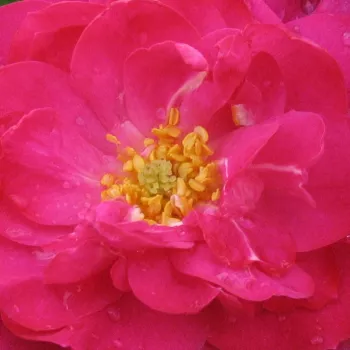
Flower morphology Produces medium-sized, semi-double, cup-shaped clusters with 13–25 petals, opening flatter with age; remontant habit gives a strong early flush followed by lighter repeat flowering through the season.
Colour data and phenology Deep pink blooms with a purplish undertone; buds open crimson-fuchsia then age through deep orchid pink to powder pink, with faster fading in strong sun but generally good colour retention in typical UK light.
Fragrance and aroma Delicately rose scented with mild strength, giving a subtle background aroma rather than a powerful perfume; semi-double form offers partial pollen access, adding light sensory interest around paths or seating.
Hip characteristics Occasionally forms small, ellipsoid hips around 10–14 mm in diameter, coloured orange-red, adding modest late-season ornamental value without significantly increasing maintenance or pruning complexity.
Resistance and winter hardiness Extremely hardy (approximately down to −40 °C; RHS H7, USDA 3a) but only moderate resistance to black spot and mildew and very susceptible to rust, so regular monitoring and plant protection are recommended.
Horticultural recommendations Best on pergolas, fences or walls at 150–240 cm spacing; tolerates partial shade and heat with watering in drought; own-root form suits long-term garden use where renewal from the base may be desirable.

JOHN CABOT offers long-lived vertical colour, a durable own-root climbing framework and subtly scented blooms, making it a thoughtful choice if you seek dependable, structural beauty with manageable care needs.
Detailed product attributes

Product Identification Data

Product Name: JOHN CABOT – pink climbing rambler rose - Svejda
Product Type: eleanorROSE® ORIGINAL - 2-litre own-root potted rose
Cultivar Authenticity: Verified:04.09.2025
Cultivar Quality Rating: premium bronze
Item Number: [1444] 90-094 (14.02.2026) eleanorrose.co.uk

Name and Registration

Meaning of Cultivar Name: The name evokes John Cabot, the 15th-century Italian explorer who reached the shores of Newfoundland in 1497.
Original Trade Name: John Cabot
Current Trade Name: John Cabot Climbing rose Svejda
Rose Group: Rambler, Hybrid Kordesii.
Commercial Type: rambler, climbing rose
Commercial Group: Climbing rose
Exhibition Category: climbing rose trained for pergolas and wall systems
Collection: Climbing rose

Origin and Breeding

Initial Distributor: Agriculture Canada (Canada)
Introduction Year: after 1978
Breeder: Felicitas Svejda
Breeding Company / Institution: Agriculture Canada (Ottawa – Central Experimental Farm)
Breeding Year: Canada, 1969
Parentage: Rosa kordesii × (‘Masquerade’ × Rosa laxa)

Awards and Honours

Horticultural Ratings and Recommendations: RHS Award of Garden Merit
Competition and Show Awards: Royal Horticultural Society – Award of Garden Merit

Growth and Structural Characteristics

Height: 6.6-10.5ft (200-320 cm)
Spread: 3.9-6.6ft (120-200 cm)
Growth Habit: climbing
Foliage: The variety has dense foliage; the leaves are glossy and dark green.
Prickliness: densely thorned
Self-Cleaning Description: Some spent blooms will drop naturally, but it is advisable to remove the remainder.
Self-Cleaning Intensity: self-cleaning medium

Flower Morphology

Petal Count: 13-25
Flower Fullness: semi-double
Flower Shape: cup-shaped, flat when open
Flower Size: M (1,5-2,75 in)
Inflorescence Type: cluster-flowered
Colour Code: ARS code: DP RHS code: 58C (outer), 61B (inner)
Repeat Flowering: Remontant, its second flowering is not as abundant.

Colour Data and Phenology

Colour: pink
Flower Colour Description: The petals are an intense, saturated deep pink shade with a subtle purplish undertone.
Closed Bud: Uniform dark crimson-pink, slightly darker at the apex, with a velvety sheen.
Newly Opened Flower: The outer petals are bright fuchsia-pink, with finer pink striping inside.
Full Bloom: Dominant deep orchid-pink, with a paler glow in the centre.
Before Fading: The petals fade to a powder-pink, with a silvery tint at their edges.
Colour Fading Description: As the bloom opens the dark crimson and fuchsia pink fade to a deep orchid pink and then to powder pink; in strong sunlight the colour fades more quickly.

Fragrance and Aroma

Fragrance Strength: mild, subtly scented rose
Fragrance Character: delicately rose scented
Pollinator Attraction: Its semi-double flowers and low fragrance make it only partially attractive to pollinators, because the semi-double form and reduced accessibility of the stamens limit visits by pollinating insects.
Pollinator-Friendly Rating: Considered partially pollinator-friendly because of its semi-double flowers

Hip Characteristics

Hip Shape: ellipsoidal
Hip Colour: orange-red
Hip Comment: An occasionally produced, 10–14 mm-diameter, ellipsoid, orange-red ornamental rose hip.

Resistance and Hardiness

Hardiness (°C): -40–-37 °C
Heat and Drought Tolerance Description: Tolerates heat well; requires watering during prolonged dry periods.
Disease Resistance: susceptible
  • powdery mildew – moderate
  • black spot – moderate
  • rust – very susceptible

Horticultural Recommendations

Recommended Planting Distance: for mass planting 160 cm, for hedging 150 cm, as a solitary specimen 240 cm
Planting Density: in square planting 0,4 plants/m², in hexagonal layout 0,5 plants/m²
Partial Shade Tolerance: suitable for partial shade
Maintenance Requirement: Maintenance requirement high; low disease resistance means regular plant protection is required, particularly against rust.
Primary Uses: climbing, pergola, fence, wall, park, solitary specimen

Comments

Strengths: Style in the garden – Value-based choice
Companion Plants: Echinacea 'Big Kahuna' - coneflower Liatris spicata 'Alba' - blazing star Campanula carpatica - Carpathian bellflower
Comment: -
JOHN CABOT – pink climbing rambler rose - Svejda
The petals are an intense, saturated deep pink shade with a subtle purplish undertone. - rambler, climbing rose - mild, subtly scented rose - delicately rose scented
Online rose order - pink - John Cabot - rambler, climbing rose - (6.6-10.5ft (200-320 cm))
Inflorescence: cluster-flowered Height: 6.6-10.5ft (200-320 cm) Flower shape: cup-shaped, flat when open Winter hardiness: 6b pink - Agriculture Canada (Canada) rambler, climbing rose - Flower size: M (1,5-2,75 in) Flower size: M (1,5-2,75 in) - Height: 6.6-10.5ft (200-320 cm) Height: 6.6-10.5ft (200-320 cm) - Flower fullness: semi-double John Cabot - Roses in the garden | eleanorROSE® Original - premium bronze Felicitas Svejda

We showcase the external appearance of the roses available for online purchase from our webshop.


Which product type is right for you?


Information

In what condition do we send the rose from our online webshop?

Let us ask ourselves the question: What would I like to use the rose for?
Flower? - Location? - Screening? - Fragrance? - Height? - Breeder? - Rose hip?

Information on buying roses
Methods of payment - Delivery costs - Delivery - Complaints handling

Care guide

Our product is a rose grown with pharmaROSA®’s unique cultivation technology!

2-litre, own-root, potted rose.
With a shoot system appropriate to the season.
With a root system that thoroughly permeates the growing medium.
Quality compliant with the requirements of the E.N.A. (European Nurserystock Association).
Supplied in unique packaging that prevents damage.
Can be planted during frost-free periods.

True-to-variety rose bush with a unique identifier.

The pharmaROSA® own-root potted rose is a well-rooted plant that supports reliable establishment when planted and cared for properly, so it can be planted whenever the soil is not frozen.


Crop overview: several varieties and growth stages in a short crop section.
Shoot system: intensive growth of fresh basal shoots on a young plant.
Root system: demonstration of a vigorous root system permeating the growing medium, by removing the pot.
Balance: mature plant with root system and shoots in harmony with each other.

Information about the videos
The video series is not a “seasonal showcase”; it illustrates the essence of pharmaROSA® own-root cultivation in a tangible way: how the plant is built up, what the root system is like and how the shoot system regenerates. The recordings were therefore made at different times and with plants at various stages of development, so mixed foliage levels and differing stages of growth may appear in the videos. They are not a ‘sample’ of the batch dispatched, but a visual explanation of how the technology works. The current condition of the rose available to order — typical for the given period and similar to what you can expect to receive in the parcel — is shown in the upper part of the product page.

pharmarosa.atpharmarosa.compharmarosa.depharmarosa.ropharmarosa.sipharmarosa.skpharmarosa.hrpharmarosa.itpharmarosa.frpharmarosa.grpharmarosa.bepharmarosa.dkpharmarosa.nlpharmarosa.iepharmarosa.plpharmarosa.lupharmarosa.ptpharmarosa.espharmarosa.bgpharmarosa.ltpharmarosa.sepharmarosa.lvpharmarosa.eepharmarosa.fipharmarosa.rudarinarose.co.ukpharmarosa.cz

Product types

Pages for private customers
Garden roses for the family garden, with minimal care  → ORIGINAL®
Premium garden roses – instant impact, a truly showpiece garden  → EXTRA®
Pages for professionals and private customers
Roses for public spaces – large areas, sustainable maintenance  → NATURAL®
Roses for projects – hedge and row planting, fast implementation  → RAPID®
For professional partners only
Production – propagation material for garden roses, wholesale  → NEONATAL®

Company details

PharmaRosa Ltd.
Company registration number: 01-09-717479
VAT number: 13075314-2-43
Plant health registration no.: HU130721
Bank account (IBAN):
HU85117631891388688400000000
BIC (SWIFT): OTPVHUHB
Bank name: OTP Bank Nyrt.