JACQUES CARTIER – pink historical perpetual hybrid rose - Desprez
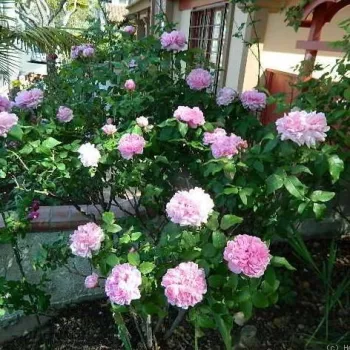
Step off the pavement into a quietly perfumed front garden and you meet Jacques Cartier, a compact heritage rose that feels instantly at home in small urban spaces while coping gracefully with heavy rain and brisk coastal breezes. Its strongly scented, fully double blooms create a gently romantic focus with surprisingly low upkeep, and the healthy foliage keeps its shape without complex spraying routines. As an own‑root plant it builds longevity and resilience over time, maturing steadily in your soil for a dependable display. Think of it as a patient investment: in year one it concentrates on roots, year two brings confident shoots, and by year three you enjoy its full ornamental presence in the border. Whether you garden in partial shade beside a London terrace, or carve out a classic corner by a path, this mid‑pink rosette rose delivers lasting character and quiet, sustainable elegance.
Usage options
| Target area |
Reasoning |
| Small London front garden feature |
The bushy, moderate height and mid‑pink rosette blooms give instant period charm without overwhelming a compact plot, and its low maintenance needs suit time‑pressed householders who still want a classic focal point – ideal for the busy urban gardener. |
| Low‑effort cottage‑style border |
Reliable health and repeat flowering make it easy to weave into mixed borders with perennials, providing structure and colour while avoiding complicated spraying or pruning regimes that could put off newer gardeners – reassuring for the beginner rose enthusiast. |
| Part‑shaded side return or light shade corner |
Proven tolerance of partial shade allows planting where many modern roses sulk, keeping those awkward, narrower city strips green and floriferous rather than paved over – encouraging for the space‑conscious homeowner. |
| Rain‑aware, clay‑soil front garden |
Once established on its own roots, the strong framework and disease resistance cope well with damp, heavier soils if drainage is considered, supporting those seeking greener alternatives to paving in moisture‑prone streets – supportive for the sustainability‑minded planner. |
| Fragrant path‑side planting |
The strong, long‑lasting perfume and medium flower size suit narrow path edges where people naturally brush past, recreating a traditional, post‑rain scent experience on the way to the front door – perfect for the scent‑loving visitor. |
| Own‑root long‑term garden investment |
Supplied on its own roots, the shrub can regenerate from the base after hard pruning or winter damage, building a stable shape and ornamental value over many years without graft‑related issues – attractive to the patient long‑view gardener. |
| Historic, low‑input park or communal bed |
The RHS Award of Garden Merit and robust disease resistance mean dependable performance in less intensively managed beds, where reliability and heritage atmosphere matter more than constant fine‑tuning – practical for the light‑touch groundskeeper. |
| Romantic cut‑flower and patio container rose |
Its exhibition‑worthy, very double blooms make charming, scented indoor stems, and in a 40–50‑litre peat‑free container with regular watering it offers a flexible option where ground planting is limited – appealing to the balcony and container gardener. |
Styling ideas
- Terrace‑Welcome – Pair Jacques Cartier with low lavender and nepeta in a narrow front bed to frame the path in scent and soft pinks – ideal for urban homeowners wanting instant kerb appeal.
- Heritage‑Border – Set among sage, hardy geraniums and soft grasses for a loose, cottage look that flowers over a long season – suited to families turning lawn edges into wildlife‑friendly borders.
- Rain‑Garden – Combine with moisture‑tolerant perennials and a permeable gravel strip so runoff soaks into planting rather than paving – for city gardeners re‑greening driveways sustainably.
- Period‑Patio – Grow one plant in a 40–50 litre clay pot with airy underplanting of thyme and dwarf honeysuckle to echo Victorian charm on balconies – perfect for renters wanting movable romance.
- Shaded‑Elegance – Use along a part‑shaded side path with white astrantia and ferns, letting the pink rosettes glow softly against foliage – ideal for those softening awkward, narrow passageways.
Technical cultivar profile
| Characteristic |
Data |
| Name and registration |
Historical Hybrid Perpetual / Portland rose grown under the trade name Jacques Cartier, also listed as a heritage rose selection; exhibition name recognised by the American Rose Society. |
| Origin and breeding |
Bred in France by Jean Desprez around 1842, introduced as ‘Jacques Cartier’ in 1868; exact parentage is unknown, but it represents the classic perpetual hybrid group. |
| Awards and recognition |
Holds the Royal Horticultural Society Award of Garden Merit (1993), indicating consistent performance, garden reliability and ornamental quality under typical UK growing conditions. |
| Growth and structural characteristics |
Bushy shrub 100–150 cm high and 80–120 cm wide, with moderately dense, mid‑green glossy foliage and moderate prickliness; forms a rounded, balanced outline with age. |
| Flower morphology |
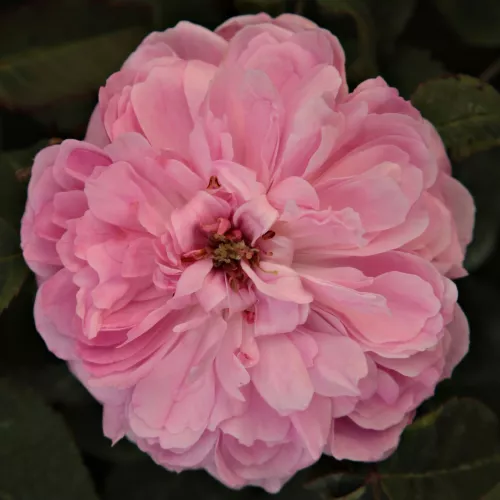
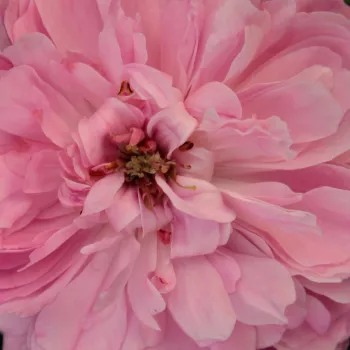
Medium‑sized, very double, rosette‑shaped blooms with 40+ petals, usually borne singly; remontant with a good first flush and a lighter but noticeable repeat later in the season. |
| Colour data and phenology |
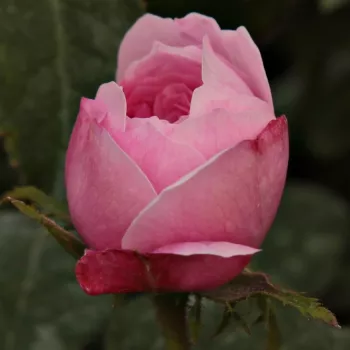
Pure mid‑pink, ARS mp, RHS 65C–65D; buds open deep pink, fading to shell‑pink and paler edges, with cooler weather bringing a slightly silvery sheen and richer overall tone. |
| Fragrance and aroma |
Strong to very strong, long‑lasting perfume typical of old roses; fragrance character data are limited, but it is widely grown specifically for its notable scent in gardens. |
| Hip characteristics |
Hip production is limited due to the highly double flower form, but occasional small, ellipsoidal red hips 12–18 mm in diameter may form late in the season. |
| Resistance and winter hardiness |
Rated RHS H7 and hardy to approximately −26 to −23 °C; good resistance to black spot, powdery mildew and rust, performing reliably in typical UK winters. |
| Horticultural recommendations |
Suited to borders, specimen planting, parks and cutting; prefers well‑drained, fertile soil, benefits from deadheading, and tolerates partial shade with low ongoing maintenance needs. |
Jacques Cartier offers strongly scented, repeat mid‑pink blooms on a healthy, long‑lived own‑root shrub that settles in reliably over the years; an easy, heritage‑rich choice if you value fragrance and quiet resilience.