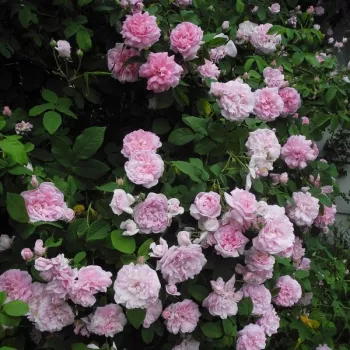
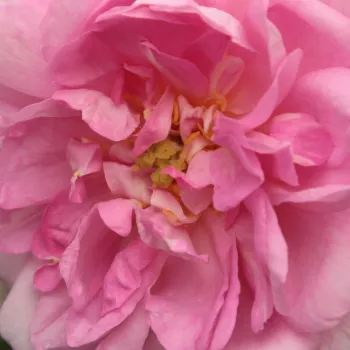
Ispahan – pink historic Damask rose
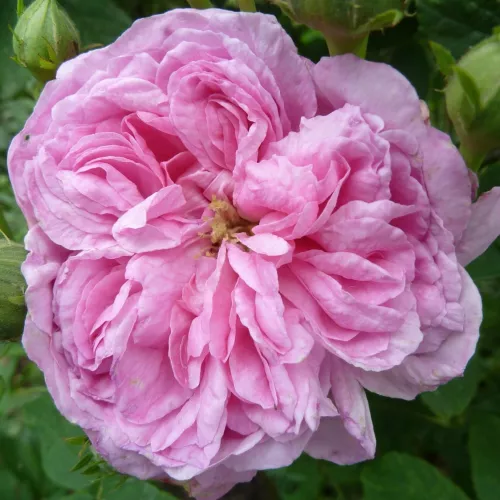
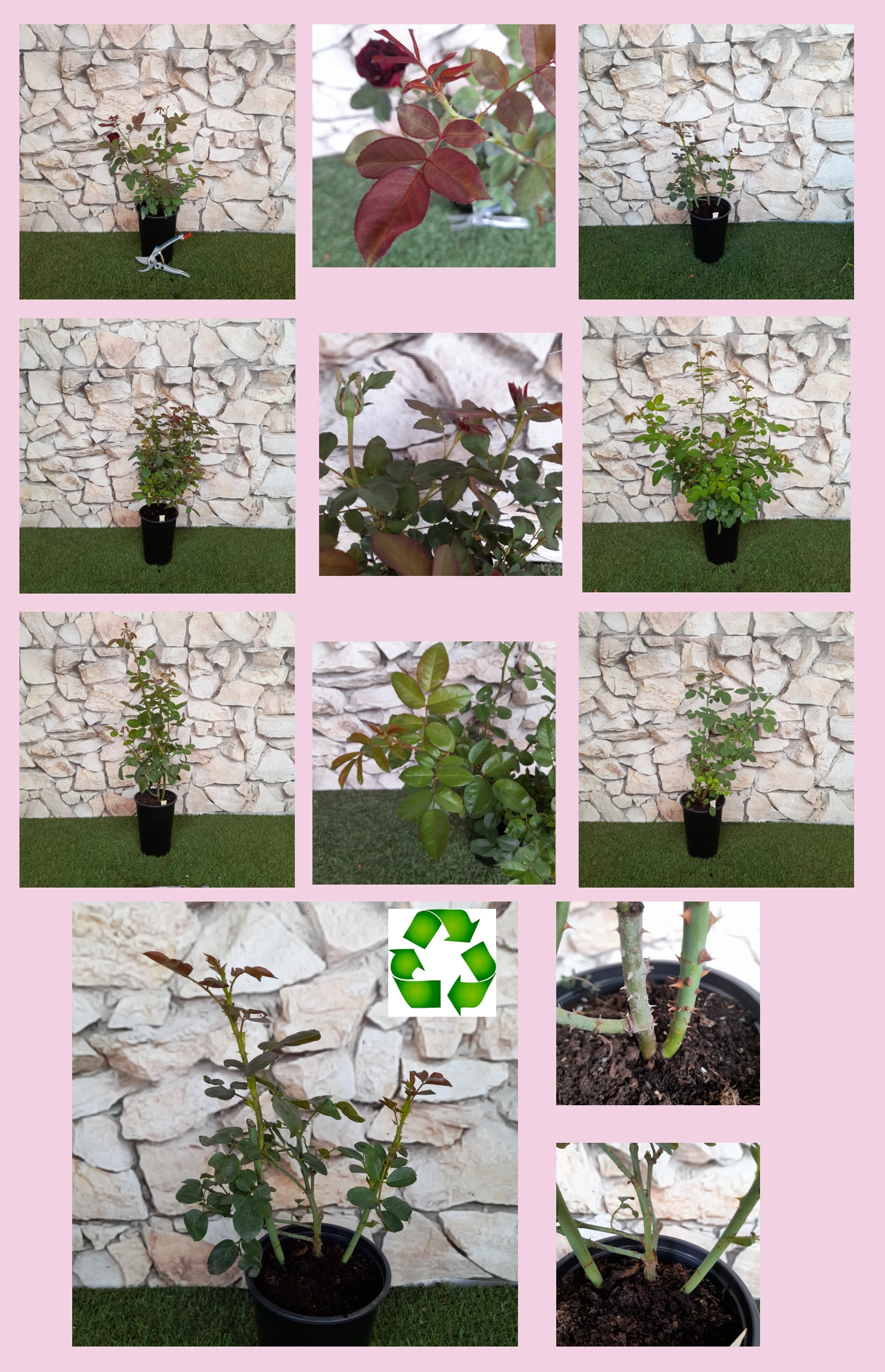
Step out to the front gate after rain and you are met by damask perfume from Ispahan’s soft pink rosettes, a heritage shrub that thrives even in breezy, wetter gardens with challenging drainage and shifting climate patterns. This classic Damask forms a tall, bushy, gently arching hedge with character and a softly matt, grey-green foliage backdrop that keeps its presence all season, even after flowering. Once-blooming, it repays simple pruning and light feeding with a single, lavish summer display of tightly packed petals that age from warm pink to near silk white with a powder-pink edge, creating a long, evolving display. As an own-root rose it builds strength from the ground up, promising long-term stability and reliable regrowth if stems are damaged, an advantage in busy urban plots where watering and care are sometimes irregular. In a 2-litre container-grown format it is straightforward to establish; plant into improved, well-drained soil and let Year 1 focus on roots, Year 2 on shaping shoots, and by Year 3 you enjoy full ornamental presence and that unmistakable, room-filling fragrance drifting along your narrow front path.
Usage options
| Target area | Reasoning |
|---|
| Front-garden statement shrub |
Planted as a single specimen near a doorway or garden gate, Ispahan’s tall, bushy habit and pastel-pink rosettes deliver a romantic focal point with very strong fragrance during its long early-summer flush, ideal for a compact London terrace entrance for the beginner. |
| Low-maintenance flowering hedge |
At typical hedging distances it forms a gently arching, moderately dense screen, offering privacy and a soft green boundary that needs only light annual trimming, while sparse prickles and self-cleaning flowers reduce fiddly maintenance for the family. |
| Rainwater-aware clay or chalk border |
Once established in improved clay or lighter chalky soils, this heritage shrub copes well with the UK’s mix of wet spells and breezy conditions, making it suitable where you are managing runoff and heavier ground in a small urban plot for the homeowner. |
| Own-root, long-lived backbone rose |
Supplied as an own-root shrub, Ispahan gradually builds a resilient framework that can regenerate from the base if stems are cut back hard or winter-damaged, helping you keep a consistent look over many years in a family garden for the planner. |
| Easy-care heritage rose border |
Medium maintenance needs mean that, beyond an annual tidy and occasional health check, this rose largely looks after itself, rewarding basic care with abundant once-a-year flowering and handsome foliage that suits time-poor urban gardeners for the busy. |
| Cutting garden for fragrant stems |
The very full, rosette-shaped blooms are borne in clusters on strong stems, so you can cut them at different opening stages for vases filled with old-rose charm and deep damask scent, creating a seasonal highlight indoors for the collector. |
| Partially shaded side return |
Tolerant of partial shade, Ispahan fits the typical side alley or shared path between terraced houses, where it still flowers generously, and the tall, upright-bushy form makes good use of vertical space without demanding constant attention for the neighbour. |
| Resilient, heat-tolerant urban planting |
Its good tolerance of heat and moderate drought, given an occasional deep soak during prolonged dry spells, suits front gardens where paving reflects warmth and watering is linked to collected rainwater, useful under increasing summer extremes for the sustainability-minded. |
Styling ideas
- Terrace-Threshold – Flank a narrow front path with a single Ispahan underplanted with low lavender and thyme for scent at ankle and nose height – ideal for small-city homeowners seeking maximum atmosphere from one main shrub.
- Heritage-Hedge – Plant a loose hedge of Ispahan along a front boundary and weave in nepeta and sage at the base to soften the line – suited to families wanting privacy with a soft, traditional English character.
- Rain-Garden – Position Ispahan near a downpipe-fed gravel swale, adding moisture-tolerant perennials in front to handle runoff while the shrub provides structure – good for urban gardeners managing rainwater responsibly.
- Courtyard-Focus – Use a single plant in a 50-litre or larger container, with trailing herbs spilling over the rim to frame its once-a-year display – perfect for balcony or paved-yard spaces without planting beds.
- Side-Path-Arcade – Stagger plants along a side return, allowing their arching branches to lean slightly inward with airy companions like ornamental grasses – for those wanting a soft, immersive walk-through effect in tight spaces.
Technical cultivar profile
| Parameter | Data |
|---|
| Name and registration |
Ispahan is a historic Damask shrub rose from the Heritage rose collection, traded as Ispahan – pink historic Damask rose; not formally registered, but recognised under this long-standing cultivar name. |
| Origin and breeding |
Probably selected naturally from Rosa × damascena populations; origin and breeder are unknown, with early references from 1827 and wider commercial introduction around 1832 into European gardens. |
| Awards and recognition |
Holds the RHS Award of Garden Merit (1993), American Rose Society Dowager Rose Queen (1998), Longwood Gardens Certificate of Merit, and Montréal Botanical Garden “highly disease-resistant” designation (1998). |
| Growth and structural characteristics |
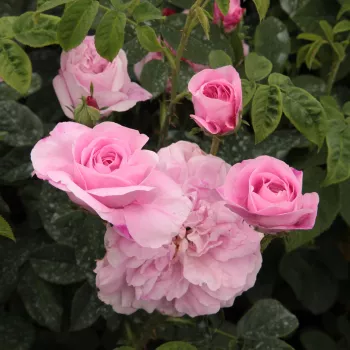
Tall, bushy shrub 160–220 cm high and 130–180 cm wide, with moderately dense, grey‑green, matt foliage, sparsely thorned stems and a relaxed, arching outline suited to hedges, specimens and informal shrub borders. |
| Flower morphology |
Very full, rosette-shaped, small flowers with 40+ petals, produced in clusters during a single abundant summer flush; self-cleaning is medium, with most spent blooms falling naturally and some light deadheading helpful. |
| Colour data and phenology |
Warm pink blooms, ARS MP, RHS 65C–65D, opening clear light pink, then fading to pale, silk-like white with soft powder-pink edges; colour persists longer in cooler conditions and washes out more quickly in strong sun. |
| Fragrance and aroma |
Very strong, classic Damask fragrance with rich, deep rose notes that easily fills a small to medium garden; primarily valued for its perfume and nostalgic atmosphere rather than for pollinator forage. |
| Hip characteristics |
Hip set is generally low because of the very double blooms, though occasional ellipsoidal, orange-red hips 15–22 mm across may form, adding modest late-season interest without dominating the shrub’s appearance. |
| Resistance and winter hardiness |
Hardy to approximately −32 to −29 °C (RHS H7, USDA 4b, Swedish zone 5), with medium resistance to powdery mildew and black spot, good rust resistance, and good tolerance of heat and moderate summer drought. |
| Horticultural recommendations |
Best as specimen, hedge or park shrub at 130–210 cm spacing; prefers well-drained soil improved on heavy clay, tolerates partial shade, and benefits from occasional plant protection and deep watering in long dry spells. |
Ispahan offers a tall, graceful hedge or specimen with sumptuous once-a-year blossoms and powerful fragrance, and as an own-root shrub it builds long-term garden structure with reassuring resilience, well worth considering for your next planting choice.