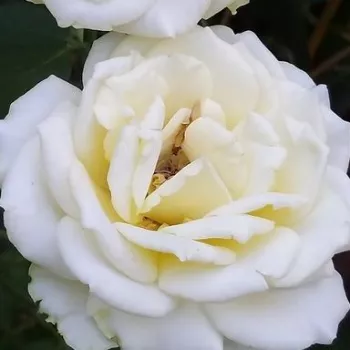
ISABELLE JOERGER – pastel yellow hybrid tea rose
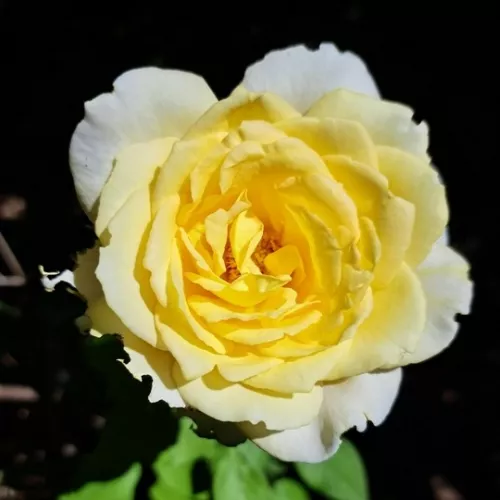
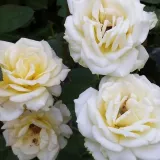
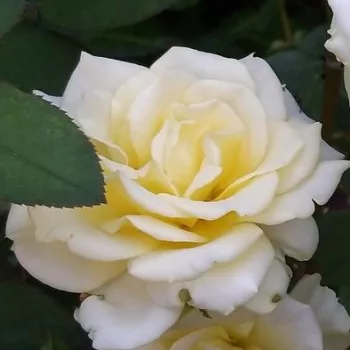
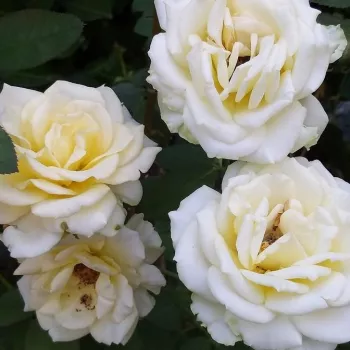
Step out after rain along your front path and meet balance in the softly glowing blooms of ISABELLE JOERGER, a pastel-yellow hybrid tea designed for effortless elegance in compact, urban spaces. Its erect, uniform habit and glossy dark foliage create a tidy structure that sits beautifully in small London front gardens, coping reliably with blustery showers and heavier soils in a way that supports thoughtful drainage choices. Semi-double, high‑centred flowers bring the poised look of a cut rose directly into your borders or large containers, while a gentle, sweet‑fruity fragrance and bee visits add a quiet sense of life. Grown on its own roots in a 2‑litre pot, this rose establishes steadily for long-term resilience, settling in with strong roots in the first year, confident new growth in the second, then full ornamental presence from the third – ideal if you want lasting simplicity rather than high-maintenance gardening.
Usage options
| Target area |
Reasoning |
| Front garden focal point |
Use as a single specimen by your front door or along a short path, where its pastel-yellow, high‑centred blooms read clearly from the pavement and the balanced, erect habit keeps the space looking ordered for appearance-conscious urban homeowners. |
| Compact flower bed in family garden |
Plant in a small mixed border with a 60–90 cm spacing to build a calm, uniform structure; the dense, glossy foliage provides a reliable green backdrop that still looks good between flushes for busy gardeners who prefer low-fuss, stable displays. |
| Large container on balcony or patio |
Grow in a minimum 40–50 litre peat‑free container so roots stay cool and moist, making it easier to manage watering with collected rainwater while enjoying cut‑rose style blooms close to seating areas, ideal for balcony and patio rose enthusiasts. |
| Cut flower and home arrangements |
Harvest the high‑centred, pointed buds just before they open fully for elegant indoor vases; the long, straight stems and semi‑double form echo exhibition hybrid teas yet remain accessible for informal home arranging by occasional flower‑cutters. |
| Rain‑aware urban front garden |
Combine with permeable gravel, small planting pockets and drought‑tolerant companions so that sudden downpours soak away while the rose maintains a neat, upright outline that copes well with frequent rain and wind in exposed, city‑street situations. |
| Pollinator‑friendly mixed planting |
Interplant with lavender, sage or nepeta so bees and butterflies drawn to these companions will also visit ISABELLE JOERGER’s semi‑double blooms, giving a modest but welcome nectar contribution for environmentally minded beginners. |
| Long‑term garden framework |
Rely on the own‑root habit to renew growth from the base after pruning or winter damage, helping the plant remain true to type and ornamental year after year for homeowners seeking durable plantings. |
| Structured planting on heavier soils |
Set into improved but moisture‑retentive clay or chalk, where its erect, medium‑tall habit and moderate disease resistance create a tidy, vertical rhythm; this suits those designing simple, repeatable planting for small-gardeners. |
Styling ideas
- Soft-Pastel Border – pair with Geranium ‘Rozanne’ and blue fescue to blur its lemon-cream blooms into a haze of blue and silver – for relaxed family gardeners who like gentle, romantic colour.
- Front-Door Welcome – plant two roses in matching large pots flanking the entrance, underplanted with low thyme for a neat yet fragrant threshold – for terrace homeowners wanting an elegant, ordered look.
- Rainwise Gravel Strip – set ISABELLE JOERGER in a permeable gravel bed with nepeta and small grasses so rainfall soaks away while the rose provides vertical focus – for urban owners managing runoff near pavements.
- Cutting-Corner Patch – create a sunny, narrow bed with three plants in a row for regular cutting, backed by Phormium ‘Tom Thumb’ for contrast – for hobby florists seeking reliable stems without specialist knowledge.
- Calm-Balanced Hedge – line a low boundary with evenly spaced plants to form a soft, pastel, shoulder‑height screen – for those wanting privacy with a tidy, symmetrical appearance rather than a dense shrub hedge.
Technical cultivar profile
| Parameter |
Data |
| Name and registration |
Hybrid tea rose; registered as BARmarisa, traded as Isabelle Joerger Hybrid tea rose BARmarisa; own‑root 2‑litre container form for private gardens and decorative front spaces. |
| Origin and breeding |
Bred by René Barth of Roseraies Barth, France; introduced in 2016 with unknown parentage; developed as an elegant hybrid tea suitable for garden and cutting use in temperate European climates. |
| Growth and structural characteristics |
Erect, medium‑tall plant reaching about 80–110 cm high and 50–70 cm wide; dense, dark green glossy foliage; moderate prickles, forming a tidy, vertical shrub suited to small beds, low hedging and containers. |
| Flower morphology |
Semi‑double, high‑centred, pointed‑bud, cut‑rose type blooms, usually solitary on stems; large flower size with 13–25 petals; remontant, with an abundant second flush following the main early‑summer flowering. |
| Colour data and phenology |
Pale creamy‑yellow overall, with a warmer lemon‑yellow centre that gradually fades to cream‑white; outer petals often near white at full openness; colour retention is good, with gentle, even fading rather than strong discolouration. |
| Fragrance and aroma |
Mild, sweet‑fruity scent noticeable at close range, especially in still, warm weather; not overpowering near doors or seating, but sufficient to add a light perfume to patio areas and small indoor cut‑flower arrangements. |
| Hip characteristics |
Hip set is generally low due to semi‑double flowers and regular deadheading; where allowed, occasional small ellipsoidal orange‑red hips 10–14 mm across may form as a discrete late‑season accent. |
| Resistance and winter hardiness |
Hardy to about −21 to −18 °C (RHS H7; Swedish zone 3; USDA 6b); disease resistance is moderate to black spot, mildew and rust, benefiting from good air movement and standard garden care in humid, urban locations. |
| Horticultural recommendations |
Best in full sun with fertile, well‑drained soil; prefers regular watering until established, after which moderate drought tolerance applies; plant 50–90 cm apart depending on use; suitable for beds, low hedges, containers and cutting. |
ISABELLE JOERGER offers elegant pastel blooms, a tidy upright habit and dependable own-root longevity, making it a thoughtful choice for easy-care urban gardens and small family plots where you prefer roses that quietly earn their place.