GREEN ICE – dwarf-mini rose for small, sustainable spaces
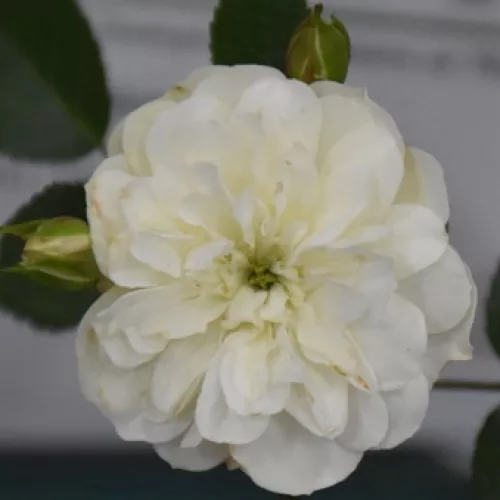
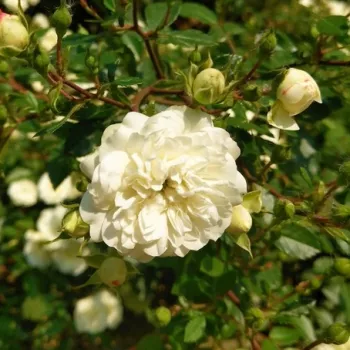
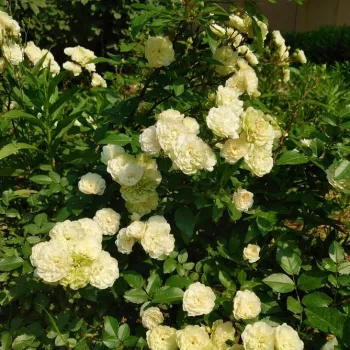
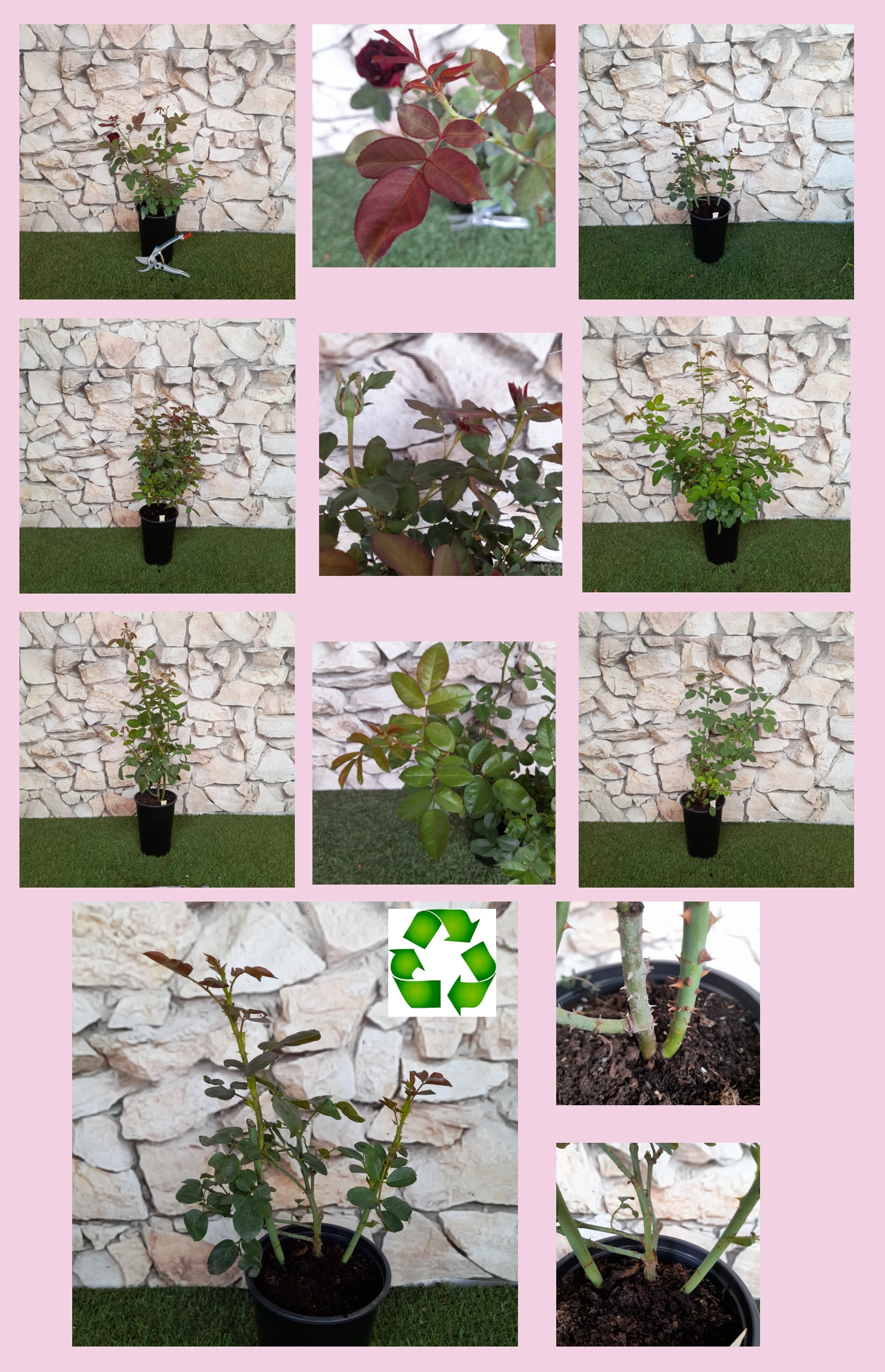
Step into a post-shower London front garden where Green raindrops cling to glossy foliage and clusters of Icy rosettes glow in soft white and pastel green, bringing calm Balance to compact spaces and rainwater-conscious planting beds that cope well with coastal wind and wet conditions. This neat, spreading miniature rose keeps flowering in generous Waves, its small double blooms self-cleaning so you rarely have to deadhead, while the dense, low habit naturally softens paving, gravel and edging for an instantly Finished look. Own-root stock means it settles in reliably, regenerates after harder pruning and offers a long-lived, stable Structure in small city gardens and larger schemes alike. Tuck it into clay-improved borders or sizeable containers, and over the first few seasons you will notice roots establishing, then shoots building shape, and by the third year a fully developed Display anchoring your front garden’s Character.
Usage options
| Target area |
Reasoning |
| Small front garden edging |
The compact, spreading habit (around 40–50 cm high and 70–90 cm wide) creates a low, evergreen-looking edge that softens paths and drives without blocking sightlines, ideal for tidy family front gardens and busy homeowners. |
| Rainwater-friendly city border |
Dense foliage and a ground-hugging form help slow and break rainfall across the soil surface, pairing well with permeable gravel or clay-improved beds that handle frequent showers and blustery weather for sustainability-minded urbanites. |
| Easy-care balcony or terrace container |
Its miniature size and self-cleaning flowers suit large 40–50 litre pots, giving a long flowering season with minimal deadheading or pruning, particularly attractive for time-poor beginners. |
| Pollinator-supporting mixed planting |
When fully open the double blooms reveal accessible stamens, offering some forage between other nectar-rich perennials, so a group of plants becomes a gentle resource for bees and hoverflies and eco-aware gardeners. |
| Family-friendly low-maintenance strip |
Good self-cleaning and moderate disease tolerance reduce the need for constant spraying or grooming, supporting a robust, long-lived planting that still looks refined for practical yet style-conscious families. |
| Long-term own-root groundcover |
As an own-root rose it re-shoots reliably from the base, avoiding graft problems and building a durable mat of stems and foliage that can be refreshed by periodic harder pruning, suiting forward-planning owners. |
| Underplanting for shrubs or small trees |
Tolerating partial shade, this miniature rose spreads under open-canopy shrubs, filling awkward gaps with a carpet of glossy leaves and icy blooms while competing reasonably well in established borders for inventive planners. |
| Hanging basket and wall troughs |
The variety’s cascading, cluster-flowering habit suits baskets and troughs, where the small rosettes spill over edges and repeat through the season, giving a delicate, feminine effect appreciated by “girly” style-focused designers. |
Styling ideas
- Front-row – Line a narrow London terrace front bed with GREEN ICE and lavender for a soft, perfumed edge – ideal for busy homeowners wanting instant kerb appeal.
- Basket – Combine GREEN ICE in a hanging basket with trailing nepeta and soft grasses – perfect for balcony gardeners seeking movement and subtle colour shifts.
- Pastel – Weave GREEN ICE among pale pink dwarf roses and silvery sage – suited to those favouring a gentle, romantic “girly” scheme.
- Modern – Plant GREEN ICE in a single large 50 litre pot with charcoal gravel mulch – great for minimalists wanting clean lines with a sustainable twist.
- Meadow-edge – Blend GREEN ICE with threadleaf coreopsis and compact switchgrass – attractive for nature-friendly gardeners who like airy, pollinator-aware plantings.
Technical cultivar profile
| Parameter |
Data |
| Name and registration |
Miniature rose marketed as GREEN ICE, a mini–dwarf garden and exhibition variety by Moore; sold here as an own-root eleanorROSE ORIGINAL 2-litre container-grown plant. |
| Origin and breeding |
Bred by Ralph S. Moore at Sequoia Nursery, Visalia, California, from (Rosa wichuraiana × ‘Floradora’) × ‘Jet Trail’; introduced and registered in the United States in 1971. |
| Awards and recognition |
Holder of a Certificate of Merit in New Zealand trials (1973) and later inducted into the American Rose Society Miniature Rose Hall of Fame in 2001 for lasting garden merit. |
| Growth and structural characteristics |
Low, spreading shrub about 40–50 cm high and 70–90 cm across, slightly thorny, with dense, dark green glossy foliage and a compact, groundcover-like habit suited to edging and containers. |
| Flower morphology |
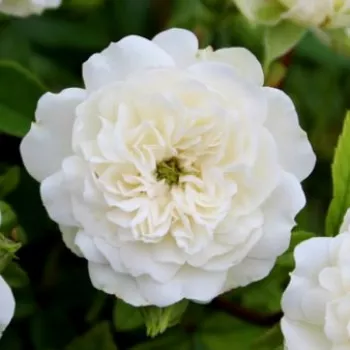
Small, double cup-shaped blooms with 26–39 petals, produced in clusters across the plant; remontant, with a particularly abundant second flush and good natural self-cleaning of spent flowers. |
| Colour data and phenology |
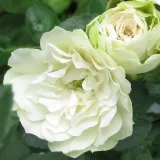
Flowers open white with a powdery green centre veil; in cool weather a stronger green tint develops, while in heat they appear whiter, with colour generally stable and only moderate fading. |
| Fragrance and aroma |
Fragrance is very weak, with just a delicately sweet impression at close range; chosen more for its visual freshness and textural effect than for scented garden roles or cut flower use. |
| Hip characteristics |
Occasionally forms small spherical hips, about 5–7 mm across, coloured orange-red; hips are scattered rather than abundant and mainly of incidental ornamental or wildlife interest in autumn. |
| Resistance and winter hardiness |
Hardy to approximately –26 to –23 °C (RHS H7, Swedish zone 4, USDA 5b); disease resistance is medium, with average tolerance of black spot, powdery mildew and rust in typical garden conditions. |
| Horticultural recommendations |
Best in well-drained soil with regular watering in dry spells; suitable for borders, edging, groundcover, containers and hanging baskets, planted at 50–55 cm spacing or as a 90 cm specimen. |
GREEN ICE offers compact groundcover habit, repeat flowering, and resilient own-root longevity that settles calmly into sustainable family gardens and balconies; consider it if you prefer subtle beauty with relatively low maintenance.