GESCHWINDS ORDEN – purple-pink historic old garden rose - Geschwind
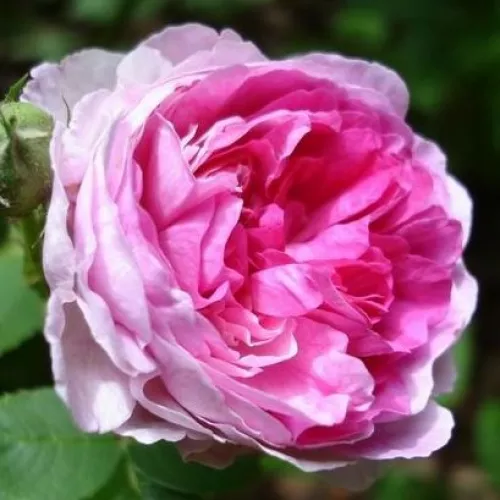
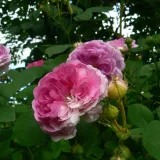
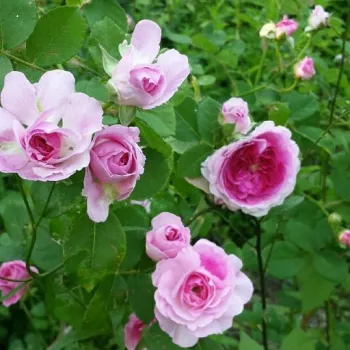
Step out after summer rain and let the climbing grace of GESCHWINDS ORDEN lend a sense of quiet balance to your London front garden. This heritage rose brings tall, arching structure for fences, arbours and façades, clothing supports with dusky, old-fashioned rosettes. Once a year it offers a generous cascade of mauve-crimson blooms that slowly wash to silvery, dusty pink, giving weeks of changing interest in even compact, rain‑soaked plots with persistent moisture and heavy soil. Planted as an own‑root rose it develops dependable longevity, rebuilding from the base after pruning and weather stress. Over its first seasons it quietly prioritises rooting, then extends vigorous shoots, before settling into full ornamental character as a long-lived, sustainable garden companion.
Usage options
| Target area | Reasoning |
|---|
| Front-garden climber for London terraces |
Ideal where ground space is tight but height is available: GESCHWINDS ORDEN can be trained up railings or a narrow trellis, using vertical growth to add privacy and colour without crowding bins, bikes or paths. A thoughtful choice for the busy homeowner |
| Rain‑tolerant rose for heavy urban soils |
With species rugosa and multiflora in its background, this robust climber copes well where rain lingers and drainage is imperfect, offering reliable structure and flowers in small front gardens that see frequent showers and cool, damp air. Reassuring for the weather-conscious gardener |
| Pergola and arbour cover |
The tall, climbing habit and moderately dense foliage make it an excellent candidate for covering pergolas or simple timber arches, creating a shaded green tunnel of historic charm over family seating or a path. Especially appealing to the romantic traditionalist |
| Low‑maintenance heritage focal point |
Flowering once and then resting, this rose concentrates its energy into strong wood and long-term health, so you avoid constant deadheading and fiddly pruning while still enjoying a stately, historic presence each summer. Suits the time-pressed beginner |
| Own‑root, long‑life investment planting |
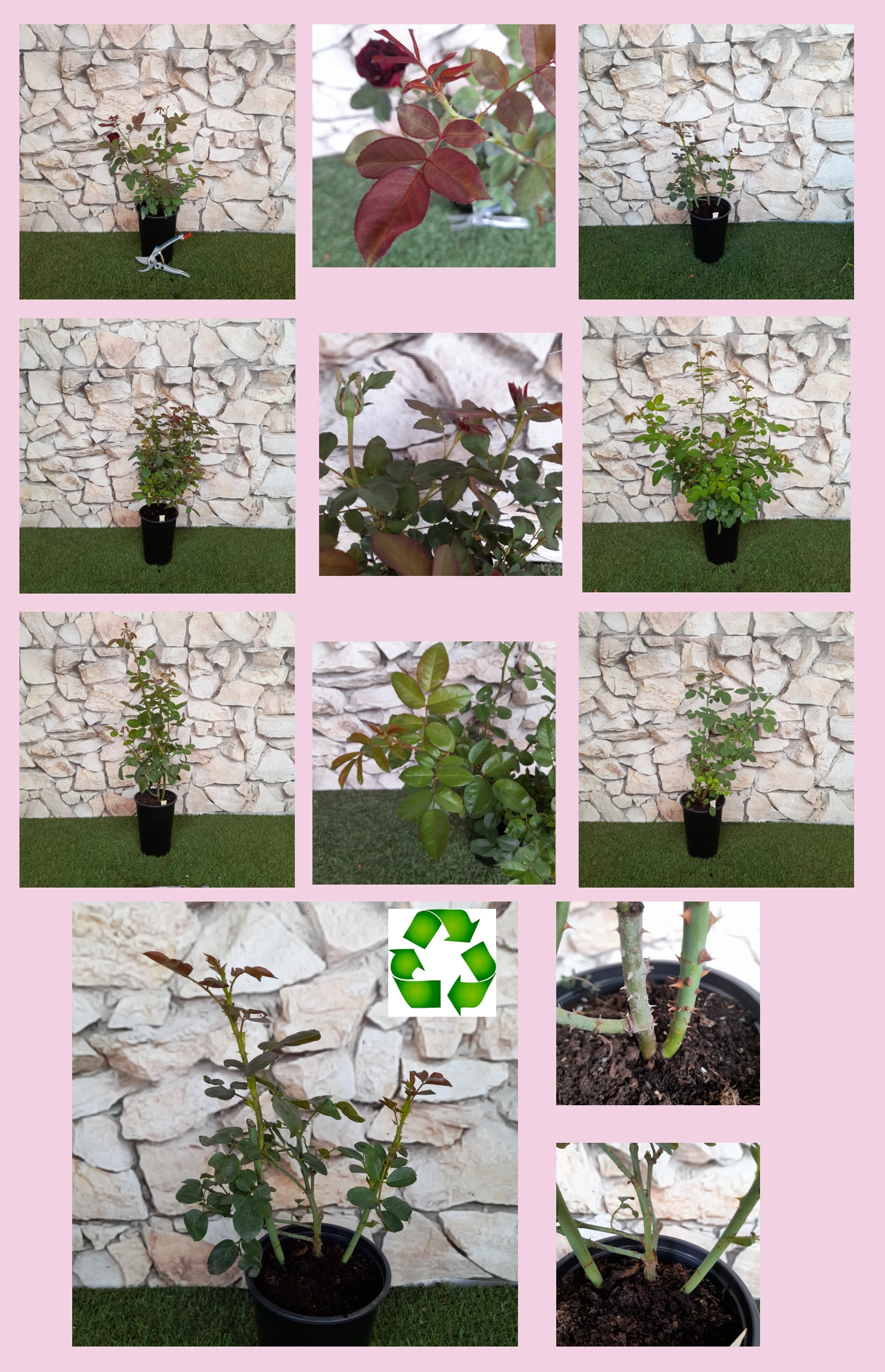
Supplied on its own roots, the plant does not depend on a graft point, so if stems are damaged by wind or winter, it can regenerate from the base, keeping its variety traits and ornamental value over many years. A wise option for the long-term planner |
| Family boundary or screen rose |
The substantial height and generous spread allow it to soften fencing and form a living screen around play areas, while the sparse prickles compared with many climbers make everyday access and maintenance less daunting. Reassuring for the family gardener |
| Period-style feature in sustainable designs |
As a genuine 19th‑century cultivar, it introduces authenticity to cottage and heritage schemes, pairing well with perennials and shrubs in peat‑free, mulch‑rich borders that favour resilience over high-input seasonal bedding. Well suited to the eco-conscious stylist |
| Large-container statement rose |
Given a stable support and a container of at least 40–50 litres with good drainage, this climber can frame balconies or small paved forecourts, allowing renters and townhouse owners to enjoy a historic rose without digging new beds. Perfect for the space-limited urbanite |
Styling ideas
- Victorian-porch – Train GESCHWINDS ORDEN up a wrought‑iron arch by a terraced-house door, underplant with lavender and nepeta in a gravel strip for soft scent and year-round structure – ideal for heritage-loving city dwellers
- Rain-garden – Place it at the back of a shallow, free-draining rain-collecting border, weaving through a fence while coneflowers and daylilies handle splashes below – for gardeners managing heavy downpours
- Family-screen – Let its tall, relatively sparsely thorned canes clothe a mesh panel beside a play lawn, blended with hardy sage and ornamental grasses for movement and privacy – suited to young families
- Historic-courtyard – Grow it in a 50‑litre half-barrel against brickwork, combining with potted herbs and old-style planters to echo 19th‑century charm in minimal ground space – perfect for flat and mews residents
- Evening-arbour – Cover a simple wooden arbour over a bench, add shade-tolerant perennials at the base and soft lighting to enjoy the once-a-year flush as a seasonal event – appealing to reflective, low-maintenance gardeners
Technical cultivar profile
| Parameter | Data |
|---|
| Name and registration |
Historical climbing rose from the Heritage rose collection; trade name GESCHWINDS ORDEN, also exhibited under the name Geschwinds Orden; unregistered cultivar used mainly in gardens and shows. |
| Origin and breeding |
Bred by Rudolf Geschwind in Hungary around 1880, introduced by Ketten Frères in 1885; pedigree combines Rosa rugosa, Rosa multiflora and Rosa rugosa ‘Alba’, giving hardiness and strong garden performance. |
| Growth and structural characteristics |
Strong, climbing habit reaching about 350–550 cm in height and 240–380 cm in spread; moderately dense, matt, dark green foliage on sparsely thorned canes, well suited to trellises, pergolas and boundary structures. |
| Flower morphology |
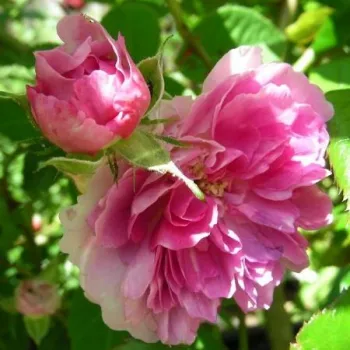
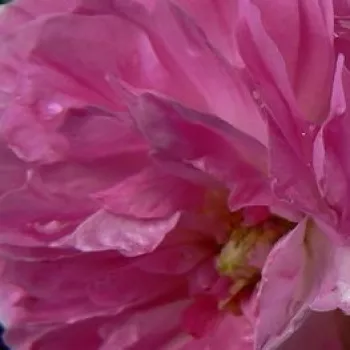
Medium-sized, very double rosette flowers with more than 40 petals, produced in clusters; once-flowering, providing a single generous summer flush rather than repeated blooming through the season. |
| Colour data and phenology |
Crimson-pink buds open with deep purplish-crimson centres and paler outer petals, then fade through silvery lilac-pink to dusty pale pink with whitish edges; colour retention moderate, offering a gentle, evolving display. |
| Fragrance and aroma |
Fragrance is very weak and barely noticeable, so the variety is chosen primarily for its visual historic character and colour play rather than strong scent, which may suit sensitive users or enclosed urban spaces. |
| Hip characteristics |
Fully double flowers limit fruiting; where pollination succeeds, it forms small, spherical orange-red hips about 10–14 mm in diameter, adding occasional late-season points of interest among the foliage. |
| Resistance and winter hardiness |
Hardy to around −37 to −34 °C (USDA zone 3b, RHS H7, Swedish zone 6); disease resistance medium to powdery mildew, black spot and rust, requiring occasional monitoring and standard rose care in humid conditions. |
| Horticultural recommendations |
Best trained on pergolas, fences or arbours at 180–330 cm spacing; prefers well-prepared soil with good drainage, benefits from annual pruning and mulching; use own-root 2-litre plants for stable, long-term garden impact. |
GESCHWINDS ORDEN offers a tall, once-flowering historic display with reliable hardiness and vertical structure, supplied on its own roots for durable regeneration, making it a thoughtful long-term choice for your family garden.