GÉNÉRAL KLÉBER – pink historic moss rose - Robert
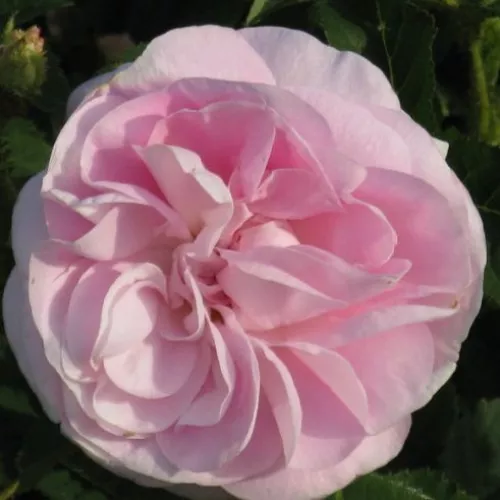
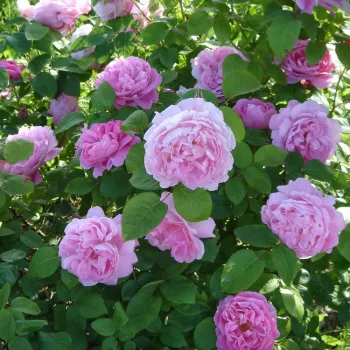
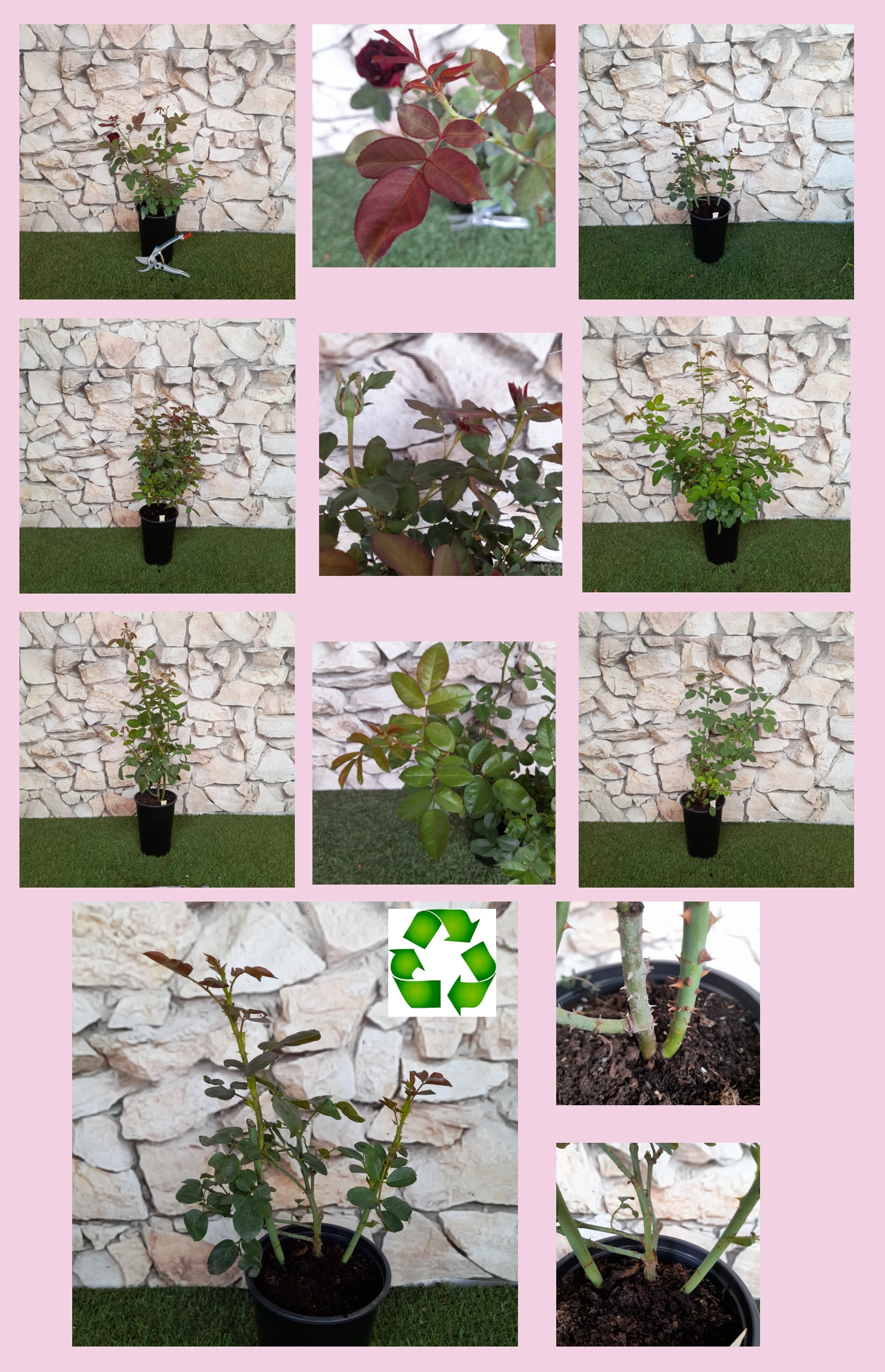
Step out to the front gate after rain and you will notice how this romantic moss rose brings an air of calm balance to even the smallest London terrace. GÉNÉRAL KLÉBER is a time-tested, nineteenth-century heritage shrub that feels surprisingly manageable in a busy modern life: one generous flush of lush, pastel-pink rosettes, then a season of handsome, light-green foliage that structures your planting with quiet stability. Its upright habit and medium maintenance needs suit family gardens where you prefer steady, reliable structure over constant chores, and its robust hardiness copes well with cool, damp air and heavier soils that need a little help with drainage after rain. Own-root plants build strength from below, giving you enduring longevity and the reassuring ability to regenerate if stems are damaged. In its first year it concentrates on roots, in the second on strong new shoots, and by the third year you enjoy full ornamental character. Use it as a sustainable, long-term feature in rainwater-conscious front gardens, accepting its once-flowering habit in return for deep fragrance and an authentic, old-rose presence.
Usage options
| Target area | Reasoning |
|---|
| Feature shrub in a London terrace front garden |
The upright, moderately dense shrub gives clear structure without overwhelming a narrow plot, suiting typical small front gardens where space is precious but a single, characterful rose can anchor the design for years to come; ideal for the thoughtful homeowner. |
| Low-maintenance, long-term family garden plan |
Once established, this historic moss rose settles into a predictable rhythm: one main flowering, followed by a season of tidy foliage, making it easy to manage around work and family life while still contributing to a coherent, long-lived planting; reassuring for the busy gardener. |
| Rainwater-friendly mixed border on heavier soils |
The deep, own-root system gradually improves its anchorage in clay or chalky loam, coping well with cool, damp conditions where drainage can be slow after persistent showers, so you can direct downpipe water to planting without constant worry; perfect for the climate-aware planner. |
| Heritage rose focal point in a sustainable scheme |
As a historical variety bred in 1856, it offers living continuity with traditional gardens while benefiting from modern own-root production, giving you a resilient, regenerating shrub that supports a low-input, long-horizon landscape; appealing to the heritage-minded collector. |
| Specimen rose beside a front path or doorway |
The strong, old-rose scent from large, very full blooms creates a memorable welcome when placed near entrances, and although it flowers once, the intensity of fragrance during that period makes everyday comings and goings feel special; rewarding for the fragrance-loving visitor. |
| Partial-shade side return or north–east aspect |
Suitable for partial shade, it can be sited where many repeat-flowering roses struggle, such as side passages or overlooked boundaries, providing height and seasonal flower interest without demanding the sunniest, premium spaces; useful for the practical urbanite. |
| Own-root hedge or informal boundary line |
Planted at hedge spacing, its upright habit and regenerative own-root growth form a long-lived, informal screen; if winter or pruning errors remove older stems, new shoots arise from the base, preserving shape and ornamental value over decades; reassuring for the long-range planner. |
| Historic-style park or shared community garden bed |
In larger beds and community spaces, its combination of medium maintenance needs, winter hardiness and once-flowering habit keeps management straightforward, while the occasional orange-red hips add seasonal interest after bloom; well suited to the community-focused organiser. |
Styling ideas
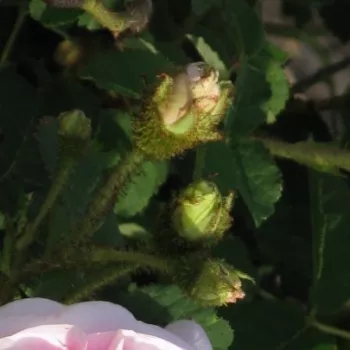
- MOSS-ROMANTIC – Underplant with airy Gypsophila ‘Festival Pink Lady’ to echo the soft pink rosettes and mossy buds, ideal for those curating a gentle, feminine front garden.
- HERITAGE-PATH – Flank a narrow front path with a single specimen and a low edging of lavender to contrast scent and texture, perfect for homeowners wanting a period feel in tight spaces.
- STRUCTURED-RAIN – Combine with blue globe thistles and gravel mulch beneath a downpipe-fed bed to marry strong structure with rainwater-conscious planting, for eco-aware urban gardeners.
- PASTEL-BORDER – Mix with soft blues of Verbena hastata ‘Blue Spires’ and grey-green nepeta for a misty, cottage-style border that still feels ordered, suiting those who like relaxed but readable planting.
- HISTORIC-HEDGE – Create a loose, once-flowering boundary by repeating shrubs along the front fence, interlaced with native grasses, ideal for families planning a calm, long-term garden backdrop.
Technical cultivar profile
| Property | Data |
|---|
| Name and registration |
GÉNÉRAL KLÉBER is a historic moss rose of the Heritage rose collection, also exhibited as General Kleber in Dowager shrub classes; an unregistered but long-established nineteenth-century garden variety. |
| Origin and breeding |
Bred by François-André Robert and introduced by the Moreau-Robert nursery in Angers, France in 1856, this moss rose reflects traditional French breeding for fragrance and distinctive mossed buds. |
| Awards and recognition |
Recognised on the show bench as a Dowager Rose Queen in 2000, reflecting its appeal to heritage-rose exhibitors who value authentic form, strong scent and historically accurate presentation. |
| Growth and structural characteristics |
Upright shrub reaching around 130–200 cm in height and 100–160 cm spread, with moderately dense, matte light-green foliage and notably thorny, mossed stems that provide strong textural impact. |
| Flower morphology |
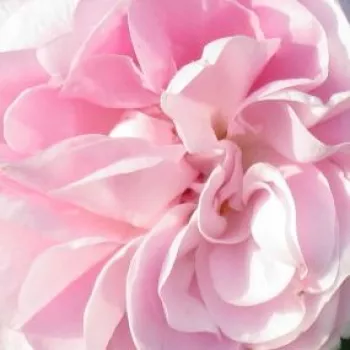
Large, cluster-borne, very full rosette blooms with over 40 petals; not remontant, producing one main flush each season, with traditional moss-rose character concentrated into a memorable flowering period. |
| Colour data and phenology |
Delicate pale pink with a soft lilac tint, ARS Lp, RHS 65C outer and 62D inner; colour gently fades to lighter, almost whitish margins as blooms mature, creating subtle pastel variation over flowering. |
| Fragrance and aroma |
Strong, rich, old-fashioned rose fragrance, especially noticeable around fully open blooms; ideal for positioning close to paths or seating where its classic scent can be appreciated at close quarters. |
| Hip characteristics |
Occasional spherical hips, approximately 12–19 mm in diameter, colouring orange-red as they mature; provide modest late-season interest and may appeal to wildlife in less intensively managed plantings. |
| Resistance and winter hardiness |
Hardy to around −32 to −29 °C (USDA 4b, RHS H7), with good powdery mildew resistance and moderate tolerance to black spot and rust, benefiting from standard monitoring in damp or enclosed sites. |
| Horticultural recommendations |
Best used in beds, as a specimen or in park-style plantings; allow generous spacing of 120–200 cm, and in larger schemes follow recommended planting densities for coherent yet breathable layouts. |
GÉNÉRAL KLÉBER offers strong fragrance, enduring structure and reliable hardiness in a resilient own-root form that will reward a patient, heritage-minded gardener for many seasons to come.