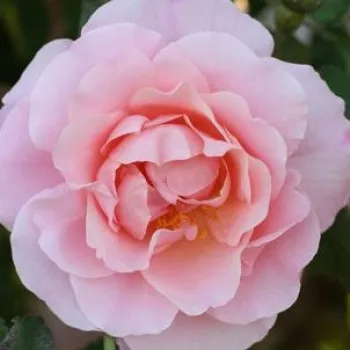
FRITZ NOBIS® – pink historic old garden rose - Kordes
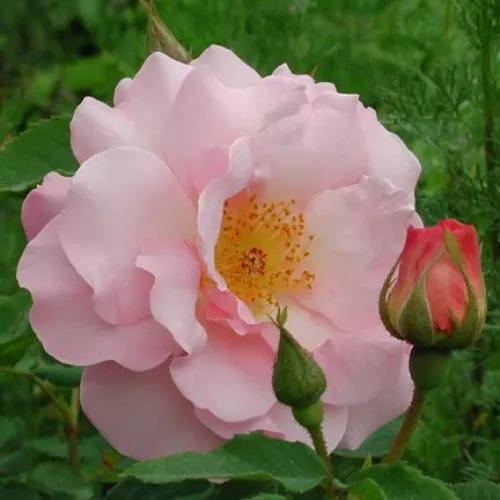
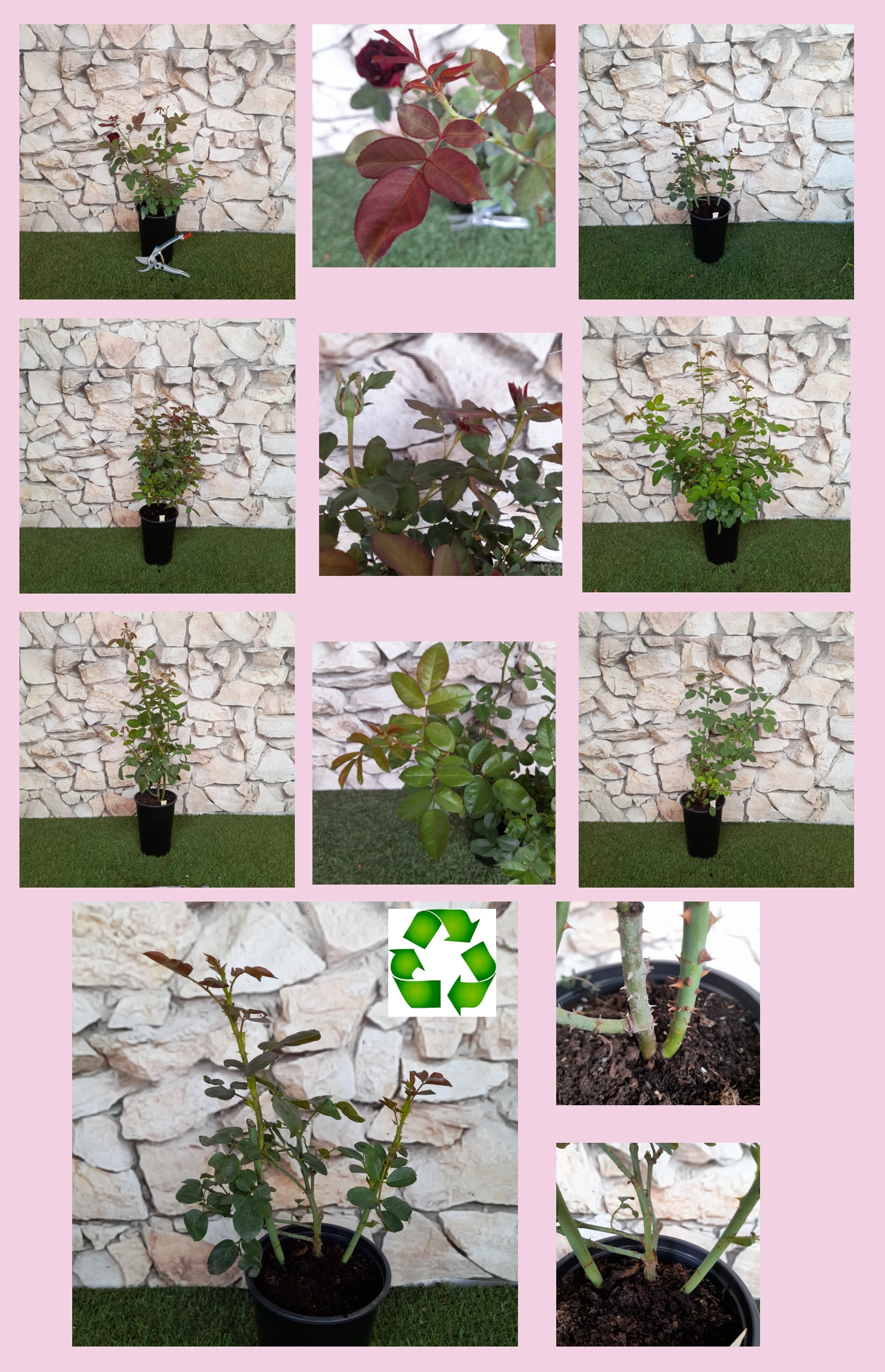
On cool early-summer days, FRITZ NOBIS® drapes a small London front garden in pastel romance, its once-a-year flush of semi-double blooms combining soft pink and salmon tones with a strong, far-reaching fragrance. This historic floribunda–shrub rose forms a tall, bushy, slightly arching hedge or specimen, clothed to the ground in grey-green foliage that suits rain-fed, clay-based plots with careful drainage and thoughtful water use. After flowering, the shrub trades petals for abundant orange-red rosehips, extending its season into autumn for birds and winter structure. Grown on its own roots in our 2-litre container, it is designed for a long-lived framework that settles gradually: first building roots, then stronger shoots, and by the third year offering full ornamental presence that rewards patient, sustainability-minded gardeners.
Usage options
| Target area | Reasoning |
|---|
| Front-garden specimen shrub |
Use FRITZ NOBIS® as a tall, bushy focal point in a modest urban front garden, where its arching habit and softly coloured summer display give height, privacy and structure without needing frequent reshaping – a calm anchor for the beginner gardener. |
| Informal flowering hedge |
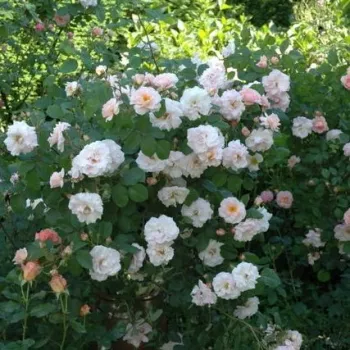
Planted at 110–120 cm intervals, its dense foliage and 130–190 cm height create an informal, seasonally spectacular hedge that screens cars and paving, while the own-root base regrows steadily if pruned harder – reassuring for the family homeowner. |
| Pollinator-friendly summer feature |
The semi-double, open flowers offer accessible pollen in early summer, drawing bees during their short but intense flush; pairing with long-flowering perennials keeps interest going, suiting those who want visible life in the garden – the thoughtful urban nature-lover. |
| Rose-and-perennial mixed bed |
In a mixed bed with nepeta and verbena, FRITZ NOBIS® provides the taller, romantic backdrop, while companion plants extend colour beyond its main flowering, so the bed still feels full when it rests – ideal for the relaxed hobby gardener. |
| Clay or chalk family gardens |
This variety copes with typical British clay and chalk soils when given improved topsoil and good drainage, making it a realistic choice for streets where heavy, rain-soaked ground can challenge more delicate roses – a comfort to the cautious new planter. |
| Low-input structural planting |
Once established, the tall, woody framework and reliable hardiness to around -29 °C offer long-term structure with minimal replacement, so you can plan for a lasting backbone of shrubs instead of replanting frequently – reassuring for the budget-conscious home gardener. |
| Autumn and winter hip display |
After flowering, abundant orange-red hips decorate the branches into winter, adding colour, wildlife interest and a natural feel even in small terraces, so the rose keeps earning its space outside the flowering window – appreciated by the year-round garden observer. |
| Rainwater-aware urban planting |
Suited to sites where rainfall and wind can be channelled into planted strips rather than paving, this rose works with mulch and companion perennials to slow runoff and keep soil covered, encouraging greener kerbsides for the environmentally aware city dweller. |
Styling ideas
- Pastel-hedge – Create a softly coloured boundary with a loose row of FRITZ NOBIS® underplanted with low nepeta to blur the base – for homeowners softening front drives without losing privacy.
- Romantic-focus – Place a single shrub by the front gate, framed with old-style brick or stone and a gravel path, letting its scent greet visitors – for those who value first impressions and heritage character.
- Wild-boulevard – Combine FRITZ NOBIS® with verbena and ornamental grasses in a narrow strip to echo naturalistic planting while still feeling tidy – for urban residents wanting a gentle, wildlife-friendly street edge.
- Hip-season – Emphasise the autumn hips by pairing with evergreen euonymus and late perennials, so the orange-red fruits stand out against winter greens – for gardeners who enjoy subtle seasonal shifts.
- Clay-corner – Use it in a tricky, clay-heavy corner improved with compost, adding sage and catmint to knit the surface together – for beginners taming problem spots rather than paving them over.
Technical cultivar profile
| Parameter | Data |
|---|
| Name and registration |
FRITZ NOBIS® is a historic floribunda–shrub rose from the Historical rose group, sold as an old garden shrub for decorative garden use; ARS exhibition name ‘Fritz Nobis’. |
| Origin and breeding |
Bred by Wilhelm J. H. Kordes II in Germany from ‘Joanna Hill’ × ‘Magnifica’, introduced by W. Kordes’ Söhne in 1940 and remaining an unregistered yet well-documented garden variety. |
| Awards and recognition |
Holds the RHS Award of Garden Merit (1993), indicating reliable garden performance, sound ornamental value and general suitability for UK growing conditions when basic care requirements are met. |
| Growth and structural characteristics |
Forms a bushy, slightly arching shrub 130–190 cm tall and 100–160 cm wide, with dense, grey-green, slightly glossy foliage and moderate thorns; suited to hedging, beds and free-standing specimen use. |
| Flower morphology |
Bears large, flat, semi-double flowers (13–25 petals) in clusters, flowering once in early summer; the show is concentrated into a dramatic seasonal flush rather than repeating throughout the year. |
| Colour data and phenology |
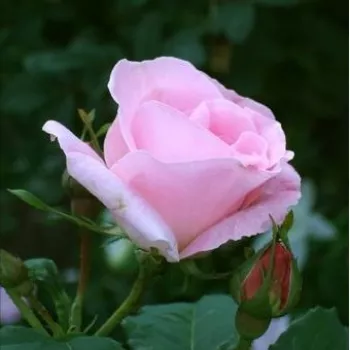
Buds open pale pink with salmon at the base, deepening to silky pink with warmer centres; blooms fade towards white edges and powder-pink centres, giving a soft, pastel effect across the flowering period. |
| Fragrance and aroma |
Produces a strong, far-scented, spicy rose fragrance that carries well in still air, making it particularly effective near paths, windows or seating where its early-summer scent can be fully appreciated. |
| Hip characteristics |
After flowering, it forms numerous spherical orange-red hips, 20–30 mm in diameter, which persist decoratively into autumn and early winter and contribute to wildlife and seasonal interest in the garden. |
| Resistance and winter hardiness |
Hardy to approximately -32 to -29 °C (RHS H7, USDA 4b), with moderate resistance to powdery mildew and black spot but some rust susceptibility, benefiting from preventative care in humid seasons. |
| Horticultural recommendations |
Best at 110–120 cm spacing for hedges or 200 cm as specimen; prefers improved clay or chalk soils, regular watering in hot spells, and, if container-grown, a pot of at least 40–50 litres volume. |
FRITZ NOBIS® offers a tall, romantic summer display with strong fragrance, autumn hips and durable own-root structure, making it a considered choice for those planning a long-lived, characterful family garden.