Hybrid Tea rose

02-064-1
02-064-2

Frau E. Weigand

Hybrid tea rose

- – Ludwig Weigand

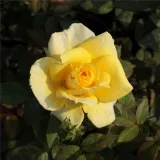
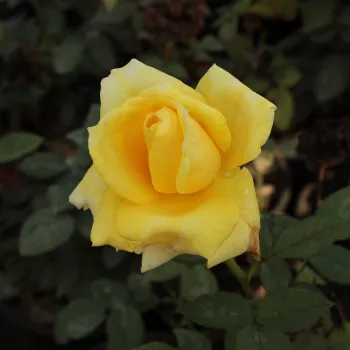
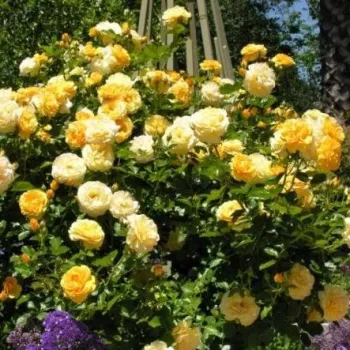
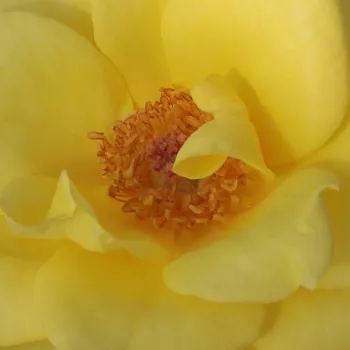
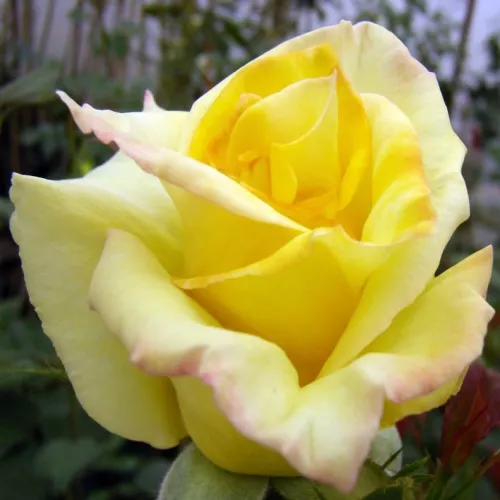
Rich golden-yellow base colour, with the outer petals edged in an orange-red hue. - hybrid tea rose - strong, long-lasting scented rose - pleasantly sweet, fruity

– Strong, long-lasting fruity fragrance.
– Elegant high-centred, exhibition-quality blooms.
– Rich golden-yellow flowers with pink edging.
– Upright, compact habit for borders and beds.
– Excellent disease resistance, low maintenance.
Special feature: Hardy to around –30 °C, reliably enduring severe winters.
Balanced garden – Open to feedback
Frau E. Weigand
eleanorROSE® ORIGINAL 2-litre own-root potted rose
19,30 £
Unfortunately, we are currently unable to ship to the United Kingdom; we only deliver to countries within the European Union. For more information, please contact us!
3.5 (5214)
facebook   twitter

FRAU E. WEIGAND – golden-yellow hybrid tea rose

Imagine opening your front gate after rainfall, greeted by golden blooms glowing against dark foliage and a fruity fragrance that hangs in the damp air, all on a rose that is reassuringly reliable in wetter, breeze‑prone British weather where good drainage matters on heavier soils. FRAU E. WEIGAND brings a classic hybrid tea, high‑centred flower shape to compact London front gardens, yet stays manageable in size for narrow beds and larger containers. Grown on its own roots, it is naturally long‑lived, able to regenerate from the base if stems are damaged and to maintain an even, stable shape with less pruning fuss. Over time it settles in gently – first concentrating on roots, then building taller shoots, before reaching full ornamental impact with abundant blooms by about the third season.


Usage options

Target area Reasoning
Front garden feature rose The upright, compact habit fits the tighter proportions of a typical terraced-house front garden, giving clear structure without overwhelming the space. Large, pointed, florist-style blooms create immediate kerb appeal beside a path or low hedge, with minimal shaping needed for busy urban households who still want a classic statement rose for everyday enjoyment by beginners.
Rainwater-conscious city planting This variety appreciates steady moisture yet dislikes waterlogging, making it a good partner for simple rainwater management where downpipes feed into permeable beds rather than paving. In such sites it responds with steady growth and flowering, while the own-root system copes well with typical urban soil disturbance, supporting those planning practical, climate-aware front gardens for homeowners.
Low-fuss long-term border anchor High resistance to black spot, powdery mildew and rust means less routine spraying and fewer replacement plants over the years, particularly valuable in wetter, milder parts of the UK. Its own-root constitution avoids graft-union problems, so once established it can remain in the same spot for many seasons, maturing into a stable, dependable presence for time-poor gardeners.
Cut-flower corner in family gardens The high-centred, very full blooms are purpose-made for cutting, offering florist-style stems for the house from a single plant. Regular cutting encourages further flushes, giving good value from a small planting area. This suits households wanting armfuls of scented stems from their own garden without creating a separate, labour-intensive cutting plot, ideal for enthusiastic hobbyists.
Compact specimen in lawn or gravel Planted as a solitary specimen at the suggested wider spacing, the dark, slightly glossy foliage provides a neat framework for the rich yellow and orange-red-edged flowers. This stylised look works well emerging from gravel or a small lawn circle, where one well-chosen rose is expected to carry the scene over several seasons for design-conscious urban residents.
Large patio container planting In a container of at least 40–50 litres with drainage holes, FRAU E. WEIGAND’s upright habit stays in proportion, and the strong fragrance can be appreciated at close quarters on balconies or paved courtyards. Own-root plants re-sprout well from the base, offering a forgiving option when occasional missed watering or pruning mistakes occur for balcony-owners.
Structured mixed border with perennials The moderate height and narrow spread make this rose a natural vertical accent between perennials such as lavender, nepeta or low sages, which also help keep the root zone aerated and soils free-draining. This creates a simple, repeating rhythm of form and colour that reads clearly from the street while remaining relatively easy to manage for design-led but practical planners.
Long-season scented pathway edge Remontant flowering brings repeated flushes from early summer onwards, so a short run of plants along a path gives many weeks of colour and scent where people pass daily. As the strong, sweet-fruity fragrance lingers, even a brief walk to the front door becomes a small sensory pause, well suited to those seeking a calming, low-effort ritual in their garden for urbanites.

Styling ideas

  • Terracewelcome – Line a narrow front path with two or three plants underplanted with low thyme to frame the doorway – ideal for small-city-front-garden owners wanting year-round structure.
  • Sunsetborder – Combine with Verbena hastata ‘Blue Spires’ and soft grasses for a warm, glowing border where yellow blooms float against blue spikes – for gardeners who favour relaxed, naturalistic schemes.
  • Patiofocus – Grow a single specimen in a 50-litre clay pot with trailing ivy-leaved toadflax softening the rim – suited to balcony and courtyard users needing impact in limited space.
  • Classiccutting – Plant a short row along a sunny fence, interspersed with fragrant lavender, to provide regular, long-stemmed flowers for the vase – perfect for home florists who like to cut weekly.
  • Calmcircle – Set one rose in a small gravel circle edged with sage and nepeta to create a simple contemplative spot – for those wanting a low-maintenance, meditative corner in a busy life.

Technical cultivar profile
Parameter Data
Name and registration FRAU E. WEIGAND is a hybrid tea (Pernetiana) garden and cut-flower rose; ARS exhibition name ‘Frau E. Weigand’, unregistered cultivar, historically also traded simply as ‘Weigand’.
Origin and breeding Bred by Ludwig Weigand, Rosengärtnerei Christoph Weigand, Germany, from ‘Madame Caroline Testout’ × ‘Souvenir de Claudius Pernet’; bred 1928, introduced 1930, initially distributed by Hazlewood Bros., Australia.
Growth and structural characteristics Upright bush reaching about 100–140 cm high and 70–90 cm wide, moderately dense dark green, slightly glossy foliage, moderately thorny stems; self-cleaning is weak, so spent blooms may need manual removal.
Flower morphology High-centred, pointed hybrid tea blooms, very full with more than 40 petals, medium flower size on mostly solitary stems; remontant habit with a generous second flush well suited to cutting and display.
Colour data and phenology Rich golden-yellow base with orange-red outer petal edges; buds deep orange-red with golden tips, ageing through warm yellow to paler creamy tones, sometimes with pinkish margins; colour retention moderate over time.
Fragrance and aroma Strong, long-lasting scent of a pleasantly sweet, fruity character; fragrance is noticeable on still, humid days and remains evident on cut stems indoors, enhancing its use as a classic scented hybrid tea.
Hip characteristics Occasional spherical rose hips, about 9–12 mm in diameter, orange-red when ripe; hips are incidental to ornamental value but add a modest seasonal accent if some spent blooms are left uncut.
Resistance and winter hardiness Very hardy shrub tolerating approximately −32 to −29 °C (RHS H7, USDA 4b, Sweden Zon 5); reported resistant to black spot, powdery mildew and rust, though regular watering is needed in extended drought.
Horticultural recommendations Best in full sun with fertile, well-drained soil; for mass plantings allow about 55 cm, hedging 50 cm, solitary 90 cm; prefers consistent moisture, but avoid waterlogging; deadhead and cut back lightly to shape.

FRAU E. WEIGAND offers classic golden-yellow, strongly scented blooms on a reliable, disease-resistant, own-root plant that matures into a long-lived feature, making it a thoughtful choice for compact, low-effort family gardens.
Detailed product attributes

Product Identification Data

Product Name: FRAU E. WEIGAND – golden-yellow hybrid tea rose - Weigand
Product Type: eleanorROSE® ORIGINAL - 2-litre own-root potted rose
Cultivar Authenticity: Verified:13.10.2025
Item Number: [192] 02-064 (14.02.2026) eleanorrose.co.uk

Name and Registration

Meaning of Cultivar Name: The name honours a female member of the breeder’s family, Mrs E. Weigand.
Original Trade Name: Frau E. Weigand
Current Trade Name: Frau E. Weigand Hybrid tea rose Weigand
Rose Group: Hybrid Tea, Pernetiana
Commercial Type: hybrid tea rose
Commercial Group: Hybrid tea rose
Exhibition Category: cut flower; exhibition tea hybrid
Collection: Hybrid tea rose

Origin and Breeding

Initial Distributor: Hazlewood Bros. Pty. Ltd. (Australia)
Registration Year: unregistered variety
Breeder: Ludwig Weigand
Breeding Company / Institution: Rosengärtnerei Christoph Weigand (Bad Soden am Taunus, Germany)
Breeding Year: Germany, 1928
Parentage: ‘Madame Caroline Testout’ × ‘Souvenir de Claudius Pernet’

Growth and Structural Characteristics

Height: 3.3-4.6ft (100-140 cm)
Spread: 2.3-3ft (70-90 cm)
Growth Habit: upright
Foliage: The variety has moderately dense foliage, with leaves that have a slightly glossy surface and a dark green hue.
Prickliness: moderately thorny
Self-Cleaning Description: Descriptions do not specify; in tea hybrids it is common for spent blooms to remain on the plant.
Self-Cleaning Intensity: Its self‑cleaning is likely poor.

Flower Morphology

Flower Fullness: very full-flowered
Flower Shape: high-centred, pointed bud (cut-flower type)
Flower Size: M (1,5-2,75 in)
Inflorescence Type: solitary
Colour Code: ARS code: dy RHS code: 33A (outer), 13A (inner)
Repeat Flowering: Remontant, the second flowering is also abundant.

Colour Data and Phenology

Colour: golden-yellow
Flower Colour Description: Rich golden-yellow base colour, with the outer petals edged in an orange-red hue.
Closed Bud: Deep orange‑red, with a delicate golden‑yellow tip.
Newly Opened Flower: Intense golden yellow, with a slight pink‑orange flush at the edges.
Full Bloom: Warm golden yellow with a pale pink tinge at the petal edges.
Before Fading: Paler yellow, fading to creamy yellow in places.
Colour Fading Description: As the bloom opens, the intense golden yellow gradually lightens, eventually fading in places to a creamy yellow; the pink rim gently fades.

Fragrance and Aroma

Fragrance Strength: strong, long-lasting scented rose
Fragrance Character: pleasantly sweet, fruity
Pollinator Attraction: Double tea-hybrid flowers make it only weakly attractive to pollinators, as the fully double bloom form and reduced accessibility of the stamens limit their appeal.
Pollinator-Friendly Rating: Its double blooms conceal the stamens, making it primarily an ornamental cultivar.

Hip Characteristics

Hip Shape: spherical
Hip Colour: orange-red
Hip Comment: Occasionally produced, 9–12 mm in diameter, spherical, orange‑red rose hip.

Resistance and Hardiness

Hardiness (°C): -32–-29 °C
Heat and Drought Tolerance Description: Thrives in warmth, but requires regular watering during prolonged drought.
Disease Resistance: resistant
  • powdery mildew – resistant
  • black spot – resistant
  • rust – resistant

Horticultural Recommendations

Recommended Planting Distance: for mass planting 55 cm, for hedging 50 cm, as a solitary specimen 90 cm
Planting Density: square planting 3,3 plants/m², hexagonal arrangement 3,8 plants/m²
Partial Shade Tolerance: Preferably in a sunny position
Maintenance Requirement: Maintenance requirement low; good disease resistance, generally requires little intervention.
Primary Uses: border, cut flower, specimen

Comments

Strengths: Balanced garden – Open to feedback
Companion Plants: Verbena hastata ‘Blue Spires’ - dense-flowered verbena blue Artemisia ludoviciana - white wormwood Hemerocallis hybrids - daylily
Comment: -
FRAU E. WEIGAND – golden-yellow hybrid tea rose - Weigand
Rich golden-yellow base colour, with the outer petals edged in an orange-red hue. - hybrid tea rose - strong, long-lasting scented rose - pleasantly sweet, fruity
Online rose purchase - golden-yellow - Frau E. Weigand - hybrid tea rose - (3.3-4.6ft (100-140 cm))
Inflorescence: solitary Height: 3.3-4.6ft (100-140 cm) Flower shape: high-centred, pointed bud (cut-flower type) Winter hardiness: - golden-yellow - Hazlewood Bros. Pty. Ltd. (Australia) hybrid tea rose - Flower size: M (1,5-2,75 in) Flower size: M (1,5-2,75 in) - Height: 3.3-4.6ft (100-140 cm) Height: 3.3-4.6ft (100-140 cm) - Flower fullness: very full-flowered Frau E. Weigand - Roses in the garden | eleanorROSE® Original - standard Ludwig Weigand

We showcase the external appearance of the roses available for online purchase from our webshop.


Which product type is right for you?


Information

In what condition do we send the rose from our online webshop?

Let us ask ourselves the question: What would I like to use the rose for?
Flower? - Location? - Screening? - Fragrance? - Height? - Breeder? - Rose hip?

Information on buying roses
Methods of payment - Delivery costs - Delivery - Complaints handling

Care guide

Our product is a rose grown with pharmaROSA®’s unique cultivation technology!

2-litre, own-root, potted rose.
With a shoot system appropriate to the season.
With a root system that thoroughly permeates the growing medium.
Quality compliant with the requirements of the E.N.A. (European Nurserystock Association).
Supplied in unique packaging that prevents damage.
Can be planted during frost-free periods.
True-to-variety rose bush with a unique identifier.

The pharmaROSA® own-root potted rose is a well-rooted plant that supports reliable establishment when planted and cared for properly, so it can be planted whenever the soil is not frozen.


Crop overview: several varieties and growth stages in a short crop section.
Shoot system: intensive growth of fresh basal shoots on a young plant.
Root system: demonstration of a vigorous root system permeating the growing medium, by removing the pot.
Balance: mature plant with root system and shoots in harmony with each other.

Information about the videos
The video series is not a “seasonal showcase”; it illustrates the essence of pharmaROSA® own-root cultivation in a tangible way: how the plant is built up, what the root system is like and how the shoot system regenerates. The recordings were therefore made at different times and with plants at various stages of development, so mixed foliage levels and differing stages of growth may appear in the videos. They are not a ‘sample’ of the batch dispatched, but a visual explanation of how the technology works. The current condition of the rose available to order — typical for the given period and similar to what you can expect to receive in the parcel — is shown in the upper part of the product page.

pharmarosa.compharmarosa.depharmarosa.co.ukpharmarosa.skpharmarosa.ropharmarosa.sipharmarosa.czpharmarosa.atpharmarosa.hrpharmarosa.frpharmarosa.plpharmarosa.itpharmarosa.espharmarosa.bepharmarosa.nlpharmarosa.lupharmarosa.dkpharmarosa.iepharmarosa.grpharmarosa.bgpharmarosa.sepharmarosa.ltpharmarosa.lvpharmarosa.fipharmarosa.eepharmarosa.ptpharmarosa.ru

Product types

Pages for private customers
Garden roses for the family garden, with minimal care  → ORIGINAL®
Premium garden roses – instant impact, a truly showpiece garden  → EXTRA®
Pages for professionals and private customers
Roses for public spaces – large areas, sustainable maintenance  → NATURAL®
Roses for projects – hedge and row planting, fast implementation  → RAPID®
For professional partners only
Production – propagation material for garden roses, wholesale  → NEONATAL®

Company details

PharmaRosa Ltd.
Company registration number: 01-09-717479
VAT number: 13075314-2-43
Plant health registration no.: HU130721
Bank account (IBAN):
HU85117631891388688400000000
BIC (SWIFT): OTPVHUHB
Bank name: OTP Bank Nyrt.