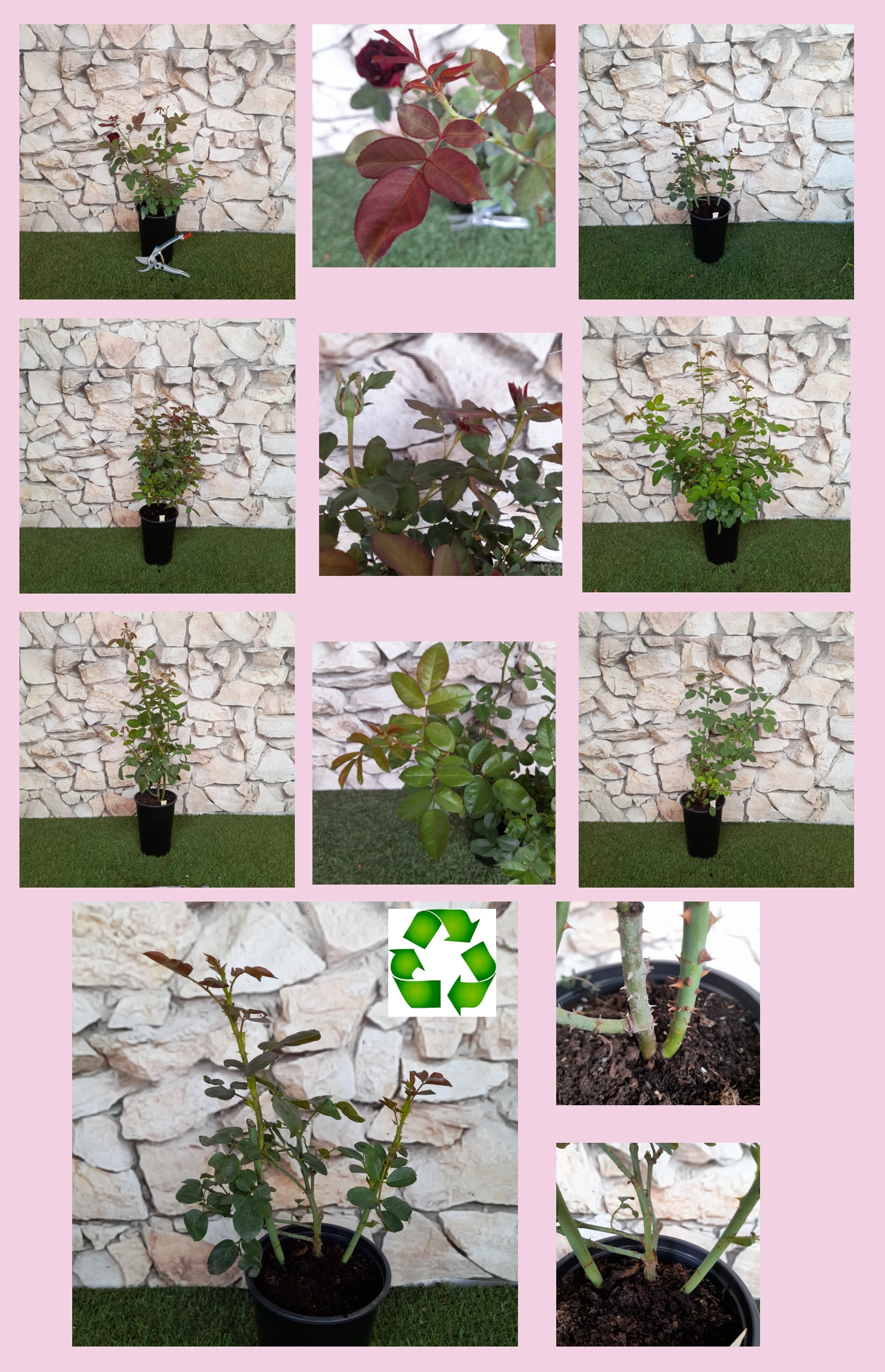
FOOTLOOSE ™ – pink bedding floribunda rose - Evers
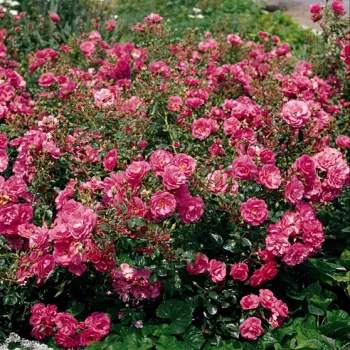
Step into a London-style front garden where Footloose settles in quickly, covering the soil with colour and neat, self-cleaning blooms that keep your beds looking freshly tended with very little effort, even where wind and rain regularly sweep in from the coast. Its compact, spreading habit suits narrow urban strips and small gardens, while dense, glossy foliage gives year-round structure and helps shade the soil, working naturally with rainwater-collecting gravel or permeable paving. As an own-root rose, it offers reassuring longevity, regrowing reliably from the base if winter or pruning are a little harsh, so you can enjoy stable ornament over many seasons. Plant once, mulch well, water with harvested rain, and watch it turn into a low-maintenance groundcover of deep pink clusters, especially when teamed with lavender or nepeta for added movement and pollinators.
Usage options
| Target area |
Reasoning |
| Low-maintenance front garden border |
The spreading, compact habit and good self-cleaning make it ideal for busy households who want a neat front garden without frequent deadheading or elaborate pruning, especially where wind and rain regularly sweep in from the coast, suiting the beginner. |
| Urban groundcover and rainwater-friendly strip |
Dense foliage and a ground-hugging form cover bare soil quickly, helping reduce run-off along drives and paths while providing long-lasting pink colour in city settings, well suited to the eco-minded homeowner. |
| Small family flower bed with long season interest |
Repeat-flowering clusters keep colour coming in waves through the season, so even modest beds feel full and lively with minimal input, which is reassuring for the time-pressed gardener. |
| Pollinator-supporting mixed planting |
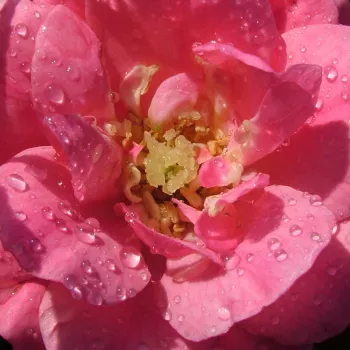
Semi-double, open blooms with visible stamens offer accessible pollen, especially effective when combined with lavender or sage to create a gentle, insect-friendly corner for the sustainability-focused family. |
| Container or large pot on terrace or balcony |
The controlled height and width suit a 40–50 litre container, where it forms a tidy, flowering mound that needs only simple watering and light seasonal feeding, ideal for the space-limited balcony-owner. |
| Easy-care own-root hedge or edging |
Planted at hedge spacing, it creates a low, floriferous line that can be trimmed without fear of losing a grafted top, giving long-lived structure with little specialist knowledge for the practical planner. |
| Family garden play-area backdrop |
Moderately thorny but compact, it sits well behind a low barrier or edging, providing dense, glossy foliage and continuous colour as a soft backdrop that is simple to look after for the safety-conscious parent. |
| Public-style durability in private beds |
Bred for Cityflor® public plantings, it brings that robust, disease-resistant performance into home gardens, maintaining tidy foliage and flower power season after season for the quality-seeking buyer. |
Styling ideas
- Terrace-ribbon – Line a narrow front path with Footloose and dwarf lavender to create a soft pink and purple ribbon that flowers for months – perfect for design-conscious city dwellers.
- Rain-garden – Combine Footloose with sedum and gravel mulch beside a permeable drive to slow water and add bright colour – ideal for sustainability-focused households.
- Family-border – Plant in drifts in front of small shrubs, where its repeat blooms and glossy foliage keep the border cheerful with little work – suited to busy parents.
- Balcony-bower – Use one plant in a 50-litre container with trailing alyssum for a scented, bee-pleasing mix – appealing to compact-space gardeners.
- City-meadow – Mass-plant Footloose in a small front lawn replacement, interspersed with low herbs for a colourful, easy-care tapestry – great for lawn-free urban owners.
Technical cultivar profile
| Parameter |
Data |
| Name and registration |
Floribunda bed rose from the Cityflor collection; registered as TANotax, marketed as Footloose ™ Cityflor® TANotax, with ARS exhibition name Footloose™ for floribunda classes. |
| Origin and breeding |
Bred by Hans Jürgen Evers at Rosen Tantau, Germany, from unnamed seedling × Rosali 83®, bred 1990, registered 1999 and introduced commercially after 1999 for modern landscaping. |
| Growth and structural characteristics |
Compact, spreading shrub 70–110 cm high and 60–100 cm wide, with dense, dark green, glossy foliage and moderate prickles, forming a broad, ground-hugging mound in beds and borders. |
| Flower morphology |
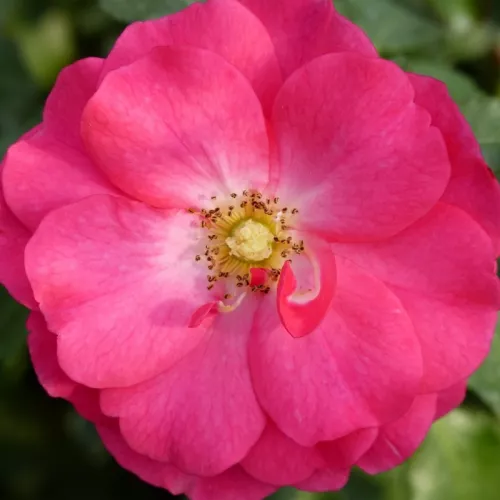
Semi-double flowers with 13–25 petals, medium-sized clusters on branching stems, flat-faced form; repeat-flowering with a notably abundant second flush for extended seasonal display. |
| Colour data and phenology |
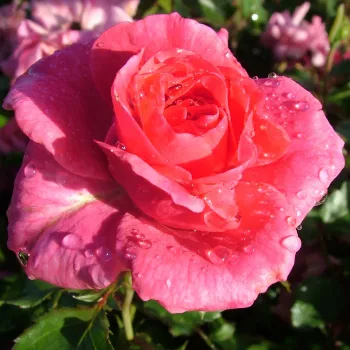
Vibrant deep pink blooms with raspberry-red tinge; ARS DPk, RHS 67B outer, 67C inner; colour lightens with heat and age, creating soft pink tones while maintaining overall good garden presence. |
| Fragrance and aroma |
Fragrance is very weak, with a discreet, neutral character, making it suitable where strong scents might be unwelcome, while still providing ornamental value through colour and flower form. |
| Hip characteristics |
If not deadheaded it sets moderate numbers of small, spherical red hips, around 4–8 mm, providing subtle late-season interest without overwhelming the plant’s tidy overall appearance. |
| Resistance and winter hardiness |
High general disease resistance to powdery mildew, black spot and rust; reliably hardy to about −29 to −32 °C (RHS H7, USDA 4b, Swedish Zon 5) with moderate heat tolerance given regular watering. |
| Horticultural recommendations |
Suited to beds, groundcover, edging, mass plantings, parks and containers; space 45–85 cm depending on use, in sun or partial shade, with low maintenance needs and minimal feeding and pruning. |
Footloose ™ Cityflor® TANotax offers easy-care colour, reliable repeat flowering and strong disease resistance on a durable own-root framework, making it a thoughtful choice for long-term, low-effort planting.