Fond Memories – apricot dwarf-mini rose – KIRfelix
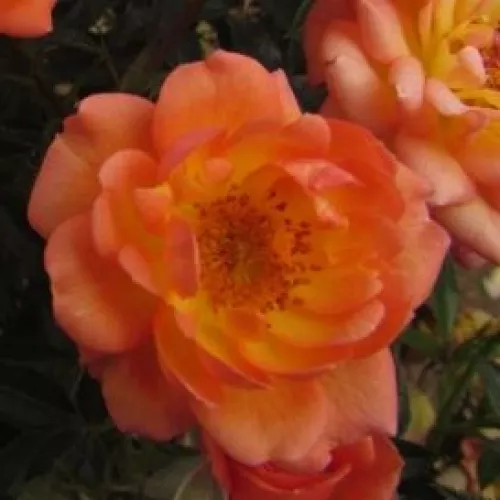
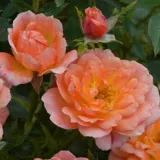
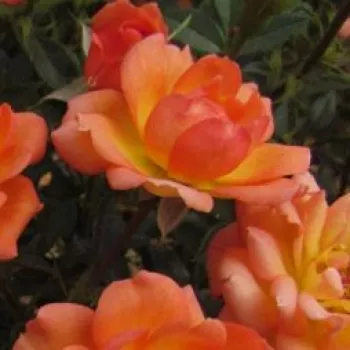
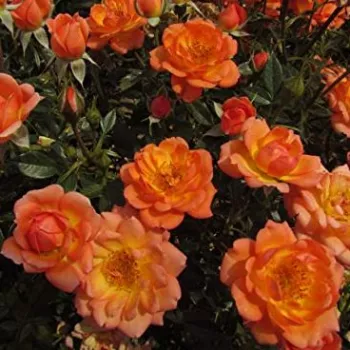
In a small London front garden or balcony, Fond Memories settles in quickly as a compact, easy-going miniature rose that fits rain-aware, low-maintenance planting where winter wet and heavy soil can be a concern in the UK. Its apricot rosettes open from deep warm buds into peach-cream clusters, flowering generously in flushes from summer onwards, while the own-root form gives reassuring long-term resilience and the ability to regenerate if stems are cut back after a tough season. In the first year it concentrates on roots, the second on tidy new shoots, and by the third it delivers its full, reliable ornamental value as a dense, glossy-leaved mound. Strongly repeat-blooming, moderately pollinator-friendly semi-double flowers and a naturally compact shape make it ideal for containers, edges and small beds where you want colour but little ongoing work, especially in family gardens that favour simple routines and light-touch pruning. Choose a peat-free mix, water mainly with harvested rainwater, and enjoy its gentle, sweet-scented presence as part of a long-lived, sustainable planting scheme.
Usage options
| Target area | Reasoning |
|---|
| Front garden containers |
Its compact 30–40 cm height and dense foliage make it ideal for neat pots by a terraced-house doorway, with repeat peach blooms offering soft colour from a modest footprint, suiting busy urban gardeners |
| Balcony and roof terrace pots |
Fond Memories performs well in containers of at least 40–50 litres, where its dwarf habit and own-root vigour provide stability and long life with minimal pruning, appealing to space-conscious beginners |
| Low edging along paths |
Short, bushy plants at 25–35 cm spread create a tidy, flowered line beside paths, and regular deadheading is straightforward, supporting a calm, ordered look that fits family-friendly gardens |
| Small mixed flower beds |
The warm peach tones blend easily with perennials such as heuchera and knotweed, while clusters of semi-double flowers add texture without dominating, ideal for design-aware homeowners |
| Pollinator-minded city planting |
Semi-double blossoms with visible centres provide moderate pollinator interest, adding value in compact urban schemes where every nectar source counts for environmentally conscious buyers |
| Long-term own-root plantings |
Supplied on its own roots, it establishes gradually then offers a stable, regenerating framework over many years, supporting sustainable, rain-aware planting where winter wet and heavier soils might challenge grafted roses for future-focused gardeners |
| Clay or chalky soil front gardens |
In UK conditions with heavier or more alkaline ground, it thrives when given decent drainage and a peat-free soil improver, then rewards sensible planting with dependable structure for low-fuss rose lovers |
| Patio table or step-top feature |
A single container by steps or seating puts its clusters at eye level, making the subtle scent and colour shifts easy to appreciate without major upkeep, perfect for time-pressed enthusiasts |
Styling ideas
- Peach-Glow Border – line a short path with Fond Memories and low heuchera, framing the entrance with warm colour and compact greenery – ideal for terrace homeowners seeking a soft “girly” welcome
- Balcony Jewel – plant one rose in a 50-litre pot with trailing thyme for a fragrant, easy-care focal point – suited to urban renters wanting maximum charm from minimal space
- Pastel Patio Mix – combine Fond Memories with lavender and nepeta in grouped containers for a relaxed, pollinator-minded seating area – great for beginners building a sustainable patio
- Neat Edging Strip – repeat-plant along a low front bed, underplanting with dwarf coral bells to keep foliage interest when blooms pause – for families preferring tidy, low-maintenance structure
- Memory Corner – pair this miniature rose with white Lychnis and a small bench to create a quiet reflective nook – appealing to gardeners wanting a gentle, sentimental planting accent
Technical cultivar profile
| Parameter | Data |
|---|
| Name and registration |
Miniature rose, commercial type dwarf mini; registered as KIRfelix, marketed as Fond Memories – apricot dwarf-mini rose – Kirkham within the Mini – dwarf rose collection. |
| Origin and breeding |
Bred by Gordon Wilson Kirkham in the United Kingdom, 1999; parentage unknown. Initially distributed by C & K Jones, UK, with registration and introduction years not fully documented. |
| Growth and structural characteristics |
Compact, bushy shrub about 30–40 cm high and 25–35 cm wide, slightly thorny stems and dense, glossy dark green foliage, forming a neat, rounded mound suited to edging and container use. |
| Flower morphology |
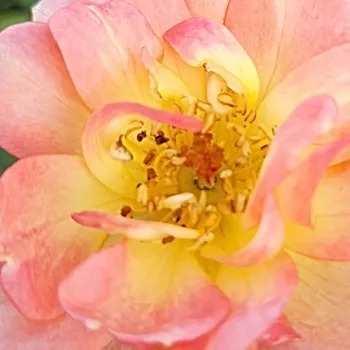
Semi-double rosette blooms, 17–25 petals, small (around 0.5–1.5 in), produced in clusters. Strongly repeat-flowering with a generous second flush; benefits from deadheading to maintain continuity. |
| Colour data and phenology |
Ginger-orange to peach flowers with lemon-yellow centres, ARS ab; RHS 24A, 14B. Buds deep orange-brown, ageing to pastel peach-pink and finally creamy tones, with very good colour retention in sun. |
| Fragrance and aroma |
Delicate, sweet-scented fragrance of very weak intensity, often barely noticeable in passing, adding a gentle nuance rather than a dominant perfume in close-up seating or patio settings. |
| Hip characteristics |
Hip set generally low; occasional small spherical hips 5–7 mm across, orange-red when present, offering a discreet seasonal detail but not a primary ornamental feature of this cultivar. |
| Resistance and winter hardiness |
Hardy to approximately −23 to −21 °C (RHS H7, Swedish zone 3, USDA 6a). Disease resistance moderate overall, with average tolerance to powdery mildew, black spot and rust in typical garden care. |
| Horticultural recommendations |
Best in sunny positions for abundant flowering. Use for containers, patios, edging, beds and urban green spaces. Maintenance medium: regular deadheading and occasional plant protection may be required. |
Fond Memories Mini - dwarf rose KIRfelix offers compact repeat flowering, neat long-lived structure and the practical durability of an own-root plant, making it a thoughtful choice for enduring small-space garden schemes.