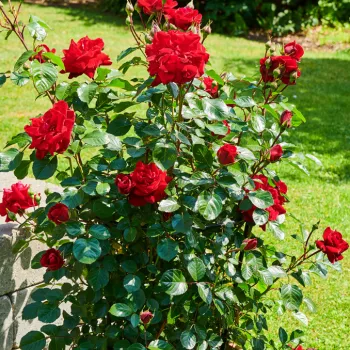
FIRST CLASS™ Courtyard® – red climbing rose
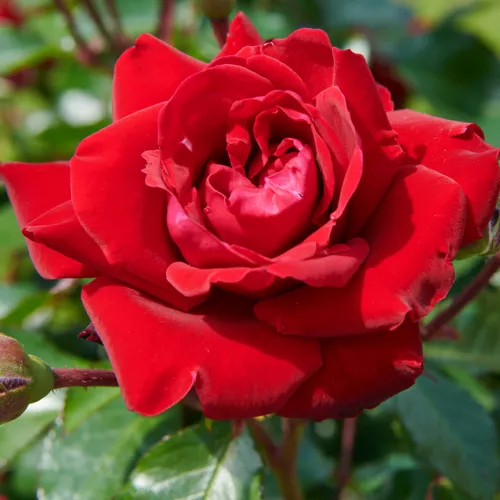
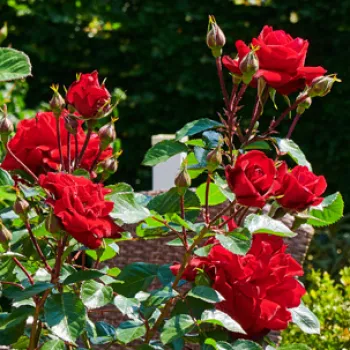
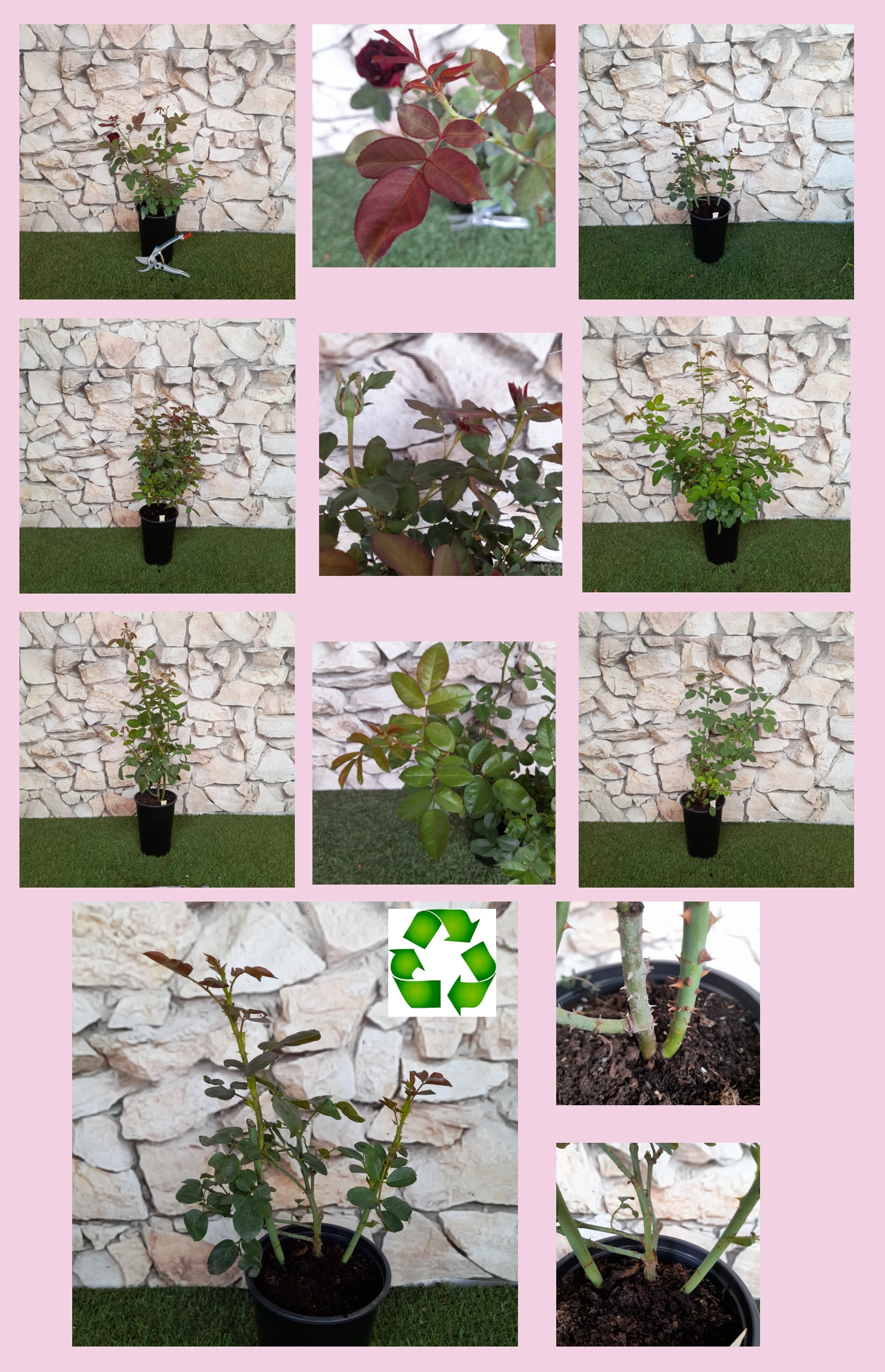
Step out after rain into a front garden that feels balanced, as First Class™ Courtyard® lifts eye level with elegantly cupped, mid‑red blooms that glow against glossy foliage while coping reliably with cool, wet summers and heavy, slow‑draining soils. This compact large‑flowered climber is bred for longevity, arriving as an own‑root eleanorROSE® ORIGINAL plant that establishes steadily and then grows into a durable feature on trellis, railings or a modest pergola. Its remontant flowering brings generous flushes from early summer well into autumn, and its good self‑cleaning means far fewer spent blooms for you to remove by hand. In the first year it concentrates on roots, the second on stronger shoots, and by the third it reveals its full ornamental impact, rewarding patient, low‑input care in a small city courtyard.
Usage options
| Target area | Reasoning |
|---|
| London terraced-house front railings |
Its compact 1–2 m height and 50–120 cm spread suit narrow front boundaries, giving vertical colour without overwhelming the pavement. Own-root stamina means a long-lived feature with limited pruning, ideal for a busy homeowner. |
| Small pergola or arch over a path |
Very full, cupped red clusters repeat through summer, creating a gently romantic arch that frames the route to your front door. Good self-cleaning keeps petals dropping neatly after rain, reducing deadheading for the time-poor beginner. |
| Rainwater-friendly urban border |
Suited to British conditions where downpours and slow-draining clay are common, this climber works well above moisture-tolerant perennials, using vertical space while roots settle deeply over time, rewarding the patient sustainable gardener. |
| Cottage-style mixed border backdrop |
The rich mid-red flowers hold their colour well, even as they age slightly lighter at the edges, providing a stable, classic backdrop for softer pinks, blues and silvers in a relaxed, low-fuss scheme for the style-conscious urbanite. |
| Container-trained climber on balcony or terrace |
In a 40–50 litre peat-free container with a slim obelisk or trellis, its moderate vigour is simple to guide, offering long-term impact when watered with saved rainwater, suited to space-limited city residents. |
| Family seating area screen |
Glossy, dark green foliage and repeat-flowering clusters create a soft visual screen around patios or play spaces without excessive height, combining privacy and colour for families wanting low-maintenance outdoor comfort. |
| Low-maintenance focal point near doorway |
Medium maintenance and moderate disease resistance mean routine checks and occasional treatment are usually sufficient, while own-root resilience allows easy renewal after hard pruning, reassuring the time-pressed small-garden owner. |
| Classic red feature in sustainable front garden |
The long flowering season, modest size and reliable colour retention help you replace hard landscaping with living structure; once established, roots, shoots and flowering balance into a durable asset for eco-minded city starters. |
Styling ideas
- Courtyard Romance – Train along black metal railings with lavender and nepeta at the base for soft scent and movement – ideal for terrace-house front gardens.
- Urban Screen – Grow on a slim timber trellis with evergreen honeysuckle and ornamental grasses to create a calm, semi-private nook – suited to compact family patios.
- Balcony Feature – Plant in a 50 litre clay pot with trailing thyme and sedum for drought-tolerant underplanting – perfect for low-upkeep city balconies.
- Classic Approach – Flank a short path with twin arches, underplanted with sage and dwarf catmint, to guide guests towards the front door – appealing to lovers of traditional formality.
- Rain-Garden Edge – Combine with moisture-tolerant perennials and a gravel strip for drainage, letting the climber rise behind softer foliage – designed for sustainability-focused front gardens.
Technical cultivar profile
| Characteristic | Data |
|---|
| Name and registration |
Large-flowered climbing rose marketed as FIRST CLASS™ Courtyard®, registered as POUlcy042, from the Courtyard® collection; commercial type and group both listed as climbing rose for garden use. |
| Origin and breeding |
Bred in Denmark in 2021 by L. Pernille Olesen and Mogens Nyegaard Olesen for Poulsen Roser A/S; seedling × seedling cross; registration in 2022, introduced to markets after 2022. |
| Growth and structural characteristics |
Medium-vigour climber reaching around 100–200 cm high and 50–120 cm wide, with moderately dense, glossy dark green foliage and moderate prickliness; suitable for trellis, pergola or pillar training. |
| Flower morphology |
Very full, cupped blooms with 40+ petals, large flower size and cluster-flowering habit; remontant character gives abundant second flush, providing a long ornamental season on vertical supports. |
| Colour data and phenology |
Saturated mid-red flowers, ARS code MR, RHS 45A inside and out; buds deep velvety red, opening vivid mid-red and then lightening slightly at the edges while retaining good overall colour stability. |
| Fragrance and aroma |
Delicately fruity scent that is very weak and barely perceptible in typical garden conditions; selected primarily for colour, form and repeat flowering rather than for strong perfume or culinary uses. |
| Hip characteristics |
Occasionally forms very small hips, around 0–4 mm in diameter, of limited ornamental effect; hip production is irregular and generally insignificant in normal garden settings. |
| Resistance and winter hardiness |
Hardy to approximately −21 to −18 °C (RHS H7, Swedish zone 3, USDA 6b) with moderate disease resistance to powdery mildew, black spot and rust; tolerates heat but needs watering in prolonged drought. |
| Horticultural recommendations |
Best in sunny positions on pergolas, trellises, terraces, borders or large containers; plant 90–100 cm apart, one per m² for massing, using well-drained soil and occasional plant protection as needed. |
FIRST CLASS™ Courtyard® offers compact climbing growth, reliable repeat flowering and lasting own-root resilience, making it a thoughtful choice if you want an enduring red feature with modest care needs.