FANTIN-LATOUR – pale pink historic centifolia rose - Bunyard
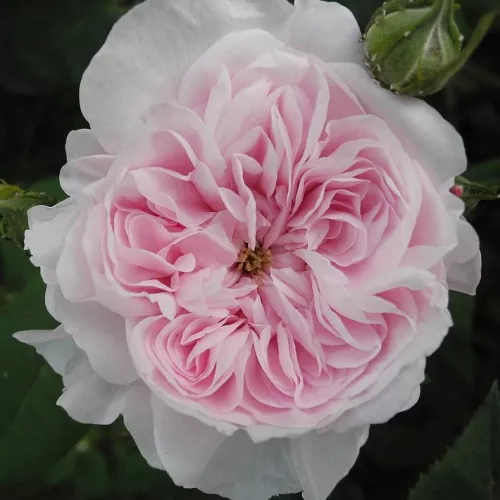
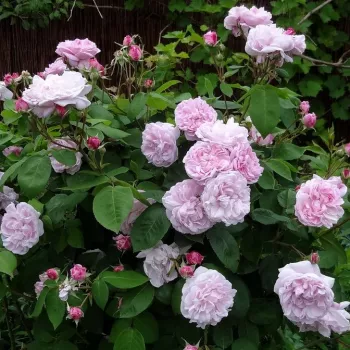
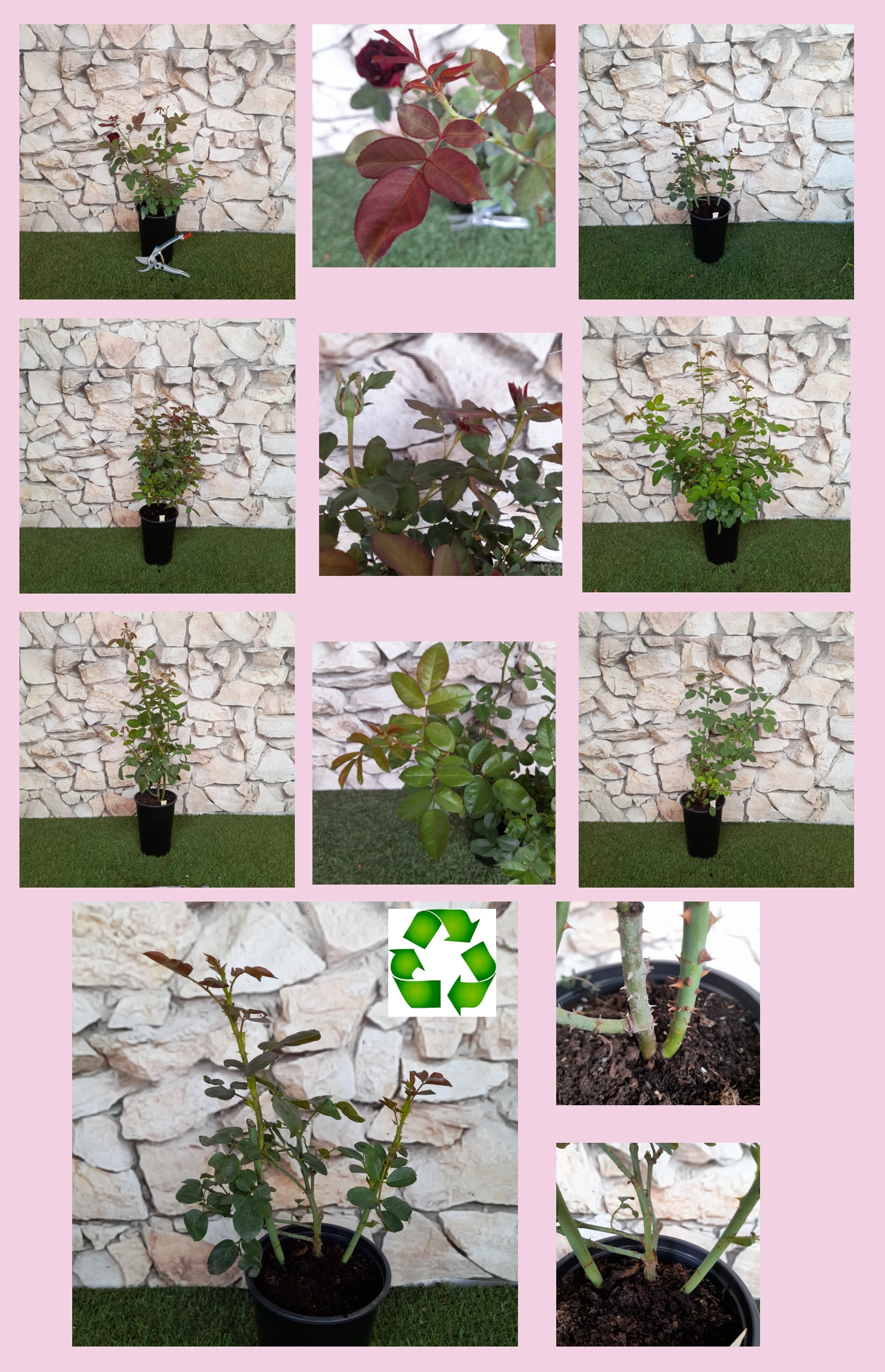
Immerse yourself in the romantic charm of ‘Fantin-Latour’, a pale pink centifolia shrub rose that brings a gentle, old‑world presence to compact London front gardens and relaxed family borders. Its historic character and softly cupped, very double blooms create a once‑a‑year spectacle, followed by a season of handsome, dark green foliage that frames paths and windows with quiet structure. This own‑root rose is bred for a long lifespan, building deep roots in year one, generous framework in year two and full ornamental value by year three with little intervention. Strongly scented flowers exude a classic rose fragrance that lingers after summer rain, while the shrub’s hardiness and tolerance of typical British clay soils suit rain‑aware, low‑input gardens that still feel refined. Awarded the RHS merit for reliability, it offers a reassuringly balanced choice for busy urban gardeners who value beauty, heritage and ease over constant chores.
Usage options
| Target area | Reasoning |
|---|
| Front‑garden specimen shrub |
As a free‑standing shrub, ‘Fantin-Latour’ becomes a pale pink focal point, its once‑a‑season flush creating a memorable moment at the entrance to a terraced house while the neat bushy form remains attractive afterwards for style‑conscious homeowners. |
| Historic rose border |
Planted with other traditional roses and perennials, its antique centifolia character and RHS‑recognised garden performance provide a reliable, historically accurate anchor for designs inspired by period townhouses, suiting heritage‑minded gardeners. |
| Low‑maintenance flowering hedge |
Used at 90 cm spacing, its dense foliage, moderate height and sparsely thorned stems form a soft, informal hedge that needs only occasional shaping, ideal for defining front boundaries for busy urban families. |
| Clay‑tolerant rain‑aware planting |
Well‑prepared soil with added drainage grit allows this hardy shrub rose to handle wet spells and typical heavy clay, fitting sustainable, rainwater‑friendly front gardens planned by practical city gardeners. |
| Partial‑shade side return |
Its suitability for partial shade means it can flower and hold foliage in side passages or between buildings where full sun is limited, bringing softness and scent to overlooked spaces for space‑savvy homeowners. |
| Large container feature (50+ litres) |
In a generous 50–70 litre pot with peat‑free compost, the bushy habit and strong scent create a long‑term container feature that can be repositioned as needed, suiting balcony and courtyard container‑focused gardeners. |
| Cut‑flower moments for the home |
The large, very double blooms with classic perfume are ideal for occasional, luxurious indoor arrangements, turning a short cutting session into a seasonal ritual appreciated by home‑styling enthusiasts. |
| Long‑term structural planting |
Own‑root growth supports gradual regeneration from the base, helping the shrub recover from pruning or weather damage and maintain presence over many years with modest care for long‑view planners. |
Styling ideas
- Timeworn‑terrace – Underplant with dwarf lavender and thyme, using gravel mulch and a reclaimed clay pot for a soft, historic feel – ideal for period London terraces.
- Rain‑border – Combine with dwarf fountain grass and moisture‑tolerant perennials beside a permeable path to slow and soak rainwater – suited to eco‑minded front‑garden owners.
- Courtyard‑classic – Grow one shrub in a 50–70 litre container, flanked by box or myrtle in matching pots for a restrained, formal courtyard look – appealing to design‑conscious minimalists.
- Side‑alley – Plant along a side return with white foxgloves and ferns, allowing the pale blooms to glow in partial shade – perfect for making use of awkward, narrow spaces.
- Summer‑salon – Place near a bench with nepeta and soft grasses, so cut blooms can be brought indoors and the fragrance enjoyed on warm evenings – ideal for relaxed entertaining households.
Technical cultivar profile
| Property | Data |
|---|
| Name and registration |
Fantin-Latour is a historical centifolia shrub rose, traded under the name Fantin-Latour Historic rose Bunyard; unregistered as a formal cultivar but established in collections and shows. |
| Origin and breeding |
Bred by Edward A. Bunyard in the United Kingdom and introduced around 1900 through Bunyard’s Nursery, this selection stems from unknown parentage within the centifolia group. |
| Awards and recognition |
Holds the Royal Horticultural Society Award of Garden Merit (AGM), signalling dependable performance, ornamental value and general garden worthiness under typical UK growing conditions. |
| Growth and structural characteristics |
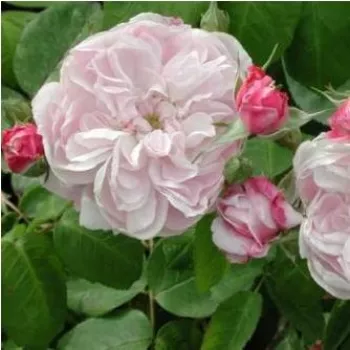
Bushy shrub 140–220 cm tall and 120–190 cm wide, with dense, dark green, slightly glossy foliage and sparsely thorned stems; spent blooms may need manual removal to keep the plant tidy. |
| Flower morphology |
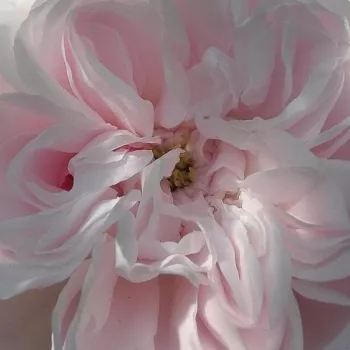
Large, very double rosette blooms with more than 40 petals, borne mainly solitary; not remontant, providing one major flowering period which is particularly impressive on established plants. |
| Colour data and phenology |
Pale pink flowers with ARS code Lp, RHS 65C outer and 65B inner, opening milky‑translucent, then gently fading towards creamy edges in strong sun while the centre retains a soft pink tone. |
| Fragrance and aroma |
Strong, classic old‑rose scent readily noticeable around the shrub, especially in still, humid air; ideal where fragrance is a design priority near windows, paths or seating areas. |
| Hip characteristics |
Hip set is usually sparse due to the very double flowers, but occasional small spherical hips 9–15 mm across may develop, colouring orange‑red and adding a subtle late‑season accent. |
| Resistance and winter hardiness |
Hardy to about −34 to −32 °C (RHS H7, USDA 4a, Swedish Zone 5) with moderate disease resistance; generally good against powdery mildew, with moderate tolerance of black spot and rust. |
| Horticultural recommendations |
Best in fertile, well‑drained soil with full sun or light shade; spacing between 90 and 165 cm depending on hedge, mass planting or specimen use, with moderate maintenance including light pruning. |
Fantin-Latour offers historic character, strong fragrance and long-lived, own-root reliability for understated, low-maintenance structure in small to medium gardens, making it a thoughtful choice if you favour slow, lasting beauty.