EVECHANTI – cream climbing rose - Rateau
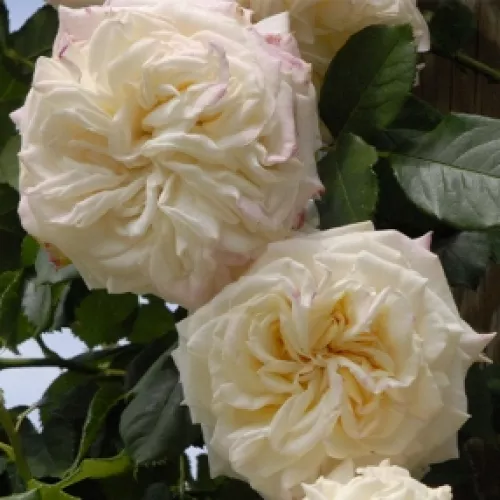
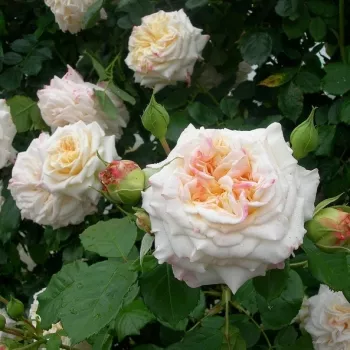
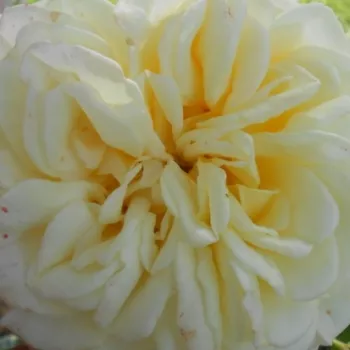
Step out after rain to a path framed by cream blooms and fresh green foliage, as EVECHANTI climbs gently over your fence or porch with reassuring ease. This own‑root climber is bred for long‑term balance in a typical British family garden, coping steadily with damp spells and breezy weather in a way that suits smaller urban plots with challenging soils. The softly cupped, very double flowers open from pastel buds into generous clusters of ivory petals, giving a calm, understated look that works beautifully with brickwork, railings and classic front‑garden planting. Once settled, its repeat flowering keeps vertical interest going from early summer well into autumn, while the robust root system supports a dependable lifespan and graceful regrowth after pruning. In your first year it concentrates on roots, the second on building shoots, and by the third it reveals its full, romantic ornamental value across arches, pergolas and trellised walls.
Usage options
| Target area |
Reasoning |
| London terraced-house front garden arch |
An ideal choice to soften a small front garden entrance, using height rather than ground space. Its moderate vigour suits compact arches, while repeat flowering keeps the display fresh for everyday coming-and-going passers-by and busy city gardeners. |
| Train along a fence or railing |
Clothes ordinary fencing or railings with layers of creamy, double flowers, bringing privacy without feeling heavy. Flexible stems are easy to tie in, and own-root growth recovers well if pruned back after building work for first-time homeowners. |
| Pergola or arbour in a family garden |
Creates a light, romantic canopy above seating or a play corner, while the mid‑green foliage offers dappled shade rather than deep gloom. Medium maintenance and moderate thorns are manageable for households that enjoy occasional pruning, suiting weekend gardeners. |
| North-east or part-shaded wall |
Performs reliably where there is only morning or filtered sun, keeping colour clean and avoiding scorch. The calm cream-white palette brightens brick or render, making use of awkward aspects for shade-challenged gardeners. |
| Climbing rose for heavy clay urban soils |
Best planted into a loosened, compost-enriched strip so excess rain can drain away from its base, making it a sound option where typical city gardens combine compacted clay, downpipes and limited unpaved ground for sustainability-minded owners. |
| Large container on balcony or paved front |
Thrives in a generous, stable container of at least 40–50 litres, where its roots can develop fully and support repeat flowering. Ideal for renters or paved forecourts wanting vertical softness without lifting paving, appealing to pot-focused gardeners. |
| Romantic cream-and-lavender themed border |
The porcelain-cream flowers mix effortlessly with mauves and silvers, and the restrained fragrance will not clash with scented herbs. Paired with airy companions, it gives a relaxed, timeless look that works well for cottage-style enthusiasts. |
| Cut flowers from a home climber |
Extra-large, very double blooms on long, trainable stems are suitable for cutting, particularly from side-shoots along a fence. Gentle colours integrate easily into simple jugs or vases, adding quiet elegance for home flower arrangers. |
Styling ideas
- Porchframe – Train EVECHANTI up each side of a small terraced-house doorway, underplanted with Nepeta x faassenii for soft blue froth – ideal for London front-garden owners wanting elegance from minimal ground space.
- Rainwalk – Let it climb a simple arch over a path where water naturally drains, combining with low Echinacea for structure – suited to urban gardeners managing wetter spots without losing charm.
- Creamedge – Use along a boundary fence with Campanula persicifolia and low grasses, keeping colours pale for an airy, evening-friendly border – perfect for families seeking calm after-work views.
- Pavedsoft – Grow in a 50‑litre half-barrel on a paved forecourt, with trailing herbs at the base to green up hard surfaces – good for renters who need removable, low-fuss vertical planting.
- Balconyframe – Anchor a large container climber to lightweight trellis, weaving stems to screen neighbouring views while keeping light – designed for small-balcony gardeners wanting privacy without bulk.
Technical cultivar profile
| Trait |
Data |
| Name and registration |
Climbing rose belonging to the large-flowered climber group; registered as EVEchanti and traded as Evechanti Climbing rose EVEchanti, with the exhibition name Château de la Bussière. |
| Origin and breeding |
Bred in France by Jérôme Rateau (E V E) around 2006, introduced by Roses Anciennes André Eve in 2014; a modern climbing rose developed for decorative garden and exhibition use. |
| Growth and structural characteristics |
Rambling, large-flowered climber reaching about 220–340 cm high and 110–190 cm wide, with moderately dense, slightly glossy mid‑green foliage and moderate prickliness across the canes. |
| Flower morphology |
Very double, cup-shaped blooms with over 40 petals, extra-large individual flowers carried in clusters, strongly remontant with an abundant second flush after the main early-summer display. |
| Colour data and phenology |
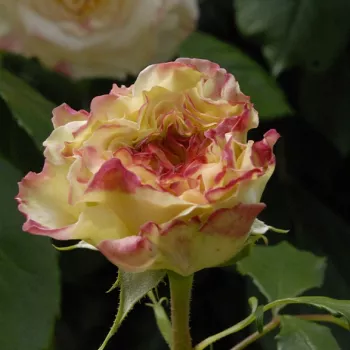
Cream-white base with pale yellow and airy pink tones in bud, opening to porcelain white with buttery centres, then fading towards near snow-white; colour retention moderate in sun and over time. |
| Fragrance and aroma |
Soft, honeyed fragrance with very weak overall intensity, usually only noticeable at close quarters on still, warm days, so it partners well with more strongly scented companion plants nearby. |
| Hip characteristics |
Forms hips in moderate quantities after flowering; small spherical fruits around 10–14 mm in diameter, colouring to an attractive orange-red that adds subtle late-season interest in the garden. |
| Resistance and winter hardiness |
Moderate resistance to common rose diseases such as powdery mildew, black spot and rust; fully hardy to about −32 to −29 °C, rated RHS H7 and suitable for colder British and northern European regions. |
| Horticultural recommendations |
Best on supports such as pergolas, arbours, walls or fences at 140–240 cm spacing; tolerates partial shade, needs occasional deadheading and plant protection, and benefits from regular watering in dry spells. |
EVECHANTI offers generous repeat flowering, adaptable part-shade climbing and a long-lived, resilient own-root framework that rewards patient training, making it a thoughtful choice for understated vertical structure in compact gardens.