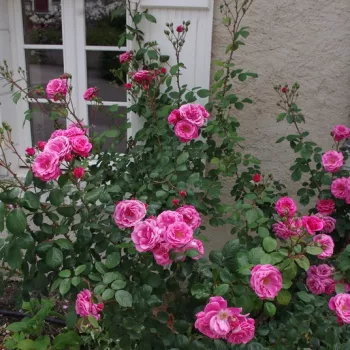
ÉTUDE – deep pink climbing rose - Gregory
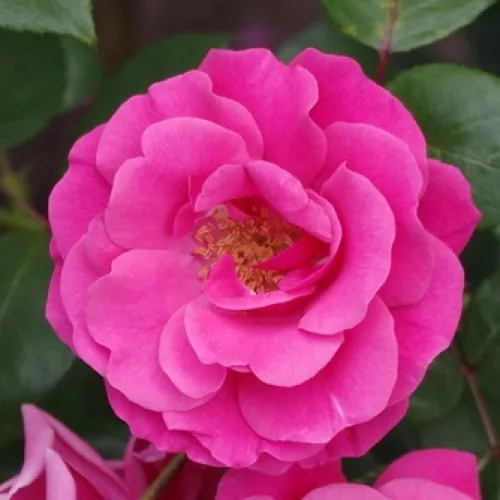
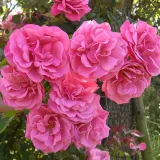
Along a London terrace or small family garden boundary, ÉTUDE brings a refined sense of balance, with raspberry-pink clusters and a strong, sweet fragrance that hangs in the air after rain where wind and damp conditions can test less resilient roses. This compact climber is easy to train on fences, trellises and narrow pergolas, rewarding light deadheading with a generous repeat display and decorative hips later in the season. As an own-root plant, it offers reassuring longevity, stable colour and predictable growth, settling in steadily as roots establish, top growth builds, and by the third year it reaches its full ornamental impact. With peat-free compost, simple drainage care and captured rainwater, ÉTUDE fits naturally into green, sustainable front-garden design.
Usage options
| Target area |
Reasoning |
| Terraced-house front fence or railing |
ÉTUDE’s moderate height and controllable spread suit narrow front plots, giving vertical colour without overwhelming pavements or neighbours’ windows. Its own-root vigour supports a long-lived structure with minimal pruning skill needed for beginners. |
| Wall-trained beside the front door |
Clusters of deep pink, cup-shaped blooms and strong, raspberry fragrance create a welcoming entrance, even in part shade. Reliable colour from bud to fall ensures an elegant backdrop for daily coming and going for homeowners. |
| Rainwater-friendly gravel or clay garden |
Planted into improved, free-draining soil above heavier clay, this climber copes with breezy, damp spells that often challenge roses, particularly in exposed urban streets, supporting a resilient, low-fuss display for city-gardeners. |
| Small pergola, arch or porch frame |
Its medium-sized, flexible canes are straightforward to tie in, giving good coverage on compact arches or porches. With repeat flowering through the season, one plant can deliver months of colour for busy-gardeners. |
| Large container on balcony or paved front |
In a 40–50 litre pot with peat-free compost, ÉTUDE provides height and fragrance where soil is limited. Own-root plants re-sprout well after hard pruning, helping maintain an attractive outline for balcony-owners. |
| Cutting corner for scented stems |
Medium, double blooms on cluster stems make charming, long-scented cut flowers. Regular picking or deadheading helps encourage its repeat flush, so one plant can serve both garden and vase for hobby-florists. |
| Wildlife-aware family garden boundary |
If some spent blooms are left in late summer, the plant forms orange-red hips that add seasonal interest and light wildlife value, while its flower form allows at least modest access for visiting insects for eco-conscious-families. |
| Structured colour scheme with perennials |
ÉTUDE’s consistent deep-pink tone partners well with silvery foliage and purples, giving a reliable vertical accent that does not clash as it matures, ideal for simple, repeatable planting schemes for design-minded-beginners. |
Styling ideas
- Doorway-theatre – Train ÉTUDE around a narrow porch with lavender at its feet for a scented, bee-pleasing entrance – ideal for time-pressed homeowners.
- Romantic-railings – Weave canes through black metal railings, underplant with lamb’s ear for soft contrast – suited to compact London terraces.
- Pink-harmony – Pair with nepeta and sage in a front gravel strip to echo its raspberry tones – perfect for low-maintenance city borders.
- Balcony-column – Grow in a 50 litre container with a slim obelisk, adding trailing thyme around the base – good for renters and balcony gardeners.
- Evening-scent – Place near a bench with baby’s breath and crocosmia ‘Lucifer’ for glowing colour and perfume – appealing to fragrance lovers.
Technical cultivar profile
| Parameter |
Data |
| Name and registration |
ÉTUDE is a large-flowered climbing rose from the Climbing rose collection, known in exhibitions as Étude, used as an ornamental garden climber and premium own-root container rose. |
| Origin and breeding |
Bred by Charles Walter Gregory in the United Kingdom in 1965 from ‘Spectacular’ × ‘New Dawn’; introduced from 1973 by C. Gregory & Son Ltd. in Britain and Roy H. Rumsey Pty. Ltd. in Australia. |
| Growth and structural characteristics |
Medium climber reaching about 1.8–2.6 m high with a 1.2–2 m spread; moderately dense, slightly glossy dark green foliage and moderate thorniness suit fences, walls and smaller pergola structures. |
| Flower morphology |
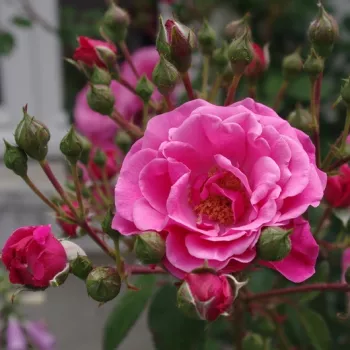
Medium-sized, double, cup-shaped blooms with roughly 26–39 petals, borne in clusters; remontant with a lighter second flush, and weak self-cleaning, so regular deadheading maintains appearance and promotes repeat. |
| Colour data and phenology |
Deep raspberry-pink flowers (RHS 57C outer, 57B inner) open from cyclamen-pink buds, showing subtle silvery edges; colour fades only slightly to a warm pink while retaining its main hue until petals fall. |
| Fragrance and aroma |
Strong, long-lasting sweet fragrance with a pronounced raspberry character; flowers are partly open so stamens remain accessible, allowing moderate pollinator visits despite the fuller, decorative petal formation. |
| Hip characteristics |
Where spent blooms remain, it sets spherical, orange-red hips about 10–14 mm across, appearing moderately on established plants and providing seasonal ornamental interest into autumn and early winter. |
| Resistance and winter hardiness |
Hardy to about −21 to −18 °C (RHS H7, USDA 6b, Sweden zone 3); however, it is susceptible to powdery mildew and black spot and very prone to rust, so regular monitoring and protection are advisable. |
| Horticultural recommendations |
Best on sunny to lightly shaded supports with improved drainage; suitable for fences, walls, pergolas and large containers, planted 1.4–2.5 m apart depending on use, with attentive watering during hot, dry weather. |
ÉTUDE offers rich raspberry-pink blooms, strong fragrance and reliable repeat flowering on a long-lived own-root framework, making it a thoughtful choice for sustainable, small-space gardens and considered front-of-house planting.