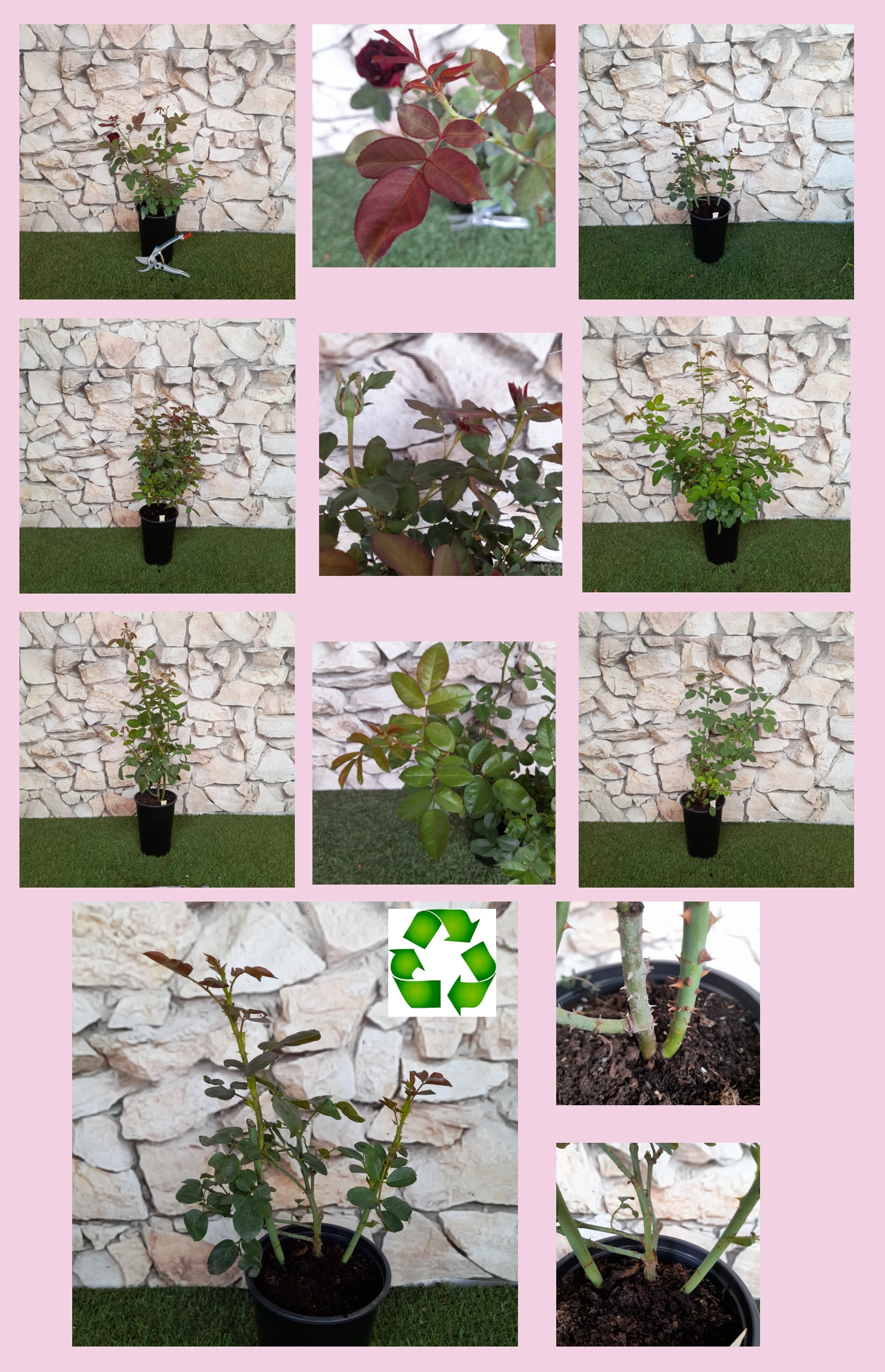
ENA HARKNESS™ – scarlet hybrid tea rose
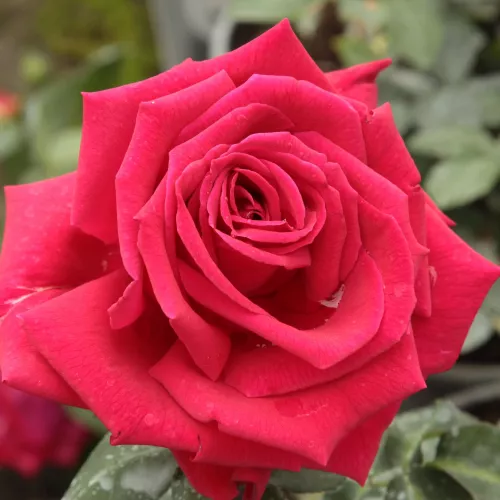
With its velvety, crimson-scarlet blooms and very strong fragrance, ENA HARKNESS™ brings classic hybrid tea elegance to compact family gardens while remaining surprisingly easy to live with. Own-root planting adds reassuring long-term stability, so the bush keeps its character even after harder pruning or a harsh winter. In a typical London front garden it thrives in sun with reliable watering, coping well with damp spells and the kind of humidity that often encourages fungal problems elsewhere. Over time it becomes a reliably resilient presence: in the first year it focuses on root development, in the second it builds confident new shoots, and by the third it settles into its full ornamental rhythm, forming an upright, medium-height structure that fits neatly beside paths, low hedges or front-door steps, especially where rainwater is carefully directed, slowed and allowed to soak away naturally.
Usage options
| Target area | Reasoning |
|---|
| Front garden focal point |
The upright, medium-height habit and glowing scarlet blooms create a strong focal point beside a doorway or front path without overwhelming a narrow space, ideal for welcoming entrances in small urban plots, especially for beginners. |
| Cutting patch or flower border |
As a traditional hybrid tea, it produces long-stemmed, well-shaped blooms with a very strong, classic rose scent, meaning a single bush can supply richly perfumed stems for vases over a long season, perfect for homeowners. |
| Rain-conscious city planting strip |
Planted in well-drained soil improved with compost or grit, it copes reliably with wet spells while preferring regular watering in drought, making it suitable where downpipes and run-off are managed thoughtfully for urban-gardeners. |
| Own-root long-term feature rose |
Grown on its own roots, it can regenerate from the base after hard pruning or weather damage, maintaining its true variety and shape over many years with modest intervention, reassuring for busy families. |
| Mixed border with perennials |
The dark, velvety red flowers combine beautifully with blue and purple companions such as lavender, sage or nepeta, so a small group gives structure while softer perennials fill gaps and support a relaxed style for creative gardeners. |
| Compact hedge or row |
Regular spacing creates a low, fragrant hedge that marks boundaries without blocking light; repeated planting at 50–60 cm adds rhythm along a path or front boundary, suiting those who appreciate subtle structure. |
| Container planting on patio or terrace |
In a 40–50 litre peat-free container with good drainage, it offers concentrated colour and scent close to seating or a front step; watering is easy to manage with collected rainwater, convenient for space-conscious balcony-owners. |
| Low-chemical, monitored rose bed |
With moderate disease resistance, it responds well to simple routines: good air movement, tidy watering habits and prompt removal of tired foliage, especially in areas with frequent rain and mild winters, manageable for practical hobbyists. |
Styling ideas
- Doorway-Drama – Place one or three bushes by a townhouse front step, underplanted with soft nepeta to cool the scarlet blooms – ideal for design-aware city dwellers.
- Velvet-Border – Combine with lavender, sage and ornamental grasses for a textural, low-chemical border where one rose anchors the scheme – perfect for time-poor homeowners.
- Heritage-Cut – Dedicate a narrow strip as a cutting row, repeating plants at regular intervals for vases filled with classic, scented blooms – suited to nostalgic flower lovers.
- Ruby-Hedge – Line a front boundary with a short hedge, interspersed with low herbs for scent at ankle level – great for families wanting structure without solid fencing.
- Terrace-Jewel – Grow a single plant in a large container near outdoor seating, with trailing thyme at the rim to soften the pot – perfect for balcony and patio gardeners.
Technical cultivar profile
| Parameter | Data |
|---|
| Name and registration |
Hybrid tea rose, commercial name ENA HARKNESS™ – scarlet hybrid tea rose; ARS exhibition name Ena Harkness; unregistered cultivar widely known and authenticated in specialist collections. |
| Origin and breeding |
Bred in the United Kingdom by Albert Norman from 'Southport' × 'Crimson Glory', introduced in 1946 by R. Harkness & Co. Ltd., forming part of the classic mid-20th-century hybrid tea lineage. |
| Awards and recognition |
Recipient of RNRS Gold Medal in 1945 and Portland Gold Medal in 1955, indicating long-standing appreciation for its flower quality and fragrance among both gardeners and exhibition growers. |
| Growth and structural characteristics |
Compact, upright bush 70–100 cm high and 50–70 cm wide with moderately dense, dark green, slightly glossy foliage; stems are densely thorned, giving a sturdy, traditional hybrid tea presence in borders. |
| Flower morphology |
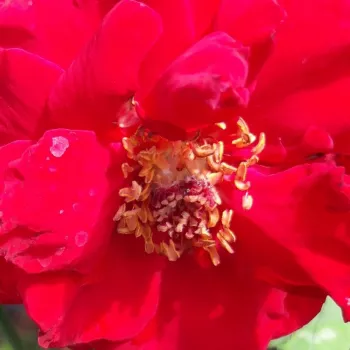
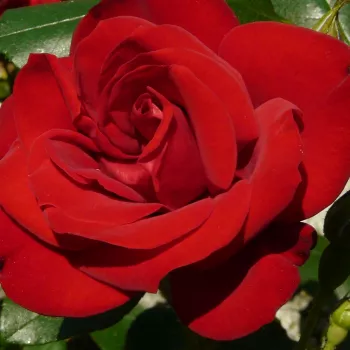
Double, cup to goblet-shaped blooms with 26–39 petals, medium size on mainly solitary stems; remontant habit with a strong second flush ensures repeating displays across the main growing season. |
| Colour data and phenology |
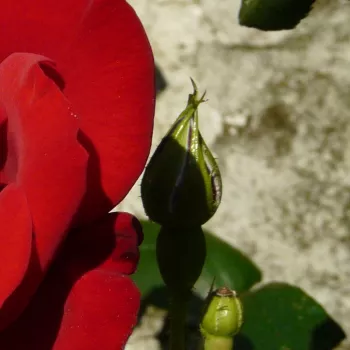
Velvety scarlet with a subtle black undertone; buds open deep burgundy, then intense glossy red, softening to matte crimson in sun; colour lightens slightly in heat but stays rich in cooler conditions. |
| Fragrance and aroma |
Very strong, classic old-rose scent that readily fills a small garden area and is easily appreciated indoors when cut; especially valued by those prioritising perfume over maximum pollinator access. |
| Hip characteristics |
Due to double flowers, hips are sparse; where formed, expect small, red, egg-shaped hips around 12–16 mm diameter, adding a discreet autumn accent rather than a dominant decorative feature. |
| Resistance and winter hardiness |
Hardy to approximately -21 to -18 °C (RHS H7, USDA 6b; Swedish zone 3); disease resistance moderate, with occasional powdery mildew, black spot and rust requiring routine monitoring and care. |
| Horticultural recommendations |
Best in full sun with enriched, well-drained soil; water during prolonged dry spells, deadhead to encourage repeat flowering, and consider light preventive care where fungal pressure is consistently high. |
ENA HARKNESS™ offers richly scented scarlet blooms, compact structure and dependable own-root longevity, making it a thoughtful choice if you enjoy classic roses and prefer a rose that will reward steady, uncomplicated care over many seasons.