Duchesse De Montebello – pink historic China rose – Laffay
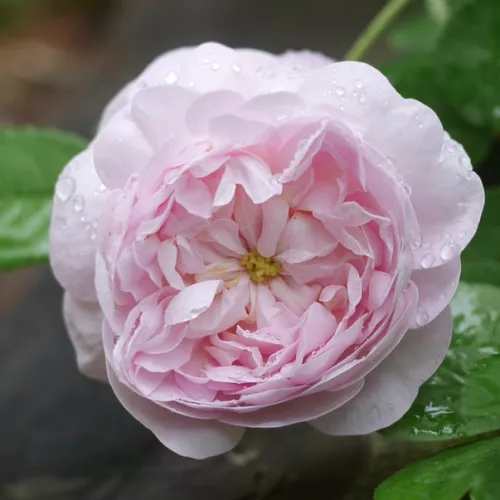
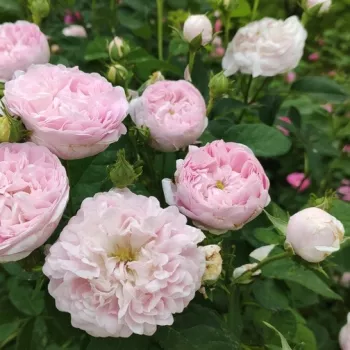
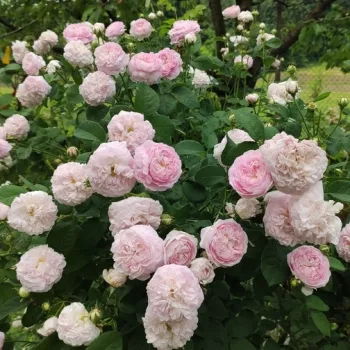
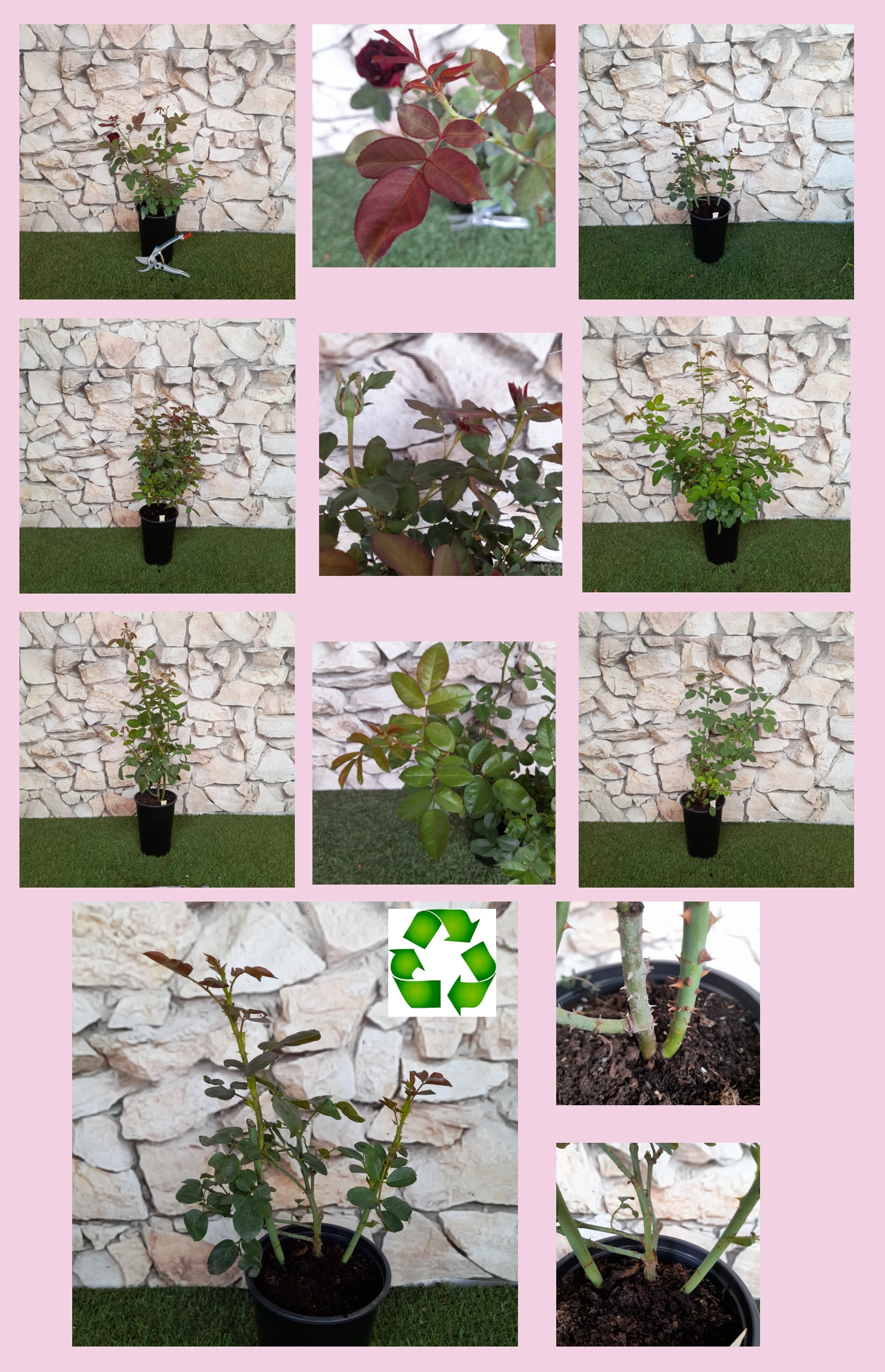
Step out to your front path after rain and this early 19th‑century rose greets you with perfume and soft pink, cupped blooms that seem to glow against matt mid‑green foliage. Bred in France in 1824, it grows into a bushy, upright shrub, lending gentle structure and a sense of lived‑in romance to compact, rain‑fed urban gardens where gusty showers and overcast days are part of the charm. Once‑a‑season flowering becomes an event: for several weeks it is covered in very full, cluster‑borne flowers, then settles into a calm green presence, promising decades of character. Planted on its own roots in a 2‑litre container, it establishes steadily, focusing first on roots, then on leafy growth, and by its third summer typically delivers its full ornamental impact with balanced height, generous foliage and a quietly resilient framework. Use it as the softly romantic, sustainable centrepiece to a London terrace front garden, partnering beautifully with perennials and gravel for an easy‑care, rainwater‑friendly space.
Usage options
| Target area |
Reasoning |
| Front garden feature shrub |
Its upright, bushy habit and dense foliage create an elegant, medium‑sized shrub that sits beautifully beside a front path or bay window, giving year‑round structure without overwhelming smaller plots, ideal for time‑pressed town and suburban householders who value graceful planting for the whole family. |
| Romantic flower border |
The once‑a‑year flowering forms a concentrated flush of pastel pink, cupped blooms that read as a soft cloud within a herbaceous border, pairing especially well with cranesbills and airy whites for a classic cottage feel that suits relaxed gardeners seeking seasonal spectacle with modest ongoing effort. |
| Historic or period‑style planting |
Originating in 1824, this old garden rose brings genuine heritage character to Victorian terraces and older properties, its form and colour harmonising with brick, stone and wrought iron, appealing to those who prefer authentic, long‑lived roses that quietly anchor a design over many years. |
| Low‑input, long‑term shrub rose |
Own‑root plants show good capacity for renewal if lightly pruned and watered in dry spells, gradually forming a stable shrub that can be rejuvenated from basal shoots, reassuring gardeners who want a rose that will remain reliable and ornamental with only occasional, straightforward maintenance. |
| Rainwater‑friendly front garden redesign |
Planted into improved, free‑draining soil, it copes well with typical UK rainfall patterns, leaving space for gravel, permeable paving and companion perennials so you can divert roof water into the bed rather than the drain, suiting urban owners interested in softer, climate‑aware gardens. |
| Part‑shaded side return or courtyard |
Its tolerance of partial shade allows planting where sunlight is limited to a few good hours, such as narrow side gardens and shared courtyards, where it still produces an attractive flush of blossom, a practical solution for city dwellers making the most of every usable outdoor corner. |
| Cut flowers for the home |
Medium‑sized, very full blooms with strong, classic rose fragrance make charming, short‑stemmed cuts for informal jugs and vases, turning a brief flowering window into a highlight indoors as well as outdoors, appreciated by home‑makers who enjoy small rituals and seasonal fragrance at home. |
| Informal hedge or screen |
Planted at hedge spacing, the dense, mid‑green foliage and upright habit provide a soft visual barrier that filters views rather than shutting them off, particularly useful along front boundaries or between gardens for those wanting gentle privacy without resorting to hard fencing solutions. |
Styling ideas
- Terrace‑Romantic – Underplant with lavender, nepeta and soft pink cranesbills along a London terrace path for a powder‑pink focal point – ideal for homeowners wanting a welcoming, traditionally pretty frontage.
- Rain‑Garden – Combine with gravel, permeable pavers and drought‑tolerant perennials so downpipes spill into a planting pocket around the rose – suited to urban gardeners aiming for sustainable, low‑mow front gardens.
- Period‑Calm – Set as a solitary shrub against brickwork with Physostegia and white foxgloves for a restrained, historic feel – perfect for those restoring character in older properties without complex planting schemes.
- Cottage‑Border – Mix through a narrow border with sage, catmint and cranesbills to create a loose, “girly” pastel strip along a fence – good for beginners who want soft colour with simple yearly pruning.
- Court‑Yard – Grow in a large 40–50 litre container with airy companions, placing it where part‑day sun reaches a seating area – helpful for balcony or courtyard owners seeking scent and romance in tight spaces.
Technical cultivar profile
| Property |
Data |
| Name and registration |
Duchesse de Montebello is a historical Hybrid China / Hybrid Gallica old garden rose, marketed as a heritage china rose; it is not formally registered and is traded under traditional cultivar names. |
| Origin and breeding |
Bred by Jean Laffay in France and introduced around 1824, this cultivar represents early nineteenth‑century breeding, combining Hybrid China and Hybrid Gallica traits while retaining a distinctly old‑fashioned garden character. |
| Awards and recognition |
Holds the RHS Award of Garden Merit for reliable garden performance, and has repeatedly won Dowager Queen titles at American rose shows, underlining its enduring appeal among historic rose specialists and enthusiasts. |
| Growth and structural characteristics |
Forms an upright, bushy shrub 120–180 cm tall and 70–120 cm wide, with dense, matt mid‑green foliage and moderate thorns, creating a substantial yet manageable rose suited to borders, hedging and period‑style displays. |
| Flower morphology |
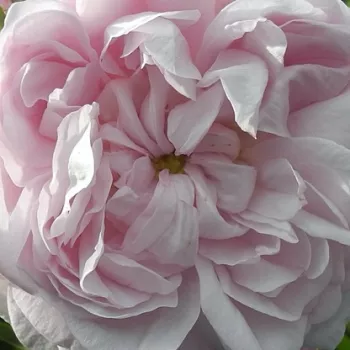
Bears medium‑sized, very full, cupped blooms of 40+ petals in clusters; it flowers once per season rather than repeating, giving a concentrated display well suited to traditional early‑summer rose garden moments. |
| Colour data and phenology |
Soft pastel pink with a powdery effect; buds open medium pink, then soften to pale and sometimes almost white edges, with colour holding best in cooler weather and lightening gracefully in strong sun. |
| Fragrance and aroma |
Strongly scented with a classic, slightly sweet old rose fragrance that is noticeable in still air and after showers, making it valuable where scent is a priority for seating areas, entrances and cutting for the house. |
| Hip characteristics |
Rosehip set is typically sparse due to the very double flowers; when present, hips are small, spherical, and orange‑red, around 9–15 mm, adding a modest ornamental note rather than a heavy winter display. |
| Resistance and winter hardiness |
Rated H7 and hardy to approximately −32 to −29 °C, with medium disease resistance; benefits from good air circulation and appropriate watering to reduce black spot, mildew and rust in humid or enclosed gardens. |
| Horticultural recommendations |
Prefers improved, well‑drained soil with regular watering in prolonged dry periods; space plants generously, prune lightly after flowering, and choose a sunny or lightly shaded position for best flowering and shrub form. |
Duchesse de Montebello offers fragrant once‑a‑year blossom, graceful structural presence and dependable own‑root longevity, making it a thoughtful choice if you envisage a quietly romantic, enduring rose in your garden.