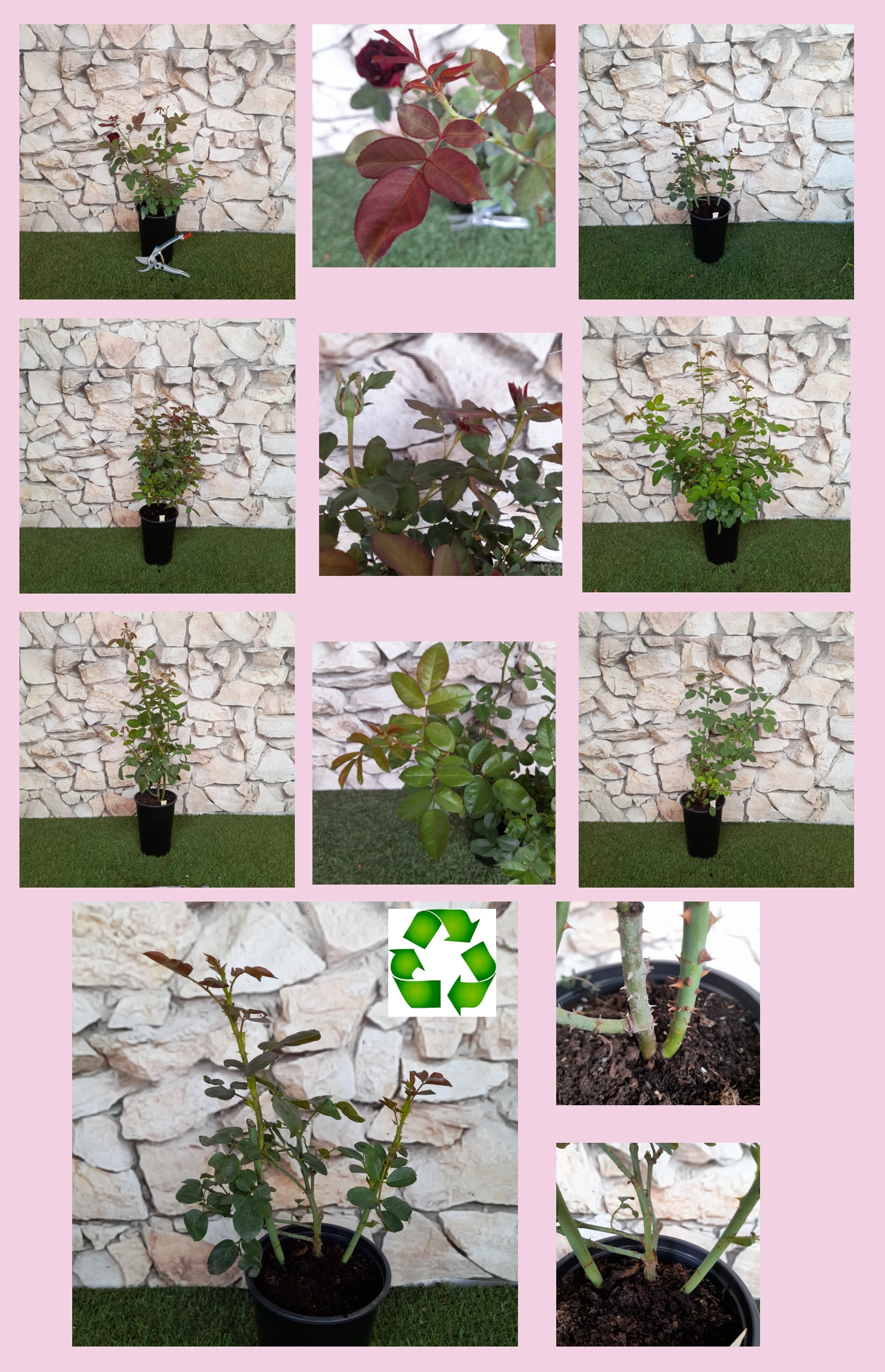
KEW RAMBLER – pink climbing rambler rose
Step out to a London-style front garden where pastel clusters of single blooms wash pergolas and fences in light, and enjoy how this vigorous rambler asks for remarkably little effort. KEW RAMBLER is an own-root, container-grown rose that settles in reliably, giving you a long-lived, low-fuss structure for arches, walls or trained into a small tree. Its open, nectar-rich flowers are highly pollinator-friendly, drawing bees and butterflies, while self-cleaning petals melt away to reveal decorative orange hips for autumn and winter birds. Well-suited to breezy, wet British conditions with good disease tolerance and foliage that stays clean in humid spells, it suits those managing heavy soils and looking for simple rainwater capture along a path or front boundary. As roots establish, KEW RAMBLER moves from quiet first-season growth to confident second-year coverage, before reaching its full, immersive ornamental value around the third summer.
Usage options
| Target area |
Reasoning |
| Front-garden pergola or arch |
KEW RAMBLER’s long, flexible canes are ideal for clothing a front-garden pergola or arch in soft pinks, creating a welcoming entrance in even modest London plots. Once tied in, it needs little more than basic guiding, making it realistic for time-pressed city gardeners who still want a romantic focal point for beginners. |
| Rainwater-friendly fence or boundary |
Planted along a fence with a gravel strip or permeable surface, this rambling rose uses its extensive root system to help stabilise and dry heavy ground while you direct roof run-off into the planting zone, supporting a greener, more absorbent boundary for urban-owners. |
| Wildlife corner and pollinator strip |
Single, nectar-rich flowers provide excellent forage during their flowering window, followed by clusters of small orange hips that persist into winter for birds, allowing you to turn an overlooked corner into a wildlife corridor that still feels deliberate for nature-lovers. |
| Climbing feature over a small tree |
With its rambling habit and moderate thorniness, KEW RAMBLER can be trained through a sturdy small tree, creating a high, pink canopy with minimal pruning, a useful option where ground space is tight but vertical structure is available for creative-gardeners. |
| Low-maintenance long-term screen |
Strong growth and moderate foliage density allow this rose to form a graceful privacy veil over time; once established, it mainly needs occasional thinning, offering an elegant, long-lived screen that suits those preferring planting to hard fencing for family-homes. |
| Shady side return or partial-shade wall |
Its tolerance of partial shade means KEW RAMBLER can brighten side returns or north-east aspects where many roses struggle, providing a soft flush of pastel colour without demanding full sun, a practical answer for narrow terraced-house plots for shade-challenged. |
| Large wildlife-friendly container |
In a stable 40–50 litre peat-free container with a trellis or arch, this own-root rambler offers vertical colour and hips on patios or balconies, with simple watering and feeding the main tasks, keeping rose growing accessible to space-limited balcony-gardeners. |
| Easy-care, disease-resilient family rose |
Robust general disease resistance and self-cleaning flowers mean fewer sprays and less deadheading, while its own-root habit supports long-term vigour and recovery after winter or pruning, ideal for families wanting a reliable, low-fuss climber for busy-owners. |
Styling ideas
- Terrace-archway – Train KEW RAMBLER over a simple metal arch, underplant with lavender and catmint for scent and pollinator interest – perfect for small terraced-house front gardens.
- Wildlife-lane – Let it scramble along a rear fence with ornamental grasses and seedheads, letting hips feed birds – suited to low-input, nature-led gardeners.
- Cottage-rainborder – Combine this rambling rose with oriental poppies and hardy geraniums in a permeable, gravel-mulched strip – ideal for rainwater-conscious front-garden designers.
- Pastel-canopy – Weave the canes through a small ornamental tree to create a summer “flower cloud” – appealing to romantic gardeners seeking height without complex structures.
- Balcony-screen – Grow in a 50-litre container with vertical supports, pairing with trailing herbs for scent and softness – great for urban balcony owners needing a living privacy screen.
Technical cultivar profile
| Descriptor |
Data |
| Name and registration |
KEW RAMBLER – pink climbing rambler rose; exhibition rambler for arches and pergolas; unregistered variety with established usage, recognised as a classic rambler in the climbing rose group. |
| Origin and breeding |
Bred at the Royal Botanic Gardens, Kew, from Rosa soulieana × ‘Hiawatha’; introduced in 1913 and valued for its vigorous rambling habit, soft pastel colouring and wildlife-supporting hips. |
| Growth and structural characteristics |
Strong, rambling climber reaching about 5–7.5 m high and 3–5 m spread; moderately thorny shoots with grey-green foliage; best trained and tied in to supports for arches, pergolas, trees or fences. |
| Flower morphology |
Single, flat flowers with 5–12 petals, small in size but massed in large, showy clusters; once-flowering flush rather than repeat; self-cleaning petals fall quickly, leaving decorative hips on the canes. |
| Colour data and phenology |
Buds open deep pink, then pastel pink, fading towards creamy white; final blooms are almost white with a soft pink rim, creating a gentle, blended effect over the flowering period in early summer. |
| Fragrance and aroma |
Medium-strength scent with a noticeable, delicate muscat-like character; fragrance is most apparent in still, mild weather and adds a light, refreshing note around pergolas, paths and seating areas. |
| Hip characteristics |
Sets abundant small, spherical orange hips around 7–10 mm across; visually attractive in autumn and winter and appreciated by birds, extending the plant’s ornamental and wildlife value well beyond flowering. |
| Resistance and winter hardiness |
Good general disease resistance with strong tolerance to powdery mildew, black spot and rust; hardy to around −23 to −21 °C (RHS H7), suitable for most UK climates with normal garden care. |
| Horticultural recommendations |
Low-maintenance once established; prefers well-drained soil, including heavier clays improved with organic matter; plant 2.3–4.4 m apart depending on use; suitable for partial shade and own-root long-term culture. |
KEW RAMBLER offers pastel summer arches, wildlife-friendly hips and low-maintenance, disease-resilient growth on a durable own-root framework, making it a thoughtful choice for long-term garden structure and gentle seasonal drama.