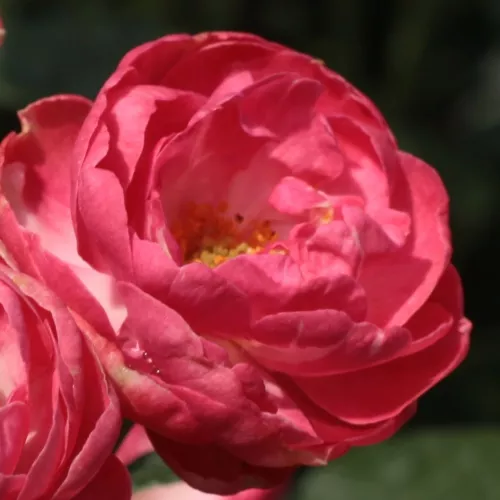
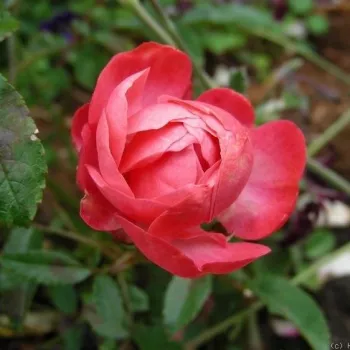
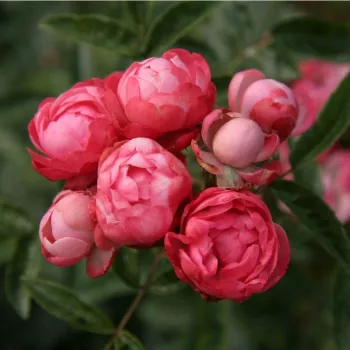
DICK KOSTER™ – pink flowerbed polyantha rose
In a compact London front garden or shared urban space, balance matters: DICK KOSTER™ builds an easy, low hedge of raspberry‑toned pompon blooms that repeat reliably through summer with minimal fuss. This own‑root, container‑grown rose settles in steadily, giving you structure, colour and moderate pollinator interest while coping well with typical British showers and breezes in exposed family plots and coastal streets, even where drainage and humidity can challenge less adaptable roses. Over time, its sturdy root system supports dense, glossy foliage and a carpet of pink clusters, so you can focus on enjoying a rainwater‑friendly, peat‑free planting scheme rather than constant spraying or pruning. In a large pot or as a front‑of‑border edging, its compact habit and clustered flowers read as neat and “girly” without excess maintenance, and its own‑root resilience means that if winter or pruning knocks it back, fresh shoots will regenerate from below. With patient planting and simple care, you can expect roots to anchor and explore the soil in the first year, visible bushy growth and more flowers in the second, and confident, full ornamental value by the third, creating a long‑lived, sustainable accent that quietly supports your everyday garden rhythm.
Usage options
| Target area | Reasoning |
|---|
| Neat front‑garden edging |
The naturally compact, low habit forms a tidy, continuous pink line along paths or drives without dominating a small plot. Regular repeat flowering keeps the edge looking finished between other perennials, suiting busy households seeking dependable structure for beginners. |
| Small urban flowerbed |
Clusters of small pompon blooms provide abundant colour in a narrow bed, while the moderate disease resistance keeps upkeep straightforward. It works well where rainwater drains slowly after showers and wind channels down the street, supporting low‑input, resilient planting for city‑gardeners. |
| Patio container or large pot |
Its dense foliage and steady flowering make an attractive feature in a 40–50 litre container, where roots have enough volume to stabilise growth. The own‑root form supports long‑term pot culture with straightforward renewal after pruning, ideal for balcony‑owners. |
| “Girly” pink entrance planting |
The vivid deep pink, shifting to powder‑pink as blooms age, creates a soft, romantic look against brick, railings or a painted front door. Clustered flowers read as cheerful and welcoming without feeling fussy, enhancing kerb appeal for home‑owners. |
| Low informal hedge |
At 35–50 cm high with a 40–60 cm spread, plants set at hedge spacing knit into a low barrier that gently defines boundaries. Own‑root durability supports a long‑lived line; if one plant is cut back hard, it can regenerate and re‑fill gaps for planners. |
| Rainwater‑friendly mixed border |
Moderate heat tolerance and willingness to repeat‑flower with regular watering make it a good partner in borders designed to capture roof runoff. Combining it with drought‑tolerant perennials helps you manage wetter spells and summer dry periods, suiting eco‑gardeners. |
| Family play‑adjacent planting |
The compact size keeps thorns away from eye‑level while still offering colour and seasonal hips. Medium prickliness discourages trampling without being overly fierce, making it a practical choice near lawns or seating for families. |
| Pollinator‑aware city scheme |
The semi‑double flowers are not the top choice for wildlife, but they still offer some access to pollen and nectar alongside hip production later in the season. Used among more open‑flowered plants, they contribute visual rhythm in designs for pollinator‑supporters. |
Styling ideas
- Terraced‑Charm – Line a narrow front bed with DICK KOSTER™, underplanting with low Carex flacca ‘Blue Zinger’ for soft texture and year‑round structure – ideal for style‑conscious urban home‑owners.
- Pink‑Ribbon – Create a continuous ribbon of pink along a path, interspersing occasional white Gypsophila ‘Festival Pink Lady’ to lighten the scheme – perfect for those wanting a neat, feminine welcome.
- Patio‑Pocket – Grow in a 50 litre clay pot with trailing thyme at the rim, using its compact habit as a floral focal point on a small terrace – suited to balcony or courtyard gardeners.
- Cottage‑Strip – Mix with Phlox paniculata and blue nepeta in a shallow bed, letting the pompon clusters punctuate looser perennials – attractive for fans of relaxed, cottage‑inspired planting.
- Play‑Friendly – Use as a low divider between lawn and seating, pairing with lavender for scent and informal structure – good for families needing clear layout without tall barriers.
Technical cultivar profile
| Parameter | Data |
|---|
| Name and registration |
Polyantha bed rose, registered cultivar name ‘Dick Koster’, commercial name DICK KOSTER™; bush rose, cluster‑flowered exhibition category, marketed as a bedding polyantha for garden and show use. |
| Origin and breeding |
Sport of ‘Anneke Koster’, bred and introduced by D. A. Koster & Sons in Boskoop, Netherlands in 1929; unregistered cultivar, historically established in European bedding rose plantings. |
| Awards and recognition |
Recipient of the Polyantha Spray Award from the Raleigh Rose Society (USA) in 2001, reflecting its ornamental value and performance as a spray‑type polyantha in exhibition contexts. |
| Growth and structural characteristics |
Compact, bushy habit 35–50 cm high and 40–60 cm wide, with dense, glossy dark green foliage and moderate prickliness; self‑cleaning is partial, so some spent clusters may need occasional removal. |
| Flower morphology |
Semi‑double pompon blooms, ball‑shaped in dense clusters; 13–25 petals per flower, small size (approximately 0.5–1.5 inches), remontant with especially abundant second flush after the main early summer flowering. |
| Colour data and phenology |
Vivid deep pink with slight raspberry tinge; bud dark pink, newly opened flowers paler in the centre. Deep even pink at full bloom, later fading to soft powder‑pink tones with lighter petal edges before petals drop. |
| Fragrance and aroma |
Fragrance is very weak and barely perceptible in normal garden conditions; not primarily selected for scent, so planting is recommended where colour, habit and repeat bloom are valued over perfume. |
| Hip characteristics |
Produces small ornamental hips in moderate numbers; spherical, around 5–7 mm in diameter, coloured orange‑red, contributing subtle autumn interest without significantly increasing maintenance requirements. |
| Resistance and winter hardiness |
Rated to approximately −26 to −23 °C (RHS H7, USDA 5b, Sweden Zone 4); disease resistance medium to powdery mildew, black spot and rust, requiring occasional protection and good airflow in humid summers. |
| Horticultural recommendations |
Best in sunny positions for beds, edging, containers and urban green spaces; plant 30–55 cm apart depending on use, water during prolonged dry spells, and deadhead clusters where desired to tidy and extend display. |
DICK KOSTER™ offers compact, long‑season pink clusters with reliable structure and modest pollinator interest; as an own‑root rose it promises durable, regenerating growth for those seeking steady colour with uncomplicated care.