DENTELLE DE BRUXELLES – carmine-red rambler climbing rose – Lens
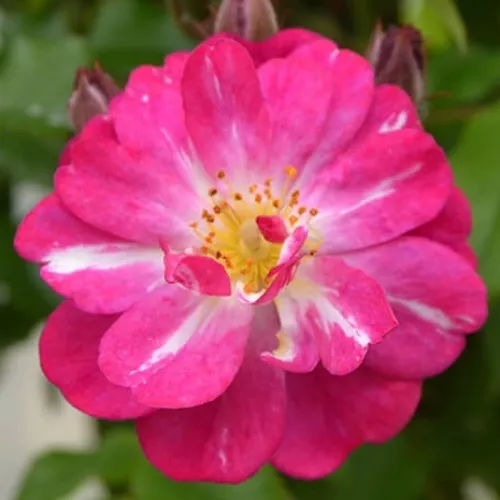
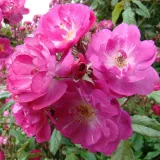
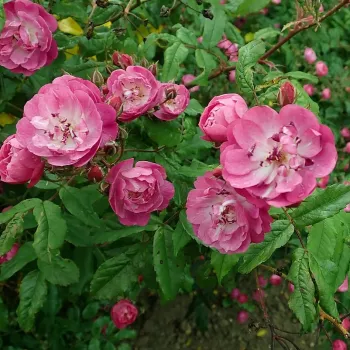
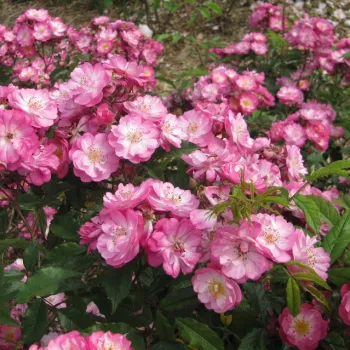
Bring a touch of romantic lace-work charm to your front garden with Dentelle de Bruxelles, a carmine-red rambler rose that covers arches, trellises or downpipes in airy flowers and hips while coping calmly with typical British rainfall and heavier soils in small city plots. Semi-double clusters open in vivid carmine-red, then soften to pink and lilac tones, offering long seasonal interest for people who prefer effortless beauty over complicated pruning schedules, and a mild fragrance that suits close-to-the-door planting. Own-root plants are naturally long-lived and resilient, quietly regenerating from the base after hard pruning or weather damage, so you can enjoy a stable display with less worry over time. In its first year it settles roots, in the second it pushes confident new shoots, and by the third it delivers its full ornamental value with a relaxed, naturalistic curtain of blossom and autumn hips. Medium disease resistance, good self-cleaning and suitability for partial shade make it a reassuringly reliable choice for beginners and busy householders, especially where downpipes, bin stores or bare brickwork need softening without daily fuss or specialist care. Trained along railings or around a small porch, Dentelle de Bruxelles brings a sense of balance between heritage character and easy modern living.
Usage options
| Target area | Reasoning |
|---|
| Terraced-house front railings or low fence |
Its manageable 1.8–2.8 m height and bushy habit make it ideal for clothing modest front boundaries without overwhelming the pavement, creating soft privacy and a welcoming entrance for busy urban garden owners |
| Arch or porch over a narrow path |
Flexible rambler growth and small, semi-double blooms form light, lacy arches that you can still walk under comfortably, giving a romantic feel to tight spaces for homeowners seeking a gentle feature |
| Rainwater-friendly planting by downpipes |
Once established it tolerates moderate summer dry spells yet accepts wet spells around downpipes, suiting rainwater‑fed planting in compact, hard‑surfaced front gardens for sustainability-minded city gardeners |
| Pollinator-friendly mixed border |
Semi-double flowers with exposed stamens, mild scent and repeat blooming provide regular foraging for bees while still looking decorative in a family border for beginners wanting pollinator support |
| Small specimen for clay or chalky town soils |
Medium vigour, bushy structure and proven consistency of growth give a dependable focal point in less-than-perfect urban soils where space and time for soil improvement are limited for practical family gardeners |
| Low-maintenance vertical greening |
Good self-cleaning, medium disease resistance and own-root resilience reduce deadheading and renovation work, ideal where you need a long-lived climber but minimal routine tasks for time-poor hobby gardeners |
| Part-shaded side return or alley |
Suitability for partial shade and dense, mid-green foliage mean it still flowers and covers bare fences where sunlight is limited between houses, brightening awkward spaces for urban terrace residents |
| Seasonal wildlife and hip interest |
Abundant small, carmine-red hips follow the summer flowers, extending colour into autumn and offering extra wildlife value alongside its long flowering period for nature-conscious front-garden owners |
Styling ideas
- Lacework Arch – Train over a narrow metal arch with lavender and nepeta at the base for a fragrant, bee-friendly tunnel – ideal for beginners wanting maximum effect from one focal feature
- Porch Curtain – Soften a small porch with loose vertical stems and underplant with sage and ornamental grasses – suited to terraced-house owners seeking a cottage feel in little space
- Railway Railing – Weave through front railings with low-growing herbs and groundcover thyme for a green, permeable streetside – perfect for sustainability-focused city gardeners
- Clay-Busting Border – Combine with Monarda and Penstemon for colour and pollinators above improved clay soil – good for family gardens where resilient, easy-care structure is needed
- Autumn Lace – Let stems spill along a side fence with Liatris and late perennials so hips and seedheads shine together – appealing to wildlife lovers who enjoy long seasonal interest
Technical cultivar profile
| Parameter | Data |
|---|
| Name and registration |
Rambler climbing rose from the Climbing rose collection; registered as LENkivi, marketed as Dentelle de Bruxelles; American Rose Society exhibition name Dentelle de Bruxelles. |
| Origin and breeding |
Bred by Louis Lens, Lens Roses, Belgium; cross of ‘Kiftsgate’ × ‘Violet Hood’; bred 1986, registered 1986, introduced 1988 with verified provenance for reliable long-term performance. |
| Growth and structural characteristics |
Bushy rambler with dense, mid-green, slightly glossy foliage and moderate prickles; typical height 1.8–2.8 m and spread 1.2–2.0 m, forming flexible, trainable stems for arches and fences. |
| Flower morphology |
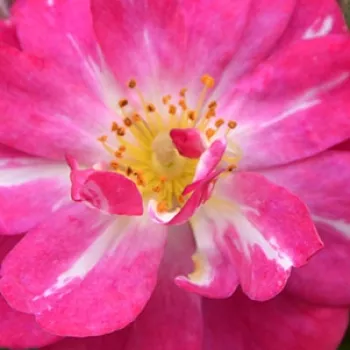
Semi-double, cup-shaped flowers with 13–25 petals, borne in generous clusters; small blooms around 0.5–1.5 inches, remontant with a notably abundant second flush under normal garden care. |
| Colour data and phenology |
Carmine-red with subtle violet tinge; buds dark carmine, opening vivid crimson, then fading to pale pink with whitish-lilac centre; colour holds well, giving layered tones over a long season. |
| Fragrance and aroma |
Mild, subtle fragrance suitable for close planting near paths and doors; small blooms offer a light rose scent that does not overpower confined urban spaces or seating areas. |
| Hip characteristics |
Produces many small, spherical, carmine-red hips 6–10 mm in diameter in autumn, adding ornamental value and seasonal interest, and contributing modestly to wildlife support. |
| Resistance and winter hardiness |
Medium resistance to mildew, black spot and rust; benefits from basic hygiene and timely treatments in humid seasons; very hardy to about −29 to −32 °C (RHS H7, USDA 4b, Swedish zone 5). |
| Horticultural recommendations |
Suited to beds, hedging, parks and urban greens; plant 1.4–2.4 m apart; prefers improved but not waterlogged soil; best in open, airy spots with simple tying-in and light annual pruning. |
Dentelle de Bruxelles offers long-season lace-like flowering, autumn hips and dependable growth on a resilient own-root rambler, making it a thoughtful choice for understated, enduring vertical colour.