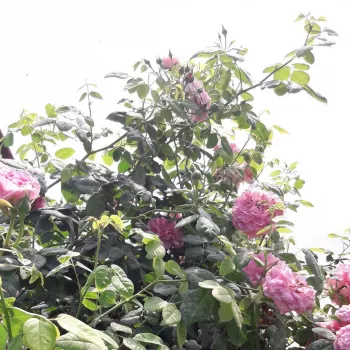
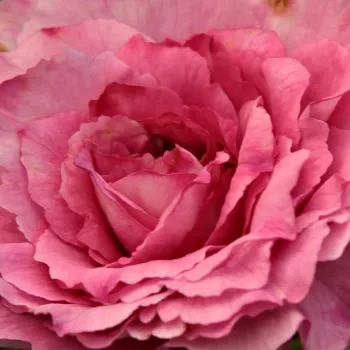
CSÍKSZEREDA – pink bedding floribunda rose – Márk
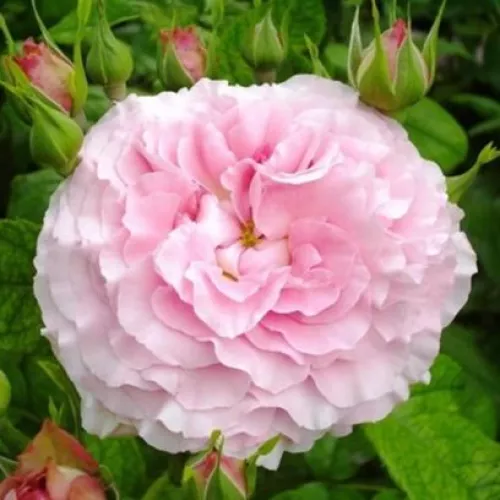
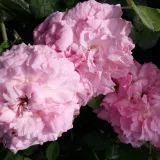
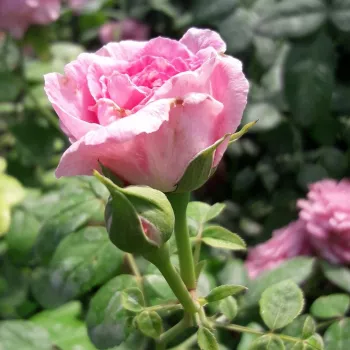
In a compact London front garden or shared urban border, CSÍKSZEREDA offers an easy way to weave a calm, rain‑washed mood into everyday life, performing reliably even where clay soils need thoughtful drainage and planting space is tight. This floribunda forms a bushy, upright structure with dense, glossy, mid‑green foliage that frames waves of carmine‑pink flowers through the summer, lightening gently as each cluster matures. Semi‑double blooms open in globular, pompon heads that read clearly from the pavement, yet keep fragrance subtle and discreet for close‑by front doors and balconies. As an own‑root rose, it builds longevity and resilience steadily – roots in the first year, stronger top growth in the second, then full ornamental impact from about the third – giving you sustainable, low‑drama maintenance for the long term.
Usage options
| Target area | Reasoning |
|---|
| Small London front garden bed |
The bushy, upright habit and medium height make CSÍKSZEREDA ideal for narrow, street‑facing beds where you want long‑season colour without blocking windows. Clustered pink blooms read well from the pavement and complement traditional brickwork for style‑conscious town‑house owners seeking low‑fuss impact. |
| Rainwater‑friendly mixed border |
Planted into improved, free‑draining clay, this rose copes well with regular rainfall, working alongside permeable gravel or planting pockets to slow and use run‑off rather than shed it. Its moderate disease resistance suits moist air, supporting those planning greener urban plots who value sustainable choices. |
| Informal flowering hedge |
At 100–140 cm tall with a 80–120 cm spread, CSÍKSZEREDA forms a softly upright, visually consistent line when spaced around 90–100 cm apart. This creates a pretty, semi‑transparent boundary that flowers repeatedly, appealing to families wanting privacy with colour and minimal faff. |
| Own‑root long‑term feature plant |
The own‑root form builds a stable framework that regenerates well from the base after hard pruning or weather damage, avoiding the graft‑fail issues of budded roses. Over time it retains its shape and flower quality, suiting gardeners who prefer planting once for lasting value. |
| Family‑friendly play‑adjacent border |
Moderate prickliness and an upright, not sprawling, habit make it easier to position near lawns and play space than many shrubbier roses. Semi‑double blooms give interest without heavy deadheading demands, attractive for busy households wanting colour near activity areas with simple upkeep. |
| Large container on balcony or terrace |
In a 40–50 litre or larger pot with peat‑free compost and regular watering, CSÍKSZEREDA forms a vertical accent without overwhelming tight spaces. Its moderate scent and tidy outline work well beside doors or seating, appealing to balcony owners seeking reliable structure and easy control. |
| Pollinator‑minded ornamental corner |
Semi‑double flowers with partially visible stamens offer modest, but not zero, access for bees; planted with nectar‑rich perennials, it contributes to a more insect‑aware scheme. This suits beginners balancing looks with wildlife value and choosing roses as considered companions. |
| Low‑maintenance floribunda display |
Remontant flowering provides a generous second flush with basic feeding and pruning, while moderate disease resistance keeps care routines straightforward in typical British summers with humidity and showers. This is reassuring for new rose‑growers who want dependable colour and straightforward care. |
Styling ideas
- Terraced‑classic – Line CSÍKSZEREDA along a short front path with clipped box or low yew and gravel, giving a traditional yet soft welcome – ideal for town‑house owners wanting period charm with modern practicality.
- Rain‑garden – Combine with Carex flacca ‘Blue Zinger’, permeable gravel and a gentle slope so downpipe water seeps through planting, not paving – good for urban gardeners designing climate‑aware front gardens.
- Romantic‑pastel – Underplant with Gypsophila repens ‘Knuddel’ to soften the base with a froth of white, letting the carmine‑pink blooms float above – suited to those who like a light, “girly” cottage feel.
- Bold‑border – Thread CSÍKSZEREDA through a mixed border with Crocosmia and tall ornamental grasses for contrast between pink clusters and fiery spikes – for confident hobby gardeners who enjoy vivid summer displays.
- Balcony‑calm – Grow one plant in a 50‑litre container with lavender or nepeta edging to cool the pink and add gentle scent – perfect for balcony or patio users aiming for a soothing, low‑effort retreat.
Technical cultivar profile
| Aspect | Data |
|---|
| Name and registration |
Floribunda shrub rose marketed as CSÍKSZEREDA – pink bedding floribunda rose – Márk; a bed rose type for flowerbeds and borders, with the American Rose Society exhibition name also recorded as Csíkszereda. |
| Origin and breeding |
Bred in Hungary in 2006 by Márk Gergely from a self‑cross of ‘Árpád‑házi Szent Erzsébet emléke’; introduced and first distributed commercially by PharmaRosa® Ltd., with some registration dates not publicly documented. |
| Growth and structural characteristics |
Bushy, upright shrub reaching about 100–140 cm high and 80–120 cm wide, moderately thorny, with dense, glossy, mid‑green foliage that clothes the framework well and supports use as a specimen, hedge or mass planting element. |
| Flower morphology |
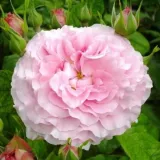
Semi‑double, globular to pompon‑shaped blooms in clustered inflorescences, usually medium sized at approximately 1.5–2.75 inches across, with around 13–25 petals and remontant flowering giving a generous second flush in season. |
| Colour data and phenology |
Vibrant carmine‑pink flowers, ARS code dp; RHS 57C outer, 57B inner, opening deep and rich, then evening to uniform carmine‑pink and finally a paler tone, with slightly lighter petal edges towards the end of each bloom’s life. |
| Fragrance and aroma |
Fragrance is recorded as very weak and barely perceptible, with no strong scent character described, making this cultivar suitable where intense perfume is not desired, such as close to frequently used paths, windows or entrances. |
| Hip characteristics |
Produces moderate numbers of small, ovoid, orange‑red hips about 10–14 mm in diameter, adding discreet autumn interest without significantly compromising the plant’s overall flowering display during the main blooming season. |
| Resistance and winter hardiness |
Moderate overall disease resistance, with powdery mildew, black spot and rust at medium susceptibility levels; hardy approximately to −21 to −18 °C, aligning with RHS H7, Swedish Zone 3 and USDA Zone 6b growing conditions. |
| Horticultural recommendations |
Suited to bedding, hedging and specimen uses at 90–150 cm spacing; medium maintenance with occasional pest and disease control; plant at about 1.0–1.2 plants/m² for mass effect, in reasonably drained soil with regular feeding. |
CSÍKSZEREDA offers long‑season pink clusters, a compact upright shape and dependable own‑root longevity, making it a thoughtful choice if you are planning a durable, low‑effort feature for a family or city garden.