COUTURE R. TILIA – pink bedding floribunda rose – Kawamoto
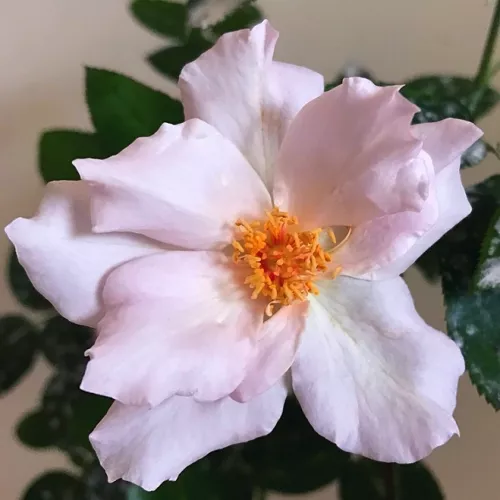
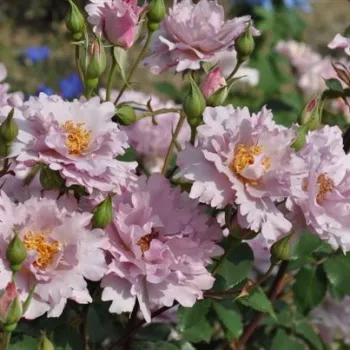
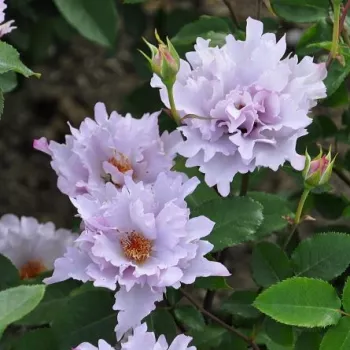
Step off the pavement and into a world of couture calm with COUTURE R. TILIA, a compact floribunda created for easy-care front gardens that still feel indulgently luxurious. Its semi-double clusters in velvety soft pink carry a strong, long-lasting tea-and-spice fragrance that drifts on damp evening air, while the bushy, slightly spreading habit builds a stable, long-term structure in even small urban plots. Bred in Japan for good resistance, it copes reliably with typical UK rain and wind in coastal-style conditions, needing only straightforward care on heavier soils with sensible drainage. Own-root plants settle steadily, offering dependable longevity and the quiet reassurance that if stems are ever cut back hard, new shoots will regenerate from the base. In the first year it focuses on roots, the second on fuller shoots, and by the third year it reveals its complete ornamental impact.
Usage options
| Target area | Reasoning |
|---|
| London terraced-house front garden bed |
The compact, bushy 80–110 cm habit and 60–80 cm spread make it ideal for tight front gardens where you want height, colour and scent without overpowering the space. A low-maintenance planting distance of 50 cm delivers a neat yet generous display, well suited to busy homeowners. |
| Rainwater-friendly urban planting strip |
Planted in a slightly raised strip with free-draining soil, its good disease resistance and moderate heat tolerance cope well where rainfall alternates with dry spells and street wind, helping you manage typical British showers and blustery days in exposed plots, reassuring for city gardeners. |
| “Girly” pastel bedding scheme |
Velvety soft pink blooms with a subtle lavender undertone create a romantic, fashion-inspired look that softens brickwork and paving. Grouping 4 plants per m² in a square layout gives lush, dress-like drifts of colour with minimal fuss, making styling feel instinctive for aesthetic gardeners. |
| Mixed border with perennials |
Semi-double, medium-sized flowers repeat through the season, threading pastel colour between perennials without dominating them. The moderately dense, glossy dark green foliage provides a calm backdrop, pairing beautifully with lavender, nepeta or sage for pollinator-conscious planters. |
| Large container on balcony or patio |
In a minimum 40–50 litre container with peat-free compost, its own-root form and bushy structure give a long-lived potted feature. Regular watering during hotter spells keeps blooms coming, while strong fragrance adds evening atmosphere, ideal for space-limited residents. |
| Low, scented hedge or path edging |
At 40 cm spacing, plants knit into a soft, knee-high line that releases tea-spice perfume as you pass after rain. The slightly spreading habit fills gaps over time, reducing the need for replacements and reshaping, practical for low-maintenance planners. |
| Cut-flower and vase use from the garden |
Medium, semi-double clusters with a strong, long-lasting scent make charming, informal indoor arrangements. Recurrent flowering means you can cut stems without sacrificing garden display for long, rewarding those who enjoy seasonal indoor bouquets as home stylists. |
| Long-term, own-root feature plant |
As an own-root rose, it builds a durable root system that supports regeneration after pruning or winter damage, extending the planting’s life and ornamental value with relatively little ongoing intervention, attractive to future-minded gardeners. |
Styling ideas
- Front-row – Line a narrow front bed with COUTURE R. TILIA and underplant with Alchemilla mollis to catch raindrops in lime-green froth – ideal for homeowners wanting soft “girly” kerb appeal.
- Balcony – Grow one plant in a 50-litre terracotta container with trailing nepeta to spill over the rim – suits flat-dwellers seeking scent and colour without complex care.
- Pastel – Combine with pale lavender and white gaura in a mixed border for a light, airy, romantic feel – perfect for hobby gardeners favouring relaxed, feminine schemes.
- Pathway – Plant a low edging on both sides of a path and allow the slightly spreading bushes to brush your legs, releasing fragrance after rain – good for families enjoying daily sensory walks.
- Feature – Use a single specimen near a doorway, framed by simple evergreen shrubs, to showcase its couture-pink blooms and perfume – suited to beginners wanting one reliable focal rose.
Technical cultivar profile
| Property | Data |
|---|
| Name and registration |
COUTURE R. TILIA, bedding floribunda rose; American Rose Society exhibition name Couture Rose Tilia; collection: Bedding rose; commercial bed rose type; own-root 2-litre container form. |
| Origin and breeding |
Bred by Junko Kawamoto, Kawamoto Rose Garden, Japan; breeding year 2009, introduced 2010 by Keihan Gardening; parentage unknown; selected as an elegant, fragrant floribunda for garden bedding. |
| Growth and structural characteristics |
Bushy, slightly spreading shrub 80–110 cm high and 60–80 cm wide, moderately thorny with moderately dense, slightly glossy dark green foliage; suits beds, borders and larger containers in family gardens. |
| Flower morphology |
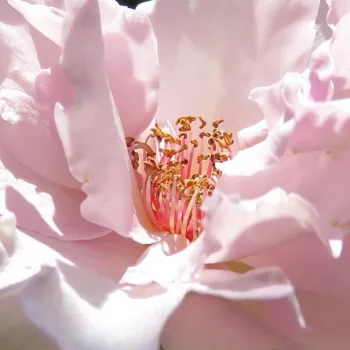
Semi-double, flat, medium-sized blooms (about 1.5–2.75 inches) with 13–25 petals, produced in corymbose clusters; remontant habit provides a generous second flush after the main early-summer flowering. |
| Colour data and phenology |
Velvety soft pink with subtle lavender undertone; ARS mp, RHS 65C outer and 65D inner; buds mid-pink, opening pure pink, then lightening to silvery, pearlescent pastel tones as the flowers age. |
| Fragrance and aroma |
Strong, long-lasting perfume with a classic tea character threaded with spicy notes; fragrance is most noticeable in mild, humid conditions and along sheltered paths, contributing to evening garden atmosphere. |
| Hip characteristics |
Occasional orange-red, ellipsoidal hips, about 8–12 mm diameter; add a modest touch of seasonal interest in late season without significantly reducing the plant’s overall flowering performance. |
| Resistance and winter hardiness |
Good overall disease resistance, notably to powdery mildew and rust; moderate black spot tolerance, occasional treatment may be needed; hardy to about −21 to −18 °C (RHS H7, USDA 6b, Swedish zone 3). |
| Horticultural recommendations |
Best in full sun with well-drained, preferably improved clay or loam; plant 40–80 cm apart depending on use; suitable for beds, mixed borders, groups, low hedges, containers from 40–50 litres, and cutting. |
COUTURE R. TILIA offers compact structure, lingering perfume and reliable disease resistance in a long-lived own-root form, a considered choice if you want enduring elegance from a single, easy-care rose.