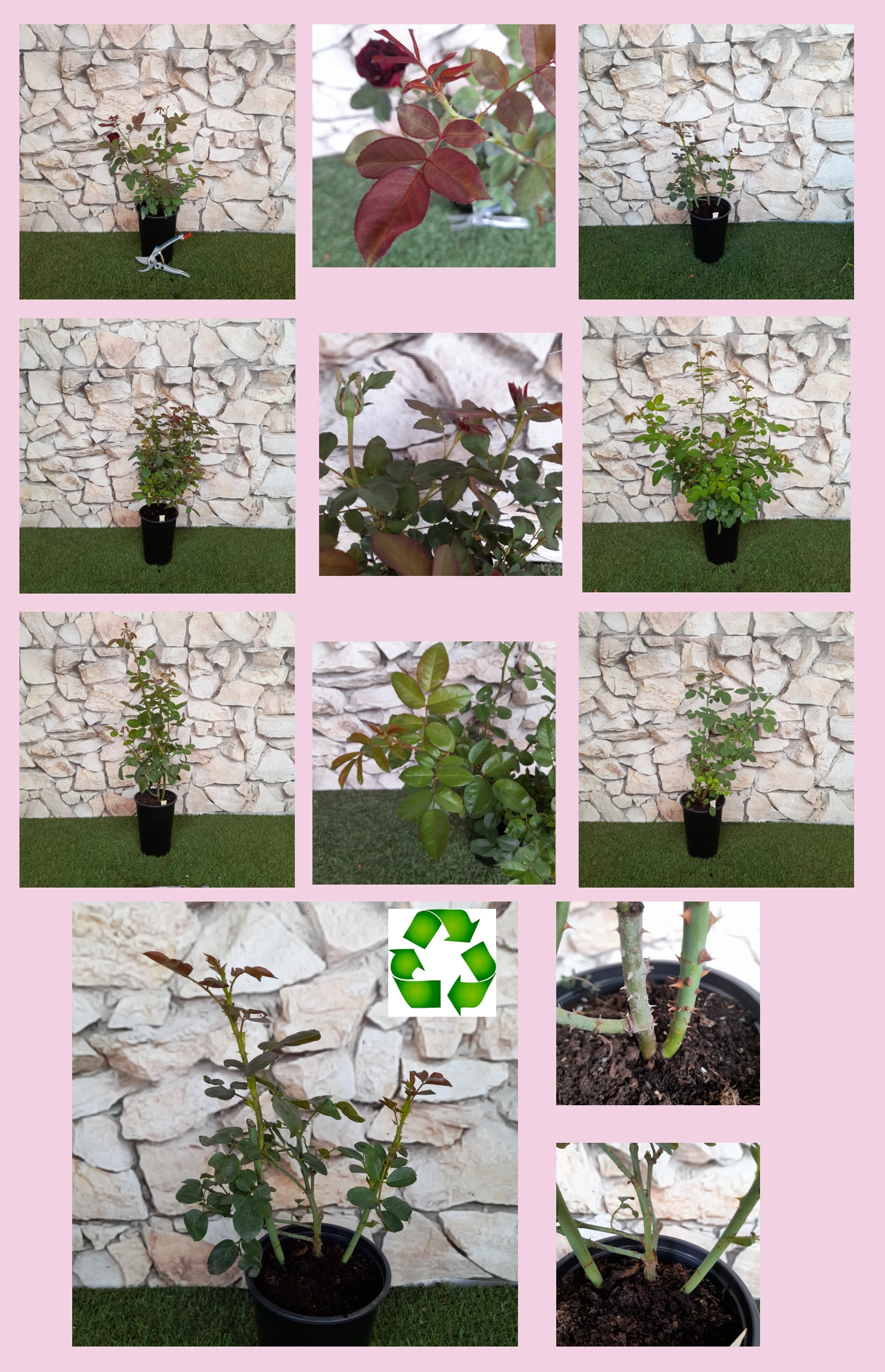
COMTESSE DE PROVENCE – pink hybrid tea rose - Meilland
Imagine returning home through a rain-darkened London street and opening your front gate to the fragrance of large, cupped blooms, their petals brushed with warm salmon-pink that softens to cream as they age. This Romantica® hybrid tea offers a calm, balanced presence, happy in typical British conditions with changeable showers and breezes easing across the garden, while its erect, bushy habit creates a graceful accent beside a path or bay window. In an average family garden or modest urban frontage, COMTESSE DE PROVENCE settles steadily from root to flower, rewarding you with generous, repeat flowering and a distinct peachy aroma. Grown on its own roots in a 2-litre container, it is designed for straightforward planting and long-term longevity, giving you time to enjoy rather than constantly tend this quietly romantic classic.
Usage options
| Target area |
Reasoning |
| Front garden focal rose beside the path |
The tall, erect, bushy structure and XL rosette blooms create an immediate visual focus that reads clearly even from the pavement, ideal for a London terraced-house entrance where every plant must earn its place, appealing to the busy urban homeowner. |
| Rainwater-conscious flower bed in heavy soil |
This own-root rose suits typical British gardens where showers, wind and cooler spells alternate, responding well to improved drainage in heavier clay and rewarding simple, consistent care, giving confidence to the sustainability-minded beginner. |
| Statement container on steps or balcony (50 L+) |
In a large, 40–50 litre or bigger peat-free container, its medium maintenance needs remain manageable, while the bushy framework fills vertical space elegantly without overwhelming small terraces, suiting the time-poor city gardener. |
| Cutting patch for home-arranged bouquets |
Long, straight stems and very double, exhibition-style flowers provide reliable material for vases, allowing repeated cutting from summer onwards without compromising the shrub’s outline, delighting the home flower arranger. |
| Romantic accent in a “girly” mixed border |
The salmon-pink to cream colour shift weaves gently with soft perennials such as lavender, verbena and peonies, building a feminine, layered effect that matures attractively over seasons, inspiring the colour-focused garden stylist. |
| Long-term structural rose in a family garden |
As an own-root plant it forms a durable framework, regenerating from the base if stems are damaged and keeping its variety-true flowers over time, which suits the long-view home gardener. |
| Low-fuss feature with seasonal development |
In the first year it concentrates on roots, the second on stronger shoots, and by the third year it shows its full ornamental value, matching realistic expectations for the patient new rose grower. |
| Moderately protected spot in coastal or exposed sites |
Medium disease resistance and tolerance of typical wind and rain perform well if combined with good air movement and simple hygiene, fitting the needs of the practical coastal gardener. |
Styling ideas
- Doorstep Welcome – Plant one rose each side of a terraced-house door, underplanted with low lavender for scent at ankle height – ideal for style-conscious city dwellers who want instant charm.
- Romantic Ribbon – Position along a narrow front path with soft nepeta edging so blooms brush your shoulder as you pass – suited to those who value a gentle, immersive walk-through experience.
- Balcony Showcase – Grow in a 50–70 litre pot with trailing thyme to spill over the rim – perfect for flat owners seeking maximum effect from minimal floor space.
- Peony Companion – Combine with fragrant peonies and tall verbena for a layered pink-and-lilac palette – appealing to gardeners who enjoy a “girly” yet grown-up planting scheme.
- Evening Perfume Corner – Place near a favourite bench with sage and ornamental grasses to catch and hold the scent – recommended for those who unwind outdoors after work.
Technical cultivar profile
| Characteristic |
Data |
| Name and registration |
Hybrid tea rose, Romantica® collection; registered as MEIbacus, marketed as COMTESSE DE PROVENCE Romantica® MEIbacus, approved exhibition name COMTESSE DE PROVENCE in ARS listings. |
| Origin and breeding |
Hybrid tea from Meilland International SA, bred by Alain Antoine Meilland in France from (‘Centenaire de Lourdes’ × ‘Duke of Windsor’) × ‘Regatta’, introduced 2006–2007 in Europe and USA. |
| Growth and structural characteristics |
Erect, bushy shrub reaching about 130–170 cm high and 85–115 cm wide, with dense, mid-green, slightly glossy foliage and moderate thorns, forming a strong, upright garden presence. |
| Flower morphology |
Very double, rosette-formed XL blooms with over 40 petals, usually borne singly on stems; remontant habit with a generous second flush, most spent flowers needing manual deadheading for best display. |
| Colour data and phenology |
Warm, salmon-toned mid-pink (RHS 36C–36A), buds salmon-pink outside and stronger pink within; flowers open mid-pink then fade to pale cream-rose, lighter in heat and more saturated in cool weather. |
| Fragrance and aroma |
Strong, distinctly scented hybrid tea with a fruity, peach-like character; fragrance is noticeable in still evening air and adds to its value as both a garden feature and a cut flower variety. |
| Hip characteristics |
Occasional spherical hips produced after flowering, around 10–14 mm across, coloured orange-red; mainly of ornamental interest rather than heavy crop, and often reduced by regular deadheading. |
| Resistance and winter hardiness |
Hardy to about −21 to −18 °C (RHS H7, roughly USDA 6b), with good resistance to powdery mildew and black spot, medium rust tolerance, and moderate heat and drought tolerance needing regular watering. |
| Horticultural recommendations |
Best in full sun with well-drained soil; suitable for beds, containers and cutting. Medium maintenance: occasional plant protection, deadheading, and spaced planting at 85–160 cm depending on design. |
COMTESSE DE PROVENCE offers strongly scented salmon-pink blooms, graceful upright structure and long-lived own-root reliability, making it a thoughtful choice for gardeners planning a lasting front-garden feature.