COMTE DE CHAMBORD – pink historic Portland rose - Robert & Moreau
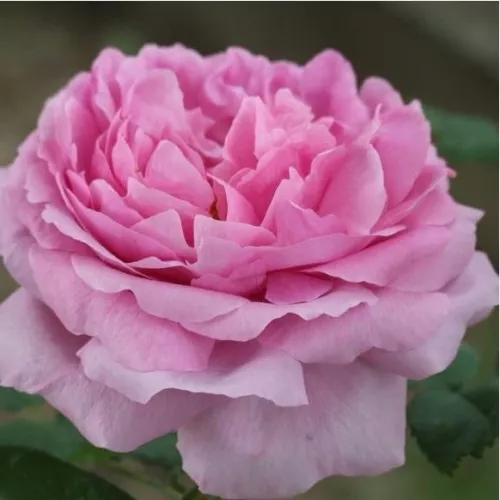
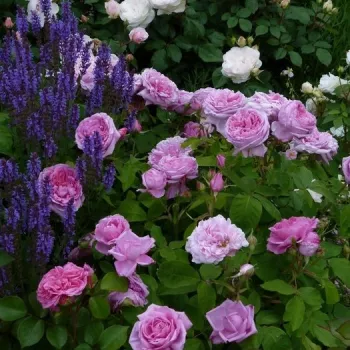
Step out to a softly scented front garden and you meet a rose that makes everyday care feel reassuringly simple: heritage character with modern garden ease. COMTE DE CHAMBORD is an old Portland rose bred in 19th‑century France, now supplied as a compact, own‑root shrub in a manageable 2‑litre container to suit today’s smaller family plots and London terraces. Its bushy habit and mid‑green foliage respond well to regular rain, while coping reliably with heavy soils and breezier sites in a way that suits typical British weather. Expect a graceful curve of development – roots settling in the first year, stronger shoots and shape in the second, then full ornamental presence by the third – giving long‑term value once established. Very double, richly perfumed pink blooms offer classic damask fragrance for cutting and close‑up enjoyment, while the sparsely thorned stems help with low‑stress maintenance in tight spaces. With medium care needs, sound disease resistance and the steady reliability of an own‑root shrub, this is a considered, sustainable choice for relaxed, rain‑watered urban gardens.
Usage options
| Target area | Reasoning |
|---|
| Front garden focal shrub |
Forms a compact, upright bush that fits neatly into the narrow beds typical of terraced-house front gardens, giving a single, memorable flush of mid-pink blooms and rich damask perfume at doorway height for the urban homeowner |
| Low-maintenance cottage-style border |
Medium maintenance needs and an old-rose habit allow you to combine it with hardy perennials and grasses for a relaxed, cottage look, with occasional deadheading and light pruning enough to keep a stable outline for the busy gardener |
| Feature rose in rainwater-conscious planting |
Performs well in typical British wet spells and heavier soils when planted with improved drainage, supporting front gardens that use downpipes and permeable surfaces to slow and hold rainfall in small borders for the sustainability-minded owner |
| Heritage rose collection or period-style scheme |
As an 1863 Portland rose with notable awards, it anchors historically themed plantings, bringing authentic form, fragrance and colour that mature gradually yet remain reliable year after year in one spot for the heritage enthusiast |
| Cut-flower corner in a family garden |
Large, very double blooms on reasonably upright stems are easily reached for cutting, and the strong damask scent carries indoors, so a single bush can supply occasional vases without needing specialist pruning for the home flower arranger |
| Part-shade side return or east-facing bed |
Tolerates partial shade, keeping good colour and structure where taller buildings or fences limit direct sun, allowing flowering performance in the brighter part of the day without demanding a perfect south-facing site for the space-limited gardener |
| Informal low hedge or row |
Regular spacing at around 90–100 cm creates a loose, scented boundary that softens paths and drive edges, with own-root durability supporting recovery if some shoots are damaged by pets, play or weather for the family garden owner |
| Large container by front door |
In a 40–50 litre peat-free container with good drainage, its bushy habit and manageable height suit doorway or patio positions, where fragrance can be enjoyed close-up with straightforward watering and feeding for the balcony and small-space gardener |
Styling ideas
- Victorian-porch welcome – Pair with lavender and nepeta in a small front bed, adding a gravel mulch for drainage and a nostalgic, scented entrance – ideal for period-terrace homeowners.
- Soft-hedged boundary – Plant a loose row along a low fence with thyme at the base, allowing the bushy habit and sparse thorns to frame a path gently – suited to families with children and pets.
- Rainwise city border – Under a downpipe, mix with tufted hairgrass and moisture-tolerant perennials in improved soil to hold and filter roof runoff – perfect for sustainability-led urban gardeners.
- Heritage-cut corner – Combine with smoke bush and old-style perennials to create a cutting patch where large, damask-scented blooms are taken for vases – appealing to home florists and romantics.
- Courtyard statement pot – Grow in a 50 litre container with peat-free compost and sage or dwarf grasses at the rim, making a strongly scented, easy-to-tend feature – designed for balcony and patio owners.
Technical cultivar profile
| Parameter | Data |
|---|
| Name and registration |
Historic Portland rose marketed as COMTE DE CHAMBORD – pink historic Portland rose - Robert & Moreau; ARS exhibition name Comte de Chambord; unregistered cultivar in heritage collections. |
| Origin and breeding |
Bred by André Robert and François Moreau in Angers, France, around 1858, from ‘Duchesse de Portland’ × ‘Baronne Prévost’; introduced by Moreau-Robert in 1863 and now circulated as a classic heritage shrub. |
| Awards and recognition |
Holds the RHS Award of Garden Merit since 1993, is listed in the WFRS Old Rose Hall of Fame from 2022, and has gained multiple Dowager Queen titles with the American Rose Society between 1998 and 2005. |
| Growth and structural characteristics |
Bushy, upright shrub reaching about 80–130 cm in height and spread, with moderately dense, mid-green, slightly glossy foliage and sparsely thorned stems; spent blooms need manual removal for best presentation. |
| Flower morphology |
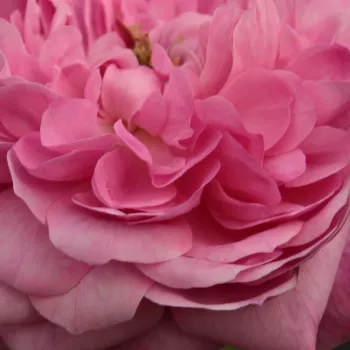
Large, cup-shaped clusters of very double flowers with over 40 petals, opening from buds to full, ruffled heads in a single main summer flush; individual blooms are suitable for cutting and close garden viewing. |
| Colour data and phenology |
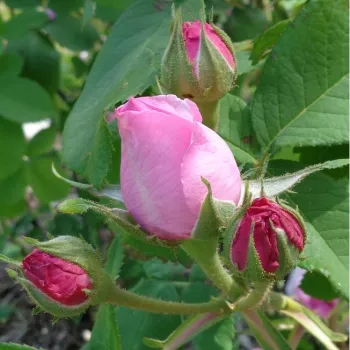
Rich mid-pink with a silvery sheen, buds deeper and more vivid in cool conditions; colour softens to pastel pink with pale peach tones in heat, with overall colour retention and fading rated at moderate levels. |
| Fragrance and aroma |
Exudes a very strong classic damask perfume, noticeable from a distance in still air; fragrance is a principal ornamental feature, though densely double blooms reduce pollen access and limit pollinator interest. |
| Hip characteristics |
Rose-hip set is generally poor because of the very double blooms; when present, hips are ovoid, red, around 14–23 mm across, and form only sporadically, offering limited wildlife or decorative value in most seasons. |
| Resistance and winter hardiness |
Hardy to about -32 to -29 °C (RHS H7; Swedish zone 5; USDA 4b); shows resistance to powdery mildew and black spot, with moderate rust susceptibility, and benefits from regular watering in prolonged heat or drought. |
| Horticultural recommendations |
Best in improved, well-drained soil at 90–180 cm spacing, with medium maintenance including deadheading and occasional pest control; suitable for beds, specimen planting, informal hedging and strongly scented cut flowers. |
COMTE DE CHAMBORD offers rich damask fragrance, compact bushy form and dependable hardiness in an own-root shrub that settles in for the long term, making it a thoughtful choice for those planning a lasting, characterful garden.