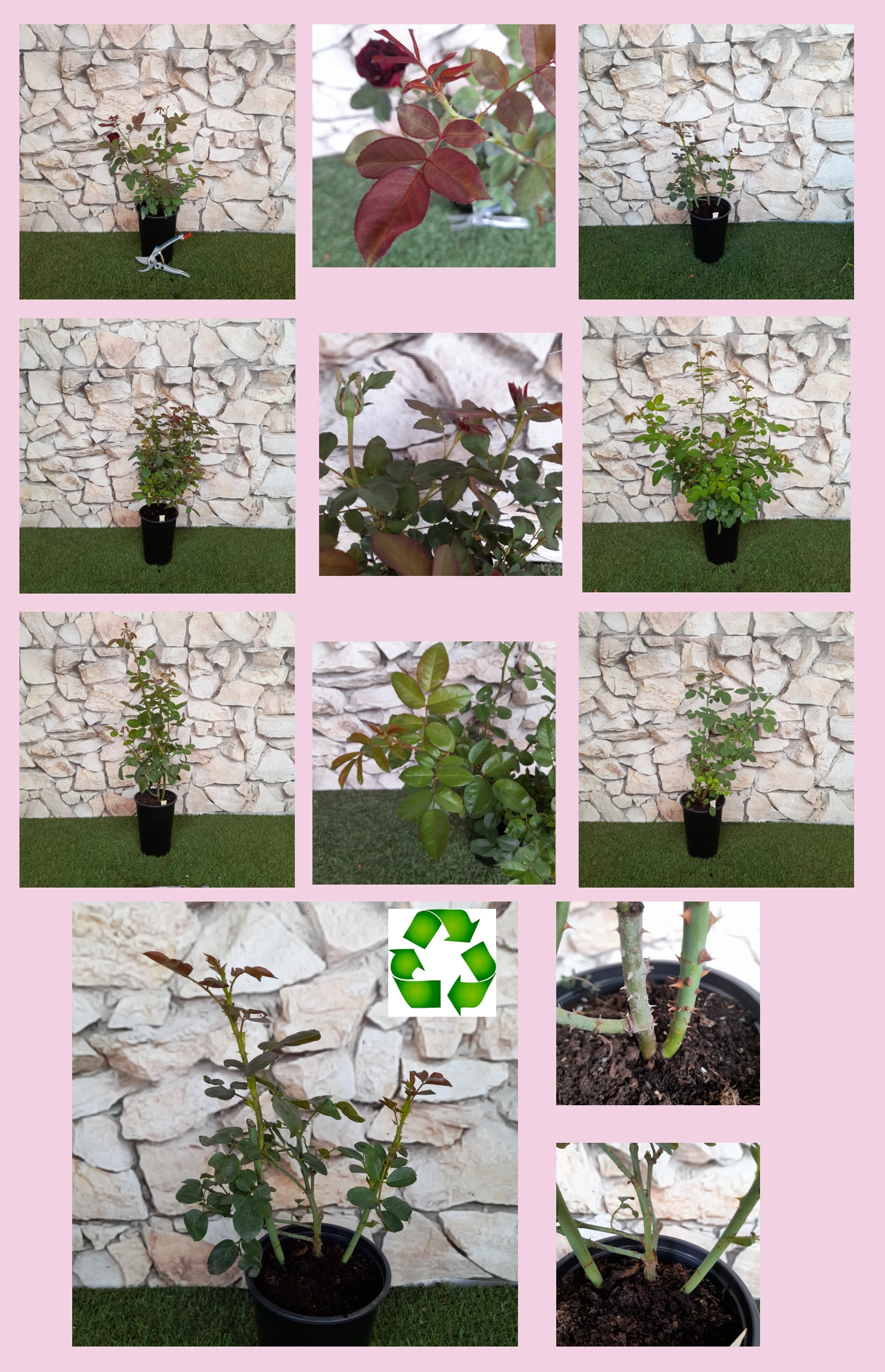
CLAUS DALBY™ – cream-white hybrid tea rose – Olesen
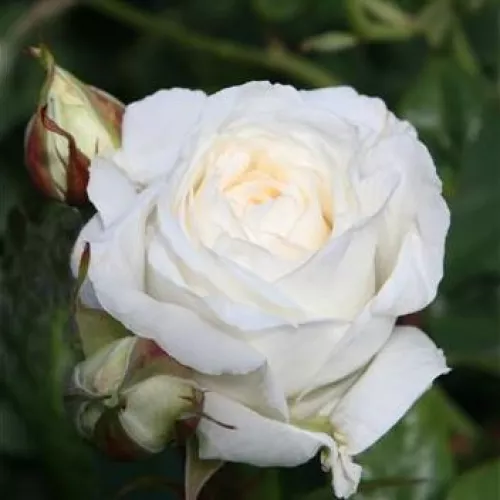
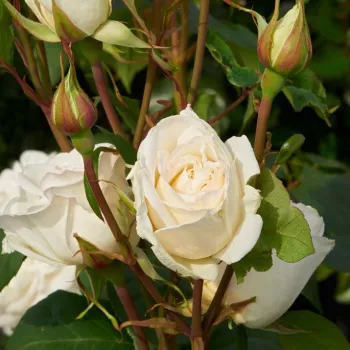
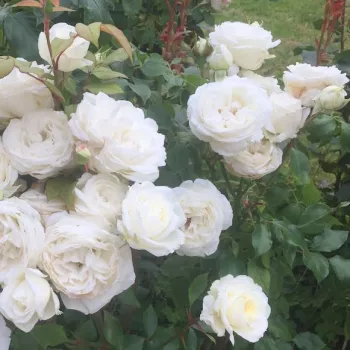
Step out after rain and let Serenity guide you along a subtly scented path: CLAUS DALBY™ is an elegant, cream-white hybrid tea bred for refined balance between show-bench blooms and everyday garden ease. Large, high‑centred flowers open from classic pointed buds into fully double, exhibition-quality heads on a compact, bushy habit that suits London front gardens and smaller family plots. Dense, glossy dark foliage sets off the ivory-cream petals beautifully, while strong, honey-like fragrance carries on still, damp evenings, even where gardens face brisk coastal winds and persistent rainfall. Grown on its own roots, this rose settles in reliably, regenerates well from the base and offers reassuring longevity with only moderate maintenance. In your first year it concentrates on roots, in the second on strong new shoots, and by the third season it typically reaches full ornamental impact with a generous second flush of bloom.
Usage options
| Target area |
Reasoning |
| Front garden focal point |
Use as a single specimen near the front door or gate where its large, high-centred blooms can be appreciated at eye level and the strong honeyed perfume greets visitors on still evenings – ideal for the fragrance-loving homeowner. |
| Small urban rose bed |
Its compact, bushy framework and premium exhibition-type flowers give a highly groomed look in a narrow border, even where the soil is heavy and seasons are wet and breezy, supporting understated elegance for the busy city-dweller. |
| Cutting patch or florist corner |
Long, straight stems with high-centred buds and very full flowers make it an excellent home cutting rose; plant a short row to supply refined, cream-white stems for vases and gifts that please the detail-focused arranger. |
| Container on terrace or balcony |
Suited to a large pot of at least 40–50 litres with free-draining, peat-free compost, where its glossy foliage and repeat flowering create a “mini-rose garden” effect for the space-conscious balcony-owner. |
| Rainwater-conscious front garden scheme |
Position slightly raised from paving or alongside a gravel strip so surplus rain can drain away, then underplant with low perennials to catch runoff, offering style and practicality for the sustainability-minded gardener. |
| Formal mixed border feature |
Plant in threes at 55 cm spacing to form a dense, creamy-white block of colour, backed by evergreen structure or small conifers, giving a long-lasting, classical highlight for the design-aware planner. |
| Own-root long-term planting |
As an own-root rose it builds a stable framework from the base, comes back true after pruning or winter damage and maintains shape without complicated graft care, reassuring the time-poor beginner. |
| Hedging or repeated rhythm |
Use at about 50 cm intervals along a path or boundary to create a low, fragrant line that defines space, repeats colour and offers structure through the season for the family-focused garden-owner. |
Styling ideas
- Soft-cream frontage – Line a short front path with CLAUS DALBY™ underplanted with low nepeta for a romantic, “girly” welcome – suited to urban homeowners wanting graceful structure without intensive care.
- Balcony couture – Grow a single plant in a 50-litre container with trailing thyme and white lobelia to echo its petals – ideal for small-space gardeners seeking one luxurious focal rose.
- Evening perfume – Combine with lavender and sage in a narrow bed where you pass each day, letting honeyed scent and silvery foliage frame the route – perfect for commuters craving a calming return home.
- Formal cream border – Repeat CLAUS DALBY™ between dwarf conifers and evergreen groundcovers for a composed, long-view scheme – for gardeners who appreciate orderly lines and year-round presence.
- Cottage-cut corner – Mix this rose with crocosmia and airy grasses beside a small lawn to provide cutting stems and relaxed movement – suited to creative hobby gardeners who enjoy arranging home-grown flowers.
Technical cultivar profile
| Parameter |
Data |
| Name and registration |
Hybrid tea rose, registered as POUlht009, marketed as Claus Dalby™ Hybrid Tea POULSEN® POUlht009; also exhibited under the American Rose Society name ‘Serenity’ for show purposes. |
| Origin and breeding |
Bred in Denmark in 2006 by Mogens Nyegaard Olesen for Poulsen Roser A/S from unnamed parents; introduced commercially after 2013 following EU plant breeders’ rights registration in 2013. |
| Awards and recognition |
Multiple international distinctions in 2015, including fragrance gold in Tokyo, silver in Tokyo Category I, audience fragrance prize in Nantes, silver in Baden‑Baden and a Paris certificate of merit. |
| Growth and structural characteristics |
Bushy, upright shrub reaching about 85–115 cm high and 65–95 cm wide, with dense, glossy dark green foliage and moderate thorns; self-cleaning of very full blooms is weak and may need manual deadheading. |
| Flower morphology |
Large, solitary, exhibition-style blooms on strong stems, high-centred and very full with over 40 petals; remontant habit produces a generous second flush after the main flowering period each season. |
| Colour data and phenology |
Cream-white blooms, RHS 155C outer and 155D inner; buds ivory with buttery hints, opening to warm cream, then fading towards near snow-white while retaining a soft, creamy warmth in full bloom. |
| Fragrance and aroma |
Strong, long-lasting perfume with a honey-like character, best appreciated at close range and in the evening; suitable as a fragrant cut flower where repeated picking encourages further blooming. |
| Hip characteristics |
Hip set is generally sparse due to very double flowers, though occasional small, spherical orange-red hips 12–16 mm in diameter may form, adding minor late-season interest when present. |
| Resistance and winter hardiness |
Rated H7 and hardy to around –21 to –18 °C (USDA 6b, Swedish zone 3); overall disease resistance is moderate, with typical hybrid tea susceptibility to powdery mildew, black spot and rust. |
| Horticultural recommendations |
Best in sunny positions with well-drained soil; suitable for beds, hedging, containers and cutting; plant 50–55 cm apart for lines or groups, and around 90 cm spacing when used as a single specimen feature. |
CLAUS DALBY™ offers exhibition-style cream-white blooms, rich fragrance and a compact habit on a dependable own-root plant, making it a thoughtful choice for those planning a long-lived, elegant garden feature.