DELVIOLA – lilac-pink hybrid tea rose – Delbard
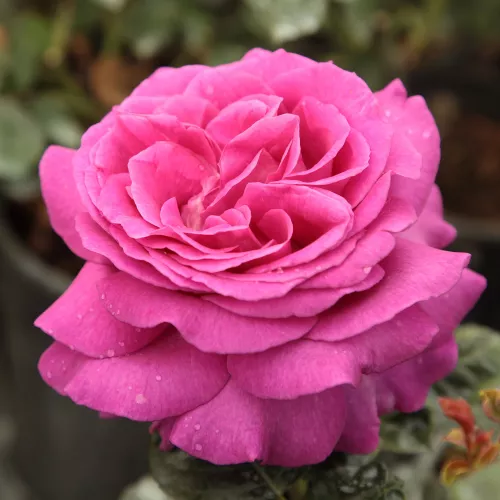
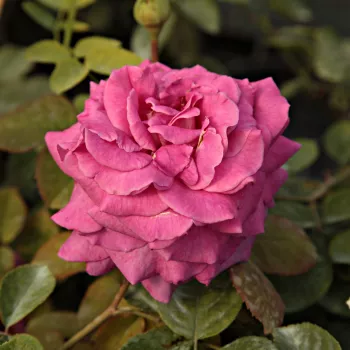
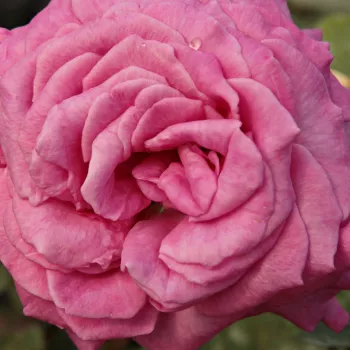
Step outside after rain and let DELVIOLA line your path with fragrance, its extremely strong scent drifting above glossy, dark green foliage and large, exhibition-quality blooms of velvety lilac-pink flowers. Bred by Delbard as a hybrid tea for cutting, it performs equally well in a compact front garden bed or a generous container, coping reliably with damp UK spells and the kind of humidity that often follows coastal showers and blustery winds. As an own-root rose it settles in for the long term, quietly building resilience below ground before rewarding you above: year one focuses on roots, year two on stronger shoots, and by year three it reaches its full ornamental impact. With remontant repeat blooming through summer and into autumn, and medium maintenance needs that suit busy London terraces, this cultivar offers indulgent romance without demanding expert care.
Usage options
| Target area |
Reasoning |
| Front garden focal rose |
The large, high‑centred lilac-pink blooms stand out beautifully against dark green foliage, giving a clear, elegant focal point beside a front door or along a short path without taking up excessive space in a family garden; ideal for the busy homeowner who still values classic structure, particularly the beginner gardener. |
| Cutting rose for home vases |
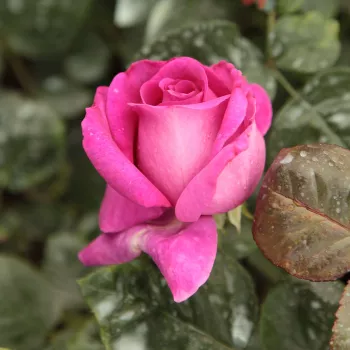
Originally selected as an exhibition hybrid tea, DELVIOLA offers long-stemmed, solitary blooms with very double, pointed flowers that hold well when cut, allowing you to bring that deep, velvety colour and perfume indoors repeatedly across the season, suiting the style-conscious urban host or home entertainer. |
| Strongly scented seating area |
With an extremely strong, garden-filling perfume, this rose is perfect near a bench or small patio where its scent can be appreciated on calm evenings, especially in compact city gardens where fragrance adds a sense of luxury without needing extra space, ideal for the fragrance-loving balcony owner. |
| Own-root long-term feature shrub |
The own-root form helps ensure longevity and stable appearance over time, as the plant regenerates from its own wood instead of unreliable grafts, so even if winter or pruning is harsher one year, it regrows true to type, reassuring the sustainability-minded family gardener. |
| Remontant summer-long display |
Its remontant habit, with a particularly abundant second flush, keeps colour coming back from early summer into autumn, so even if work or family commitments mean you miss the very first blooms, your garden still enjoys weeks of renewed display, supporting the time-poor urban professional. |
| Medium-care rose with simple routines |
Moderate disease resistance and medium maintenance needs mean you mainly deadhead and water in dry spells, with occasional plant protection if local pressure is high, making care a manageable weekend task rather than a specialist regime for the practically minded hobby gardener. |
| Partial-shade-friendly planting strip |
Suitable for partial shade, DELVIOLA copes with conditions like a London front strip that only gets sun for part of the day, yet still produces richly coloured blooms, making it a realistic choice for narrow terraces or overlooked side gardens, helpful for the space-limited townhouse owner. |
| Large container or raingarden edge |
Grown in a 40–50 litre peat-free container or at the edge of a simple raingarden bed, it partners well with free-draining substrates, coping steadily with the alternating wet spells and humid air that often follow coastal showers and strong breezes, supporting a climate-aware city gardener. |
Styling ideas
- Romantic Terrace Entrance – Plant a pair of DELVIOLA roses flanking the front steps, underplanted with soft nepeta to blur edges and highlight the lilac-pink blooms – ideal for design-conscious terrace dwellers.
- Perfumed Seating Nook – Position one rose near a small bench and weave in lavender and sage for texture and scent layers, creating an evening retreat for fragrance enthusiasts in compact gardens.
- Cutting-Garden Corner – Group three plants at 55 cm spacing with airy gypsophila to supply armfuls of vase-ready stems – perfect for home florists who want reliable, luxurious blooms.
- Container Showpiece – Grow DELVIOLA in a 40–50 litre pot with a free-draining, peat-free mix and trailing thyme at the rim – suited to balcony or courtyard owners short on planting beds.
- Chic Rain-Friendly Border – Combine this rose with Artemisia and low grasses along a gravel mulch, allowing rainwater to soak away while the blooms provide structure – a good fit for low-input, eco-aware households.
Technical cultivar profile
| Characteristic |
Data |
| Name and registration |
Hybrid tea rose; registered as DELviola, traded as Delviola / Fragrant Souvenirs d’Amour / Chartreuse de Parme; ARS exhibition name Chartreuse de Parme for show purposes. |
| Origin and breeding |
Bred by Georges Delbard, France, from ‘Yves Piaget’ × ‘Nuit d’Orient’; introduced and registered in 1996 by Georges Delbard SA, representing the Fragrant Souvenirs d’Amour collection. |
| Awards and recognition |
Celebrated for fragrance: Bagatelle Paris Fragrance Prize 1996, Madrid Gold Medal for Fragrance 1996, Baden-Baden Fragrance Prize 1996, Geneva Gold Medal 1996, RNRS Edland Fragrance Medal 1997. |
| Growth and structural characteristics |
Bushy, upright shrub reaching about 80–110 cm high and 60–90 cm wide, with dense, glossy, dark green foliage and moderate prickles; best effect at recommended planting distances for beds or specimens. |
| Flower morphology |
Very double, high-centred, pointed-budded hybrid tea flowers, usually solitary on long stems; large blooms (approx. 2.75–3.95 in) with 40+ petals, remontant with an especially abundant second flowering flush. |
| Colour data and phenology |
Lilac-pink blooms: RHS 75A outer, 75B inner; buds dark purplish-pink, opening vivid pink with violet veil, then deep velvety lilac; colour lightens slightly in strong sun yet overall retains good depth and richness. |
| Fragrance and aroma |
Extremely strong, garden-filling scent of classic tea-hybrid character; designed as a fragrance-led variety, suitable for planting where air movement carries perfume to seating, paths, windows or terrace doors. |
| Hip characteristics |
Hip set is generally sparse due to the very double flowers; when present, hips are small (around 10–14 mm), ellipsoid in shape and orange-red, adding a discreet late-season accent without dominating the plant. |
| Resistance and winter hardiness |
Moderate resistance to black spot, powdery mildew and rust; benefits from standard rose care and occasional protection; hardy to about −23 to −21 °C (USDA 6a, RHS H7, Swedish zone 3) under normal garden conditions. |
| Horticultural recommendations |
Suited to beds, specimen use, cutting and containers; plant at 50–90 cm depending on role; prefers well-drained soil, regular watering in prolonged drought and routine deadheading due to weak self-cleaning of spent blooms. |
DELVIOLA offers intensely fragrant, exhibition-quality lilac-pink blooms on a long-lived own-root shrub that settles in reliably over the years; consider it if you want enduring scent and structure with manageable care.