CHARLES DE GAULLE® – purple tea-hybrid rose - Meilland
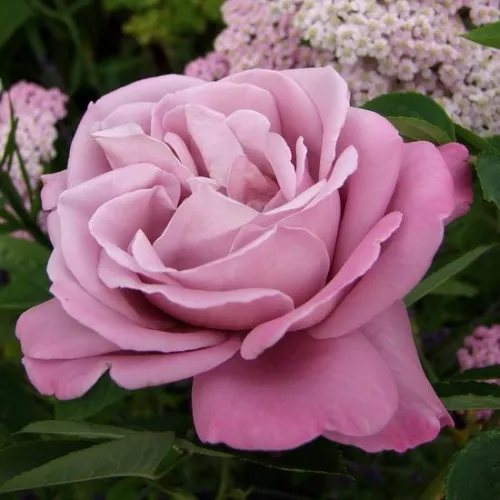
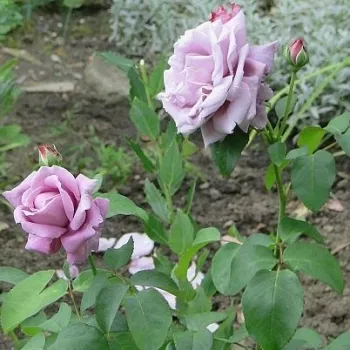
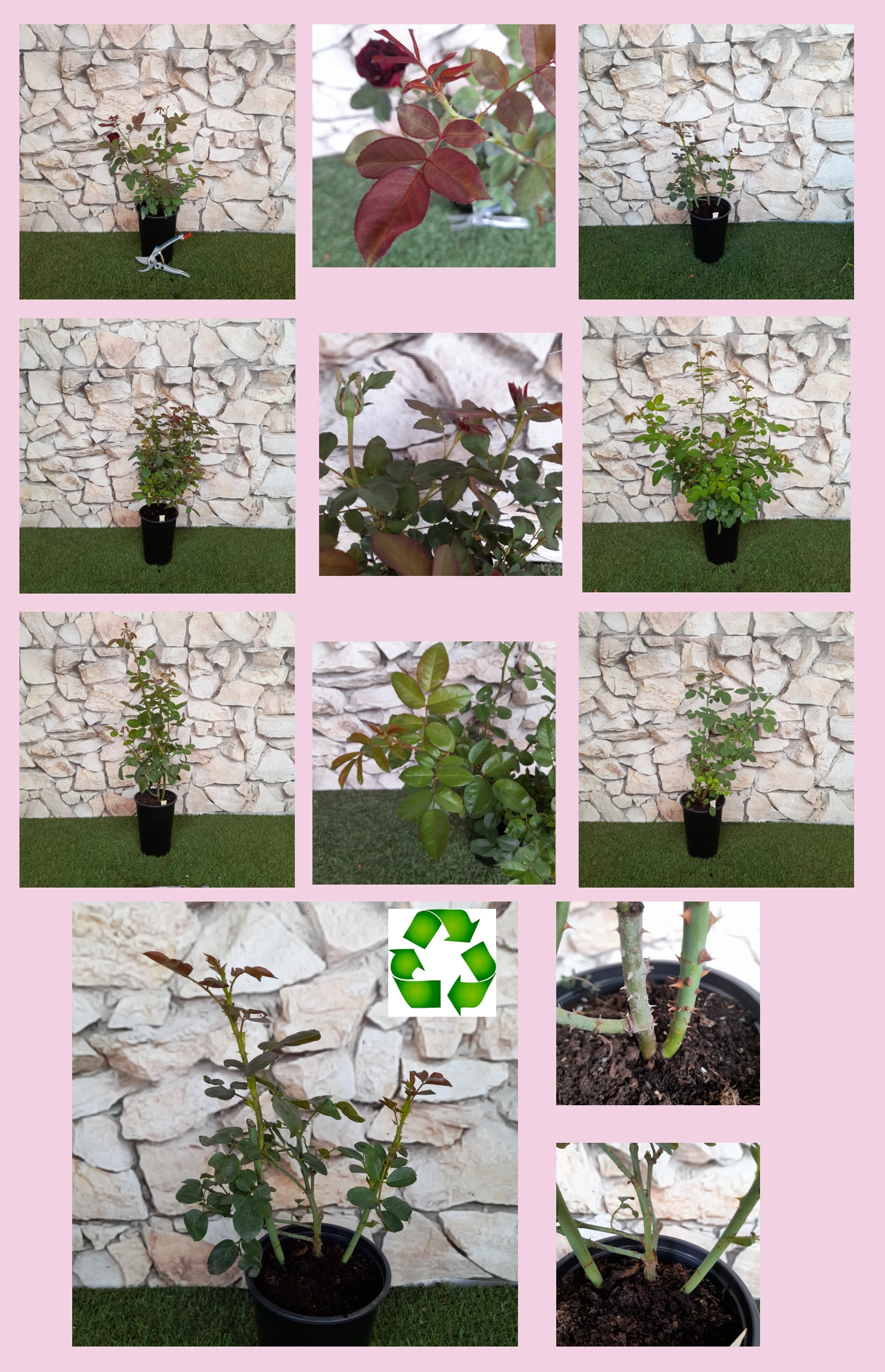
Step into a front garden that feels calm after rain, where the cool lavender-lilac blooms of CHARLES DE GAULLE® hold a lingering, room‑filling scent and upright poise. This hybrid tea brings exhibition-style blooms and a very strong fragrance into everyday family spaces, offering long, remontant flowering from summer well into autumn. Its bushy, compact habit suits London terraces and modest beds, while the almost thornless stems make cutting for the house simple and family friendly. As an own-root rose it develops steadily – roots in year one, structural shoots in year two, then full ornamental value by year three – giving lasting continuity and easier long-term care. In moisture-retentive or chalky soils it rewards thoughtful drainage with steady performance in breezy, damp conditions and helps anchor a sustainable, rainwater-wise design. Plant in a generous container or as a focal clump to create a quietly luxurious sanctuary.
Usage options
| Target area | Reasoning |
|---|
| Feature rose for a London terrace front garden |
The compact, upright bush forms a neat, vertical accent that fits narrow beds without overwhelming paving or steps, giving an ordered look from the street while still feeling lush and welcoming for urban homeowners |
| Fragrant path‑side planting near the front door |
The very strong, citrusy verbena scent concentrates along paths and entrances, so a small group delivers a “post‑rain perfume corridor” each time you pass, with minimal plants needed for busy beginners |
| Cut‑flower corner in a family back garden |
High‑centred hybrid‑tea blooms on long, almost thornless stems are straightforward to cut and arrange, turning even a modest bed into a reliable source of elegant indoor flowers for home florists |
| Own‑root long‑term focal specimen |
As an own‑root shrub it rebuilds from the base after hard pruning or weather damage, offering a longer productive life and stable shape without graft worries, ideal for those planning ahead for long‑term gardeners |
| Rainwater‑smart planting in heavier soils |
In UK clay or chalky plots it responds well where rainwater is slowed and drained rather than wasted on hard surfacing, turning challenging moisture into steady growth for sustainability‑minded owners |
| Season‑long colour anchor in a small mixed border |
Remontant flowering provides repeating waves of lavender‑mauve colour from early summer into autumn, helping a short border avoid “gaps” between other perennials and shrubs for colour‑focused gardeners |
| Low‑prickle rose for family access routes |
The almost thornless shoots reduce snagging on school coats and sleeves beside drives or narrow paths, allowing close planting without constant worry about scratches for families with children |
| Large patio container or balcony statement rose |
In a 40–50 litre or larger pot with good drainage, this bushy rose forms a dense, upright mound, making the most of limited paved space while coping with typical urban breezes and humidity for balcony and patio gardeners |
Styling ideas
- Urban calm – Underplant with soft Nepeta and low sage in a gravel‑mulched strip by the front step to enjoy the powerful scent each time you come home – ideal for fragrance‑loving terrace owners
- Girly border – Combine with pale pink anemones and airy baby’s breath for a romantic, feminine ribbon of pastel colour beside a small lawn – suited to those wanting a pretty but manageable look
- Cutting niche – Group three plants with threading Coreopsis and lavender for filler stems, creating a dedicated mini cutting patch without taking over the whole garden – perfect for home bouquet makers
- Rainwise entry – Flank a raingarden swale or permeable drive with this rose and silver‑leaf perennials, letting runoff soak into planted soil rather than hard paving – attractive for eco‑conscious front‑garden projects
- Balcony focus – Grow in a single large container with trailing thyme and low grasses to frame a small seating area, turning limited square metres into a scented evening retreat – great for compact city spaces
Technical cultivar profile
| Parameter | Data |
|---|
| Name and registration |
Hybrid tea rose, registered as MEIlanein, marketed as Charles de Gaulle® PERFUMELLA®. Exhibition hybrid tea type with high‑centred blooms; collection PERFUMELLA®, own‑root 2‑litre container format. |
| Origin and breeding |
Bred by Marie‑Louise Meilland, France, 1974, for Meilland International. Complex parentage from Sissi, Prélude, Sondermeldung and Caprice, introduced commercially after 1976; registered 1976. |
| Awards and recognition |
Highly regarded for fragrance; awarded Coupe du Parfum and Couronne de la Reine Théodolinde at Monza, plus major perfume and certificate awards in Rome, Madrid, Geneva and Belfast between 1974–1978. |
| Growth and structural characteristics |
Upright, bushy shrub reaching about 80–110 cm high and 50–70 cm wide, with dense mid‑green foliage, slightly glossy leaves and very few prickles, giving a refined appearance in smaller gardens or beds. |
| Flower morphology |
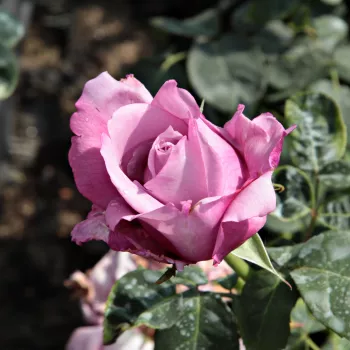
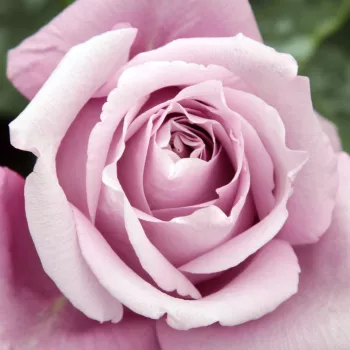
High‑centred, pointed‑bud hybrid tea form, double with 26–39 petals, typically borne singly on stems. Medium flower size around 4–7 cm, repeat‑flowering with abundant second flush in suitable conditions. |
| Colour data and phenology |
Cool lavender‑lilac with a silvery tint; buds deeper and more crimson‑mauve, opening to lilac‑mauve with sheen, then fading towards pastel lavender‑grey, especially in heat and strong sun; colour holds better in cooler spells. |
| Fragrance and aroma |
Very strong, garden‑filling perfume with a sweet, citrusy verbena character. Scent is noticeable several metres away in still air and is a key feature for path‑side and seating‑area plantings. |
| Hip characteristics |
Hips form only sparsely due to the full double flowers; where present they are small, egg‑shaped, around 11–15 mm in diameter, coloured orange‑red (RHS 40A), with limited ornamental impact in most seasons. |
| Resistance and winter hardiness |
Hardy in much of the UK, roughly USDA 7b, RHS H6, tolerating about −15 to −12 °C. Disease resistance is moderate to low, especially to rust, so regular monitoring and timely treatment or hygiene are advisable. |
| Horticultural recommendations |
Best in full sun with fertile, well‑drained soil; dislikes deep shade and waterlogging. Needs regular deadheading and disease management; recommended spacings 50–90 cm depending on hedging, bedding or specimen use. |
CHARLES DE GAULLE® brings long-season, scented hybrid-tea blooms on compact, low-prickle growth, and as an own-root rose it offers dependable structure over the years; an elegant choice if you value fragrance and form in a modest space.