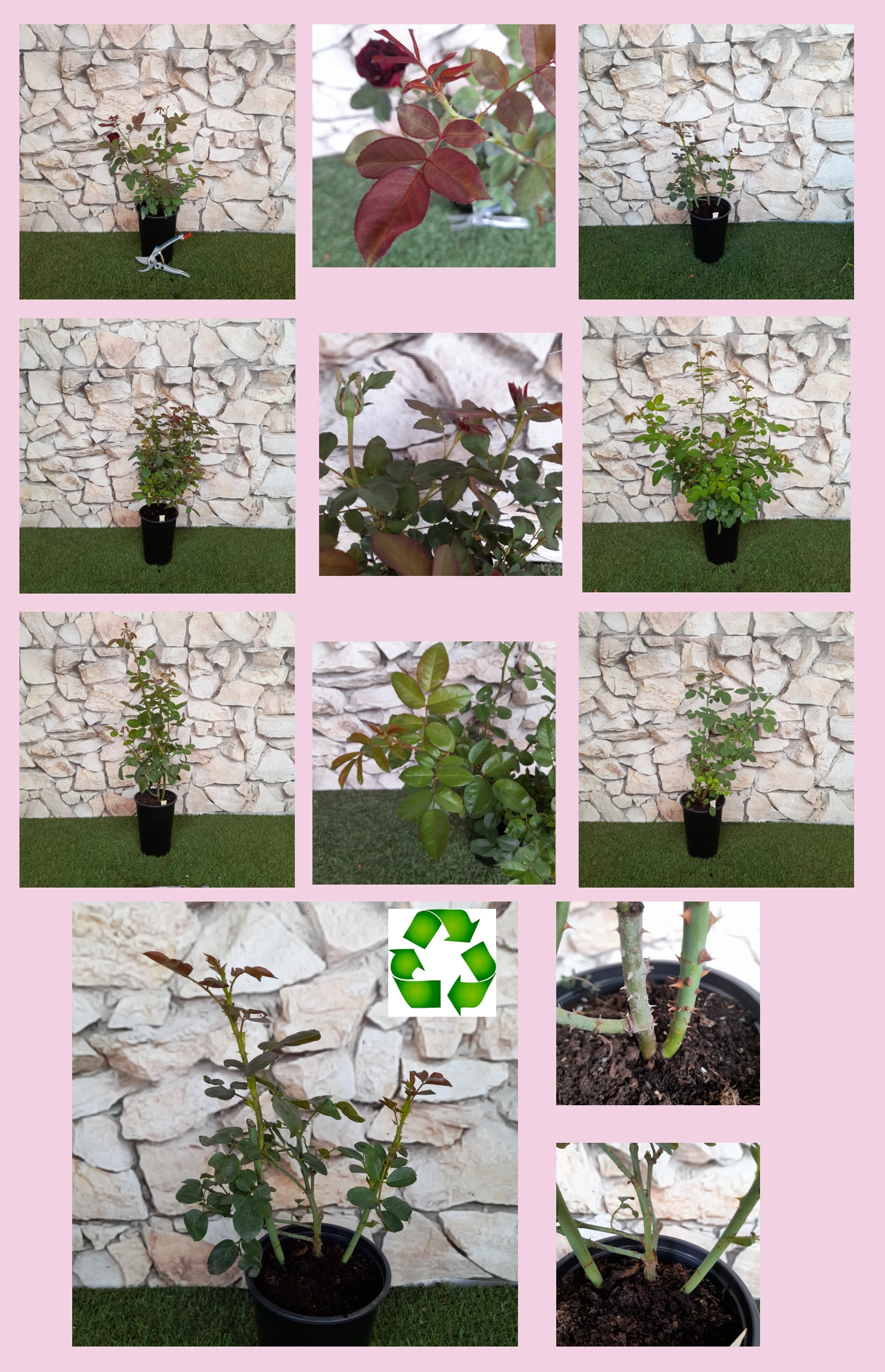
CAPRICE DE MEILLAND ® – deep pink hybrid tea rose - Meilland
Step onto your urban front path after rain and the very strong, fruity-rose fragrance of CAPRICE DE MEILLAND drifts around you, its Perfumella heritage filling even small gardens with character while coping reliably with cool, damp spells and longevity in typical British conditions. Large, high-centred blooms in a rich, deep pink colour appear on upright, bushy growth that stays neat for narrow borders and small London front gardens, while medium maintenance needs feel manageable if you prefer simple, repeatable tasks. As an own-root rose, it offers reassuring stability and long-term regeneration, quietly rebuilding itself after harsh winters or the odd pruning mistake, giving you dependable structure and flowering year after year. In its first seasons it knits in steadily – Year‑by‑year you will see roots establish, shoots strengthen and then full ornamental impact.
Usage options
| Target area |
Reasoning |
| Front garden focal point |
The tall, upright habit and XL, exhibition-style blooms create a clear visual focus beside a path or front door without taking much lateral space. Medium care is realistic for busy homeowners who still enjoy a few mindful pruning and deadheading sessions, appealing to the beginner. |
| Cutting rose for vases |
Long, straight stems and high-centred flower form mirror florist roses, while the very strong, fruity-rose perfume easily scents a room. Regular cutting encourages further flushes, so even a single bush in a small border can supply repeated bouquets for the home. |
| Rain‑resilient narrow border |
Dense, mid‑green foliage and firmly textured petals hold their appearance in showery spells, suiting front gardens where runoff and wet weather can be frequent in the UK. A sunny, well‑drained strip with access to your water butt manages rainfall thoughtfully for the urbanite. |
| Feature rose in large container |
In a 40–50 litre peat‑free container, this bushy hybrid tea forms a tidy, upright column of colour on balconies or paved front gardens. Reliable repeat flowering provides structure where planting space is scarce, giving long‑term value to the balcony‑owner. |
| Own‑root long‑term investment bed |
Grown on its own roots, the plant keeps its cultivar traits even if damaged, and can regenerate from the base after tough winters or accidental over‑pruning, building a stable, long‑lived framework that suits the patient planner. |
| Structured “girly” rose border |
The elegant, deep pink blooms and glossy foliage lend a refined, feminine mood, ideal with airy companions such as low baby’s‑breath or fine grasses. The bushy, upright habit helps keep planting lines clear in compact, design‑led spaces loved by the stylist. |
| Season‑spanning display |
Good repeat flowering with a generous second flush means the plant does not peak only once; instead, it offers waves of deep pink blooms from early summer onwards, supporting a consistently attractive outlook for the time‑pressed gardener. |
| Perfumed seating area |
The garden‑filling fragrance makes this cultivar ideal near a bench or terrace, where evening air carries the scent without needing large planting numbers, even when British weather is cool, damp and breezy, delighting any fragrance‑seeking visitor. |
Styling ideas
- Romantic Pathway – Line a short front path with CAPRICE DE MEILLAND and airy low baby’s‑breath for a soft, feminine look that still feels tidy – ideal for homeowners wanting a “girly” welcome without high maintenance.
- Balcony Column – Plant one rose in a 50‑litre peat‑free container with cascading nepeta at the base to soften the edges – perfect for urban balcony owners who want height, scent and structure in limited space.
- Evening Perfume – Place near a small bench with lavender and sage for textured foliage and scent layers – suited to busy people who mainly enjoy their garden in the evenings and value strong fragrance.
- Elegant Specimen – Grow as a solitary feature in a narrow front bed with fine grasses like Stipa tenuissima ‘Pony Tails’ for movement – for design‑conscious gardeners seeking a single, sculptural rose.
- Cottage‑Chic Border – Mix with calamintha and low gypsophila to echo florists’ bouquets in the ground – attractive to beginners who love cut‑flower style but prefer a permanent border rather than annuals.
Technical cultivar profile
| Characteristic |
Data |
| Name and registration |
Hybrid tea rose, registered as MEIsionver, marketed as Caprice de Meilland ® Perfumella®; ARS exhibition name ‘Caprice de Meilland’, premium gold quality, exhibition tea hybrid and cut‑flower type. |
| Origin and breeding |
Bred by Alain Antoine Meilland, Meilland International, France, from (“Tino Rossi” × “Rendez‑Vous”) × “Sonia”; bred and introduced in 1997, continuing the Perfumella® scented cut‑rose line. |
| Awards and recognition |
Highly decorated perfume rose: multiple 1997 fragrance awards including Bagatelle Coupe du Parfum, Nantes Prix du Parfum, Le Roeulx prizes, Rome Gold Medal and Prix du Parfum, plus Hamilton Rose of the Year. |
| Growth and structural characteristics |
Bushy, upright plant 85–115 cm high and 40–60 cm wide, with dense, slightly glossy mid‑green foliage and moderate prickles; forms a compact, vertical outline suitable for borders and containers. |
| Flower morphology |
Large, high‑centred, pointed buds opening to double blooms with 26–39 petals, solitary on stems; classic cut‑rose form with good repeat flowering and a plentiful second flush in suitable conditions. |
| Colour data and phenology |
Deep rose‑pink, RHS 55B outer and 55A inner petals; buds dark, almost reddish‑pink, opening to glossy, vivid deep pink that fades only slightly at the edges while remaining essentially pink to fall of petals. |
| Fragrance and aroma |
Very strong, garden‑filling scent with fruity and classic rosy notes; bred as part of a perfume‑focused collection, the fragrance is noticeable at a distance and ideal for seating areas or cutting for the house. |
| Hip characteristics |
Occasionally bears small, spherical red hips 8–12 mm in diameter after successful pollination, adding modest late‑season interest, though not a heavy or primary hip‑producing cultivar in most gardens. |
| Resistance and winter hardiness |
Rated H7, hardy to about −21 to −18 °C, USDA 6b; medium resistance to powdery mildew, black spot and rust, best performance in sunny, well‑aerated sites with regular observation and timely basic care. |
| Horticultural recommendations |
Prefers full sun, fertile, well‑drained soil; plant 45 cm apart in borders or use 75 cm spacing for specimens. Suits 40–50 litre containers; medium maintenance with periodic pest and disease checks advised. |
CAPRICE DE MEILLAND offers richly scented deep pink blooms, a compact upright habit and dependable repeat flowering on a resilient own‑root plant; a thoughtful choice if you want lasting fragrance and structure with moderate care.