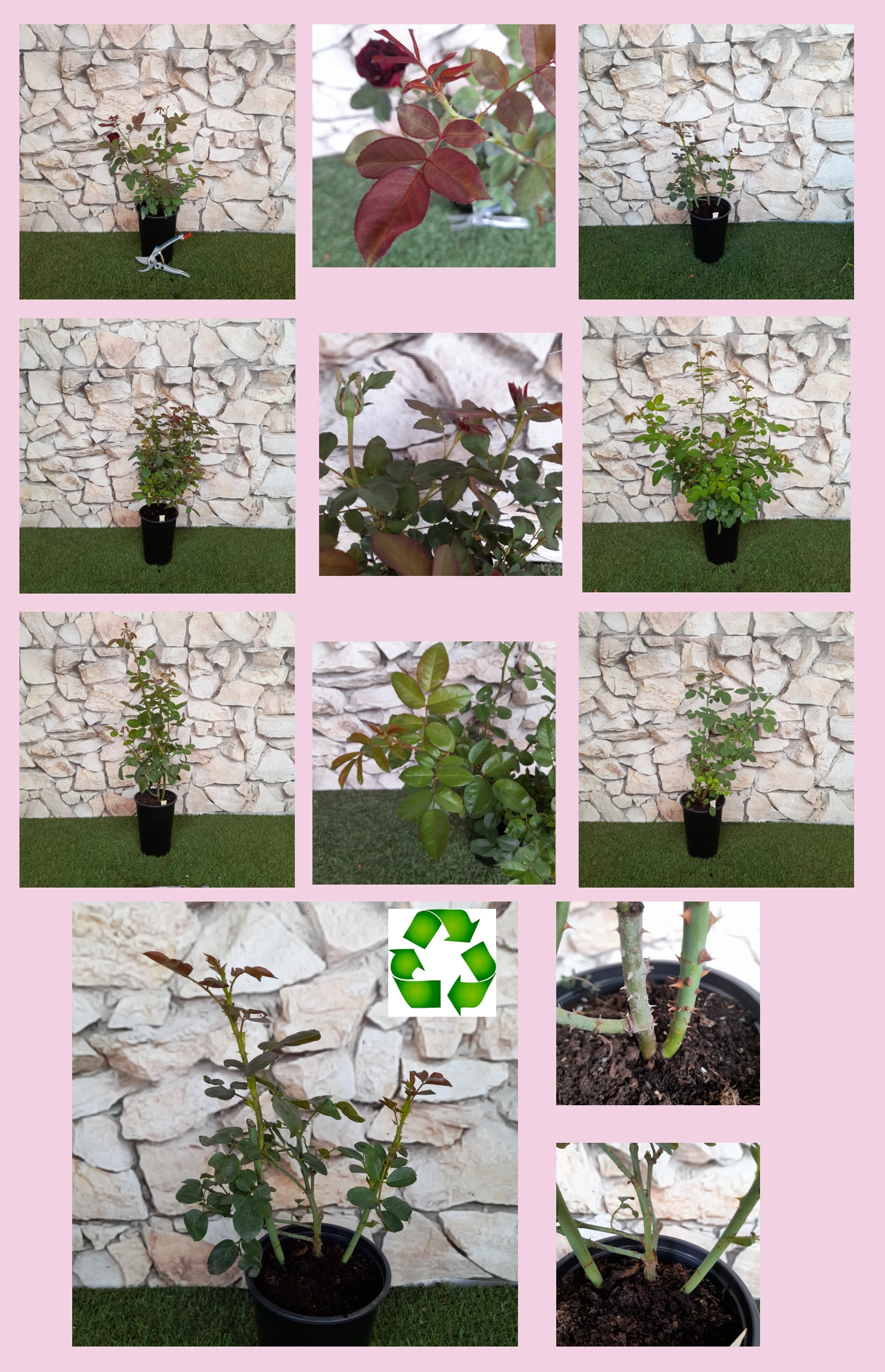
CANDY STRIPE – pink-white hybrid tea rose – McCummings
Step out to a front garden that feels quietly balanced, where every tall, elegant bloom of Candy Stripe reflects the soft rhythm of a London street after rain. This hybrid tea rose is bred for reliable flowering with strong, repeat flushes, and its fully double, high‑centred blooms hold a striking pink‑and‑cream pattern that stays clean in changeable weather. Own‑root planting means long‑term stability, helping the shrub regenerate if stems are damaged and supporting a naturally longer lifespan. With moderate, manageable care and good disease resistance, it copes well with blustery, wet spells by the house where rain and wind test many roses, settling in over several seasons as roots, then shoots, then full ornamental value gradually develop.
Usage options
| Target area |
Reasoning |
| Terraced-house front garden focal point |
The upright habit and large, high-centred flowers give a classic focal point in a narrow London front garden without overwhelming the space. Own-root planting supports a long-lived structure that can be lightly refreshed rather than replaced, ideal for a busy homeowner. |
| Cut-flower rose for indoor vases |
Originally selected as an exhibition hybrid tea, Candy Stripe produces long, straight stems with substantial, double blooms that hold colour and form well in the vase. Regular cutting encourages remontant flowering through the season, suiting the creative hobby-gardener. |
| Rainwater-friendly city planting bed |
Planted into improved clay or urban soil with good drainage, the robust root system develops steadily and copes with seasonal downpours, making it useful where rain is often channelled off hard surfaces towards planting strips, supporting the sustainable city-gardener. |
| Pollinator-friendly mixed border |
The full yet open-centred flowers expose stamens that bees can easily reach, pairing well with airy perennials to create movement and life. Repeated flushes keep pollen available from early summer into autumn for the wildlife-conscious beginner. |
| Low-maintenance feature in small family garden |
Moderate disease resistance and a tidy, upright shape mean routine deadheading and occasional checks are usually enough, rather than complex spraying schedules. The plant’s own-root vigour supports recovery from everyday knocks in a busy space used by the whole family. |
| Statement rose in large containers |
In a minimum 40–50 litre peat-free container with regular watering, Candy Stripe’s compact footprint and vertical habit deliver impact on steps, balconies or paved fronts. Sturdy flowering stems stay presentable between flushes, appealing to the space-conscious urbanite. |
| Long-term structural rose for established plots |
Own-root stock builds a durable framework over time, so if older stems tire, strong new shoots grow from the base without the risk of rootstock takeover. This underpins a planting that can be gently renewed rather than replaced, reassuring the sustainability-minded planner. |
| Colour-highlight accent in naturalistic schemes |
The striped pink-and-cream flowers draw the eye among looser grasses and perennials, while the shrub’s moderate height slots neatly into layered planting that must endure wind and frequent rain without collapsing, giving reliable structure for the design-aware gardener. |
Styling ideas
- Striped-Showcase – Plant Candy Stripe as a single specimen by the front gate, underplanted with Erigeron karvinskianus to blur the base – ideal for style-conscious terrace owners.
- Soft-Contrast – Combine with Alchemilla mollis and low daylilies to cushion the stems and echo the creamy stripes – suited to relaxed family gardens.
- Pollinator-Ribbon – Thread Candy Stripe through a narrow border with lavender, sage and nepeta for a bee-friendly, fragrant run along a path – perfect for wildlife-focused beginners.
- Container-Focus – Grow one plant in a 50-litre pot with trailing thyme and sempervivums, creating a smart, low-care focal point by the front door – good for busy urban households.
- Evening-Calm – Pair Candy Stripe with dusky ornamental grasses and pale pink or white perennials to soften its stripes in the evening light – appealing to contemplative gardeners.
Technical cultivar profile
| Aspect |
Data |
| Name and registration |
Hybrid tea rose marketed as Candy Stripe – Hybrid tea rose – McCummings; ARS exhibition name Candy Stripe; part of the Hybrid tea rose commercial group and suited to cut-flower and garden use. |
| Origin and breeding |
Sport of the classic hybrid tea ‘Pink Peace’, discovered by Edward McCummings in the United States; introduced and distributed by Conard-Pyle in 1963, giving it a long, proven garden track record. |
| Growth and structural characteristics |
Upright, bushy habit, around 80–110 cm tall and 60–85 cm wide, with moderately dense, matte dark green foliage and moderate prickliness; forms a tidy shrub suited to beds, fronts of borders and feature planting. |
| Flower morphology |
Large, double, high-centred hybrid tea blooms with 26–39 petals on mainly solitary stems; pointed buds open in classic exhibition form, repeating strongly in a remontant pattern across the main growing season. |
| Colour data and phenology |
Mid-pink petals irregularly streaked with cream-white; dark pink buds with pale streaks open to vivid contrast that softens as blooms age. Cooler spells intensify the striping, while strong sun gently mutes the pattern. |
| Fragrance and aroma |
Strongly scented hybrid tea with a long-lasting perfume that carries well near paths and doors; fragrance details are not formally characterised but are prominent enough to be noticed in both garden and cut stems. |
| Hip characteristics |
Produces numerous small, spherical hips about 8–12 mm across, colouring to an orange-red tone with decorative value into autumn; hips may be left for seasonal interest or removed to prioritise repeat flowering. |
| Resistance and winter hardiness |
Hardy to approximately –21 to –18 °C (RHS H7; USDA 6b; Swedish zone 3). Shows good resistance to black spot and powdery mildew, with moderate vulnerability to rust in humid seasons, benefiting from basic hygiene. |
| Horticultural recommendations |
Best in sunny sites with fertile, well-drained soil; moderate watering in dry spells. Ideal spacing 40–75 cm depending on use, with square or hexagonal planting for groups; deadheading improves repeat and appearance. |
CANDY STRIPE brings long-season flowering, strong scent and enduring structure on practical own-root stock, making it a thoughtful choice for gardeners seeking lasting character from a single rose.